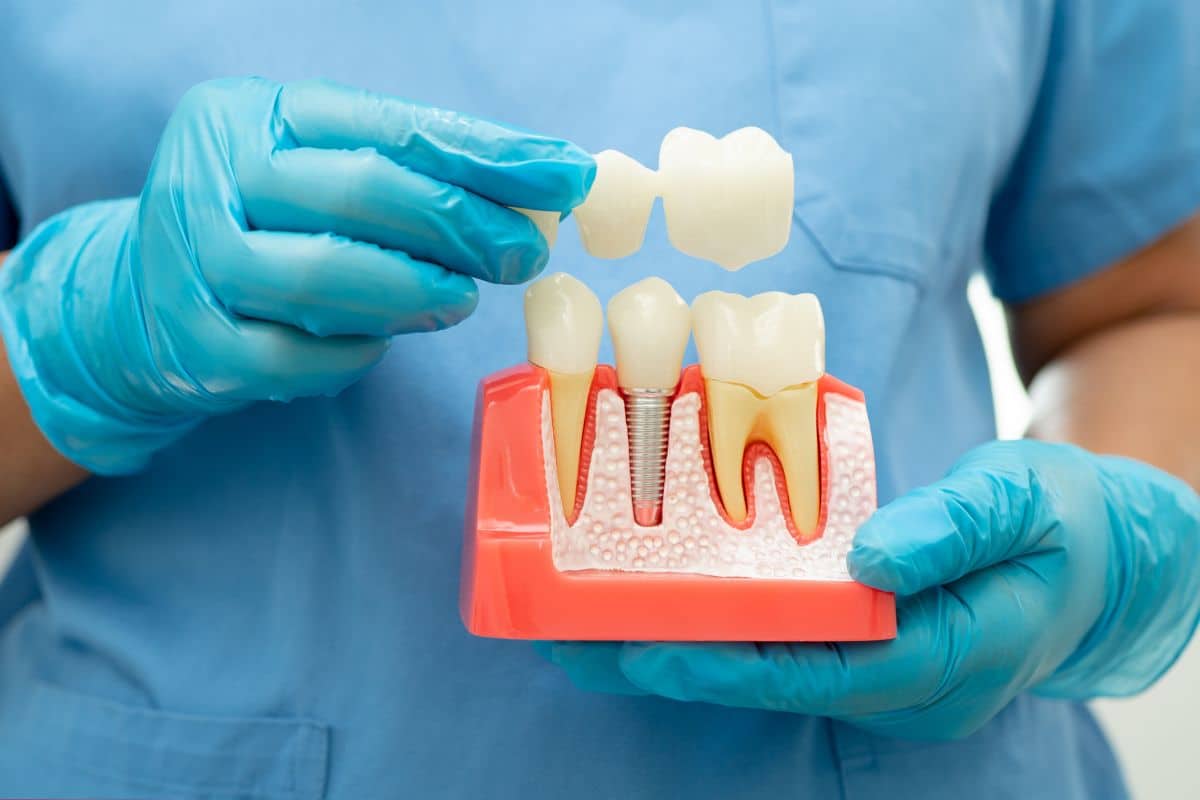
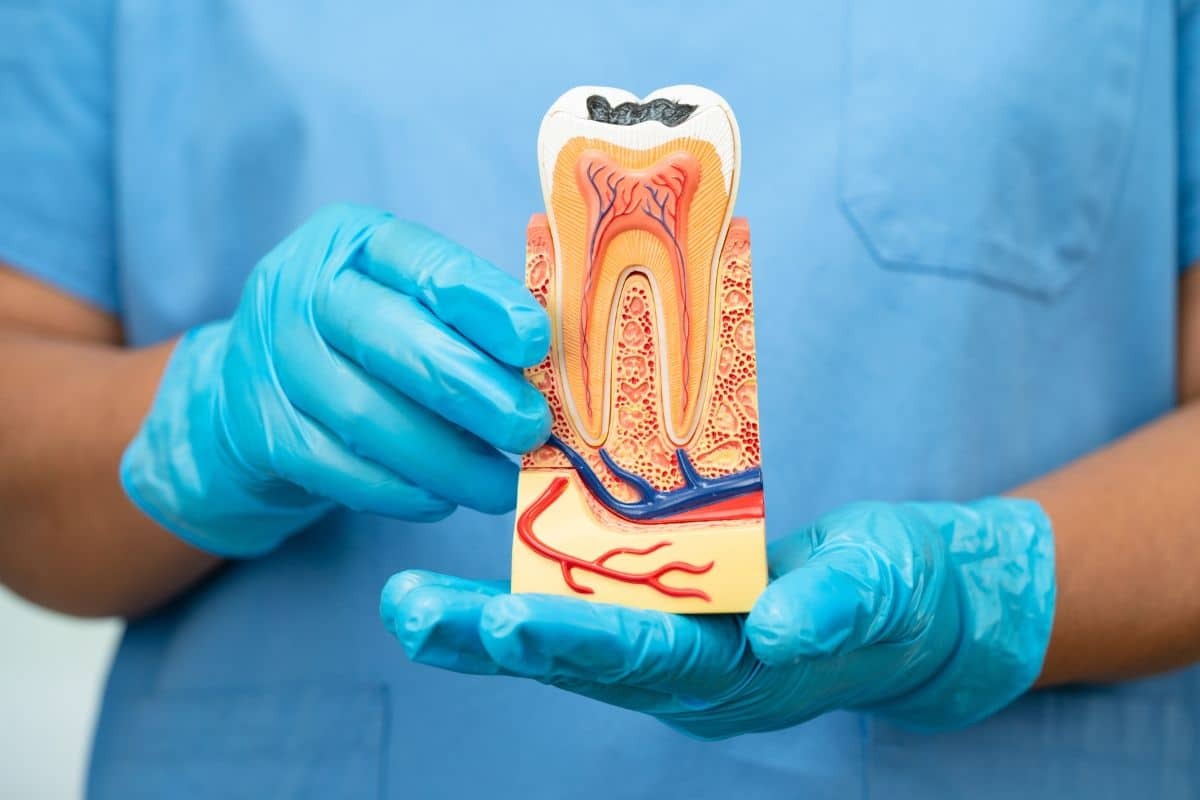
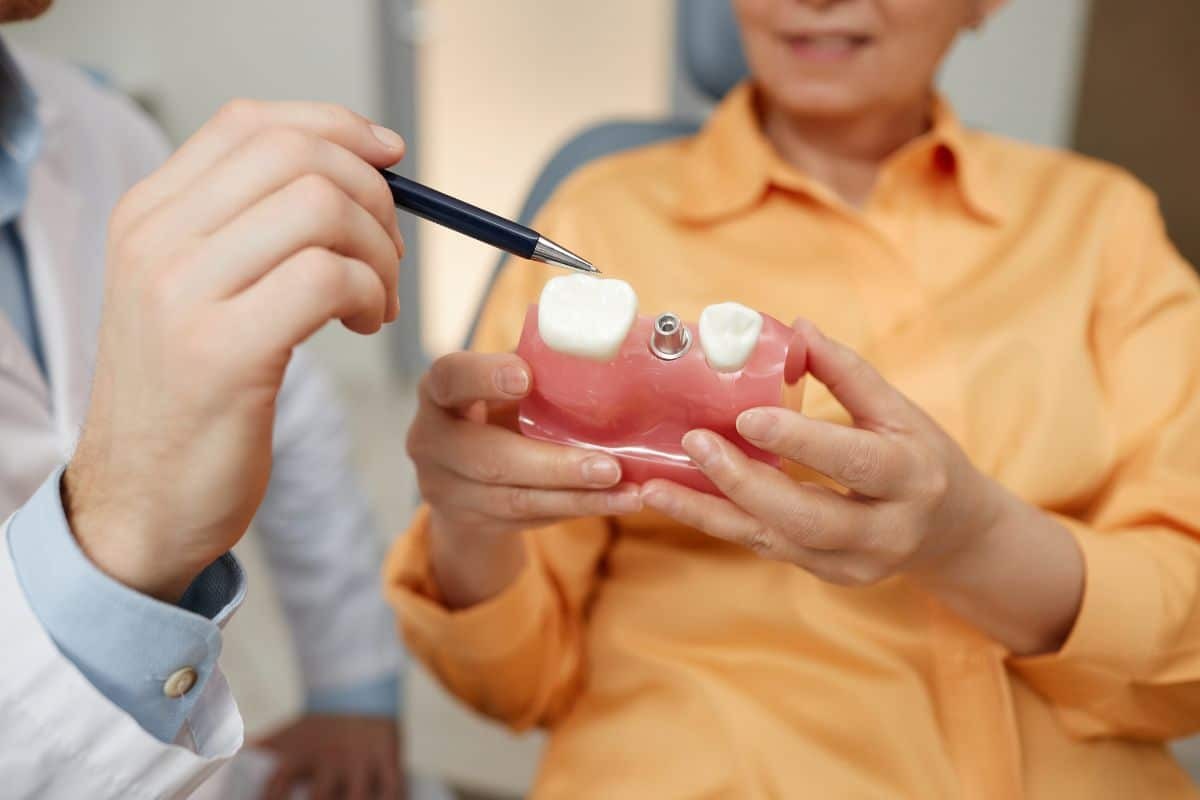
“Are dental implants safe?” – Yes, dental implants are a safe and proven method for replacing missing teeth. This article covers how they work, who qualifies, and the possible side effects of dental implant procedures.
At Dr. Bob’s Dental Care – Niagara Falls, our expert dentists in Niagara Falls, NY, often recommend dental implants for patients needing permanent tooth replacement. These implants fuse with the jawbone, offering strong, natural-looking results. However, factors like smoking, bone loss, or chronic illness may affect your eligibility for an implant tooth.
Though rare, side effects can include infection or implant failure. With proper care and expert placement, dental implants are a safe, long-term solution for most patients.
Are Dental Implants Safe?
For many patients wondering, “Is dental implant safe?“, they must know that dental implants are a safe and effective solution to restore missing teeth. They’re often recommended by dentists in Niagara Falls, NY, for those in good general and oral health. But like any surgical procedure, there are potential risks to consider.
All tooth implants must be reviewed and approved by the FDA to ensure they meet strict international safety standards. This covers every component used in a dental implant — from the titanium post to the crown — and is tested for safety before being cleared for use by dentists in Niagara Falls and across the country.
The full implant tooth process typically spans several months and involves surgical placement, healing time, and multiple dental visits. Because it’s a surgical procedure, many patients ask, “Are implants painful?” While mild discomfort is normal during the recovery phase, most report that pain is manageable with prescribed medication and subsides within days.
Still, there are implants teeth side effects to be aware of, including:
- Surgical complications (nerve damage, sinus issues, or trauma to nearby teeth)
- Infection at the implant site
- Loose or poorly integrated implants
- Gum sensitivity or prolonged healing
- Challenges with cleaning around the implant
- Long-term discomfort or chewing difficulty may occur if the crown is improperly placed
Certain medical or lifestyle factors can increase the risk of complications. You may not be a suitable candidate for dental implants if you:
- Smoke or use tobacco
- Have untreated gum disease
- Have diabetes, autoimmune conditions, or osteoporosis
- Take medications affecting calcium or bone health
- Are undergoing cancer treatment
The dentists in Niagara Falls, NY, conduct thorough evaluations to ensure teeth implants are a safe option for each patient. If you’re concerned about the risks or wondering if you’re a suitable candidate, a personalized consultation is the next best step.
Are Dental Implants Suitable for the Elderly?
Yes, dental implants are safe for older adults and are commonly used to restore missing teeth in patients aged 60 and above. Age alone isn’t a barrier — what matters most is your overall health and bone condition.
Many patients benefit from teeth implants later in life, but there are a few things to consider when it comes to dental implants for seniors:
- Healing may take longer
- Chronic conditions like diabetes or osteoporosis can affect recovery
- Bone loss may require grafting before placing an implant tooth
- Certain medications may interfere with bone integration
Still, dental implants in the elderly can deliver long-lasting, natural-looking results when proper care and maintenance are followed. If you’re healthy and have sufficient bone support, you may be an excellent candidate for tooth implants. Always consult your dentist to determine the best course of action.
Potential Risks and Issues with Dental Implants
Dental implants are one of the most advanced and reliable solutions for replacing missing teeth. With a high dental implant success rate, they’re trusted by patients and professionals alike. However, like any surgical procedure, they do carry some risks. Understanding potential complications can help you make a more informed decision.
Here are some common issues and side effects of implants to consider:
1. Implant Failure or Poor Integration
The most common complication is when the implant tooth fails to fuse with the jawbone properly. This process, known as osseointegration, is crucial for stability. A failed implant may feel loose or painful and may not support chewing or speaking effectively.
- Cause: Inadequate bone support, smoking, or certain medical conditions
- Solution: The bad implant can usually be removed, and a new implant may be placed after proper healing.
2. Peri-Implantitis
This is an infection that affects the gum and bone around the implant, similar to gum disease. It can lead to bone loss and implant failure if untreated.
- Symptoms: Swelling, bleeding, discomfort, or a loose implant
- Prevention: Good oral hygiene, regular dental checkups, and quitting smoking significantly reduce the risk.
3. Nerve Damage
Improper placement of the implant can lead to nerve irritation, especially in the lower jaw.
- Symptoms: Tingling, numbness, or pain in the lips, gums, or chin
- Risk Factor: Incorrect sizing or positioning
- Are implants painful? Mild discomfort is normal post-surgery, but persistent pain or numbness should be evaluated immediately.
4. Pre-existing Gum Disease
Untreated periodontal disease can compromise your implant’s success. Gum infections can damage the surrounding tissue and bone, making it harder for dental implants to stay secure.
- Solution: Gum disease should be treated before starting implant therapy to increase the chances of success.
5. Bone Loss or Poor Bone Quality
Adequate bone density is vital for a successful implant. If the jawbone is too weak, it may not support the implant tooth properly, leading to failure or misalignment.
- Treatment Options: Bone grafting may be necessary before implant placement.
6. Bad Implant Placement
When implants are not positioned correctly, the final restoration may look unnatural or feel uncomfortable.
- Result: Misaligned bite, difficulty chewing, and aesthetic concerns
- Fix: Correction may require implant removal and re-placement in the proper position.
7. Health Conditions and Medications
Chronic conditions like diabetes or medications that affect bone health can interfere with healing and increase the risk of implant failure.
- Consultation is key: A thorough evaluation will help determine your suitability for dental implants.
8. Long-Term Side Effects of Dental Implants
While rare, some patients may experience issues long after the procedure, including:
- Gum recession around the implant
- Ongoing inflammation or discomfort
- Bite misalignment occurs if the jawbone changes shape over time.
Are Dental Implants Right for You?
Dental implants are a safe and long-term solution for restoring missing teeth when placed by an experienced dentist in Niagara Falls, NY. While most patients enjoy successful results, being informed about the potential side effects of dental implants and your personal risk factors is essential. If you’re considering teeth implants or an implant tooth, Dr. Bob’s Dental Care provides expert care tailored to your needs.
Request an appointment to find out if dental implants are right for you.
Visit Dr. Bob’s Dental Care at Locations That Work for You
Dr. Bob’s Dental Care proudly serves patients in other locations: Amherst, Cheektowaga, and North Buffalo. Choose the location that’s most convenient for you and receive expert care from a trusted team of dental professionals.
FAQs
Q. Can Anything Go Wrong with Dental Implants?
A: The article above highlights all the significant potential risks that might occur after you get a dental implant. These range from implant failure to other long-term side effects of dental implants.
Q. Can Your Body Reject Dental Implants Years Later?
A: Implant rejection can occur early from infection or poor bone fusion, or later due to bone loss, health issues, or prolonged stress on the implant.
Q. Is there an Alternative to Dental Implants?
A: Yes, alternatives to dental implants include bridges, dentures, and snap-on dentures—each varying in cost, durability, and invasiveness to suit different patient needs.