Yes — teeth whitening can damage gums, but typically only when performed improperly or without professional dental supervision.
As a dentist, we believe your smile can boost your confidence, but unsupervised cosmetic dental treatments may compromise your oral health. Many patients are unaware that high-concentration bleaching agents such as hydrogen peroxide or carbamide peroxide, commonly found in over-the-counter whitening kits, can irritate the gingival tissues if they come into contact with the gums. This may lead to inflammation, soft tissue sensitivity, or even minor chemical burns.
Gum health should never be sacrificed for smile enhancement.
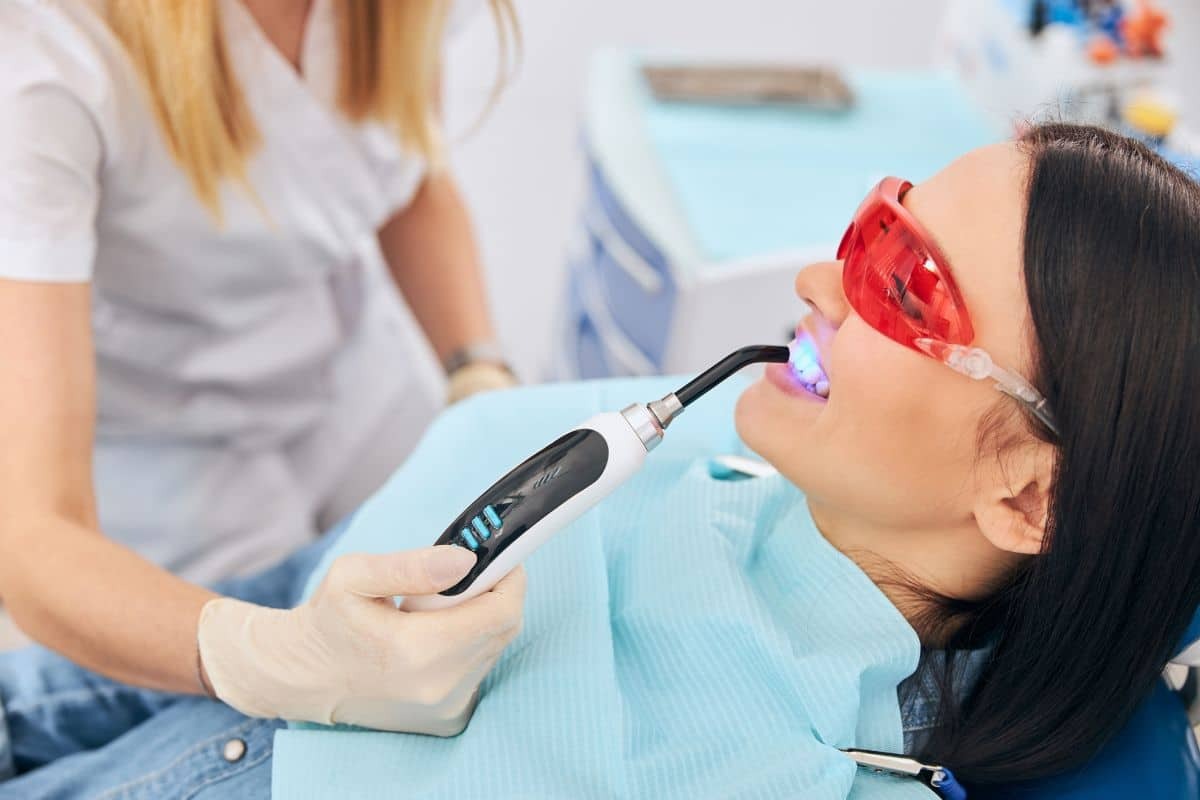
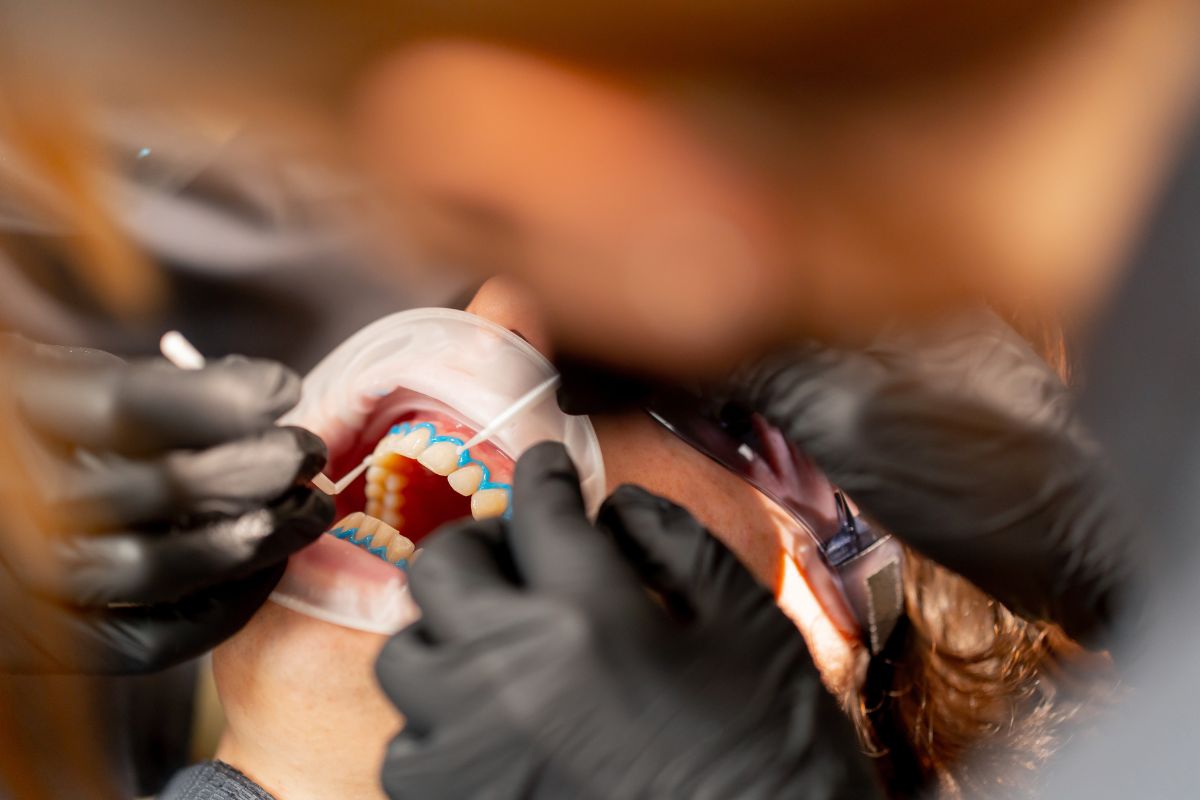
Professional teeth whitening offered by our dentist is performed using clinically approved techniques, customized trays, and protective gingival barriers. Our in-office whitening treatments are carefully monitored to minimize gum irritation while delivering safe, effective, and long-lasting cosmetic results.
What Leads to Burned Gums From Teeth Whitening?
You’re not alone if you’ve ever noticed burns on your gums from teeth whitening. Burned gums from teeth whitening are often caused by hydrogen peroxide, a common ingredient in whitening gels and strips. While this bleaching agent effectively removes stains, it can irritate or even cause a chemical burn on gums if it directly touches soft tissue.
Even though most whitening products are safe when used correctly, improper application or overuse can lead to discomfort. Signs of a teeth whitening burn on gums may include white patches on the gum tissue, inflammation, or a stinging sensation during or after treatment. The affected area may sometimes feel sore or peel slightly, similar to a mild sunburn.
On the other hand, whitening toothpaste usually poses a much lower risk. Since it typically contains minimal or no bleaching agents, it’s less likely to irritate the teeth-whitening gums area – unless you’re brushing too hard.
To protect your oral health, follow directions closely and consider having your whitening done under professional supervision. Taking the proper precautions can help you avoid burned gums and enjoy a brighter smile safely.
How To Prevent and Protect Gum Burns From Teeth Whitening?
Here’s how you can avoid issues like a teeth whitening gum burn or a painful chemical burn on gums:
Consult Your Dentist First
Before starting any at-home whitening treatment, it’s best to check in with your dentist. If you’ve experienced sensitivity or had your teeth whitening turn gums white in the past, a professional can guide you toward gentler products and safer methods.
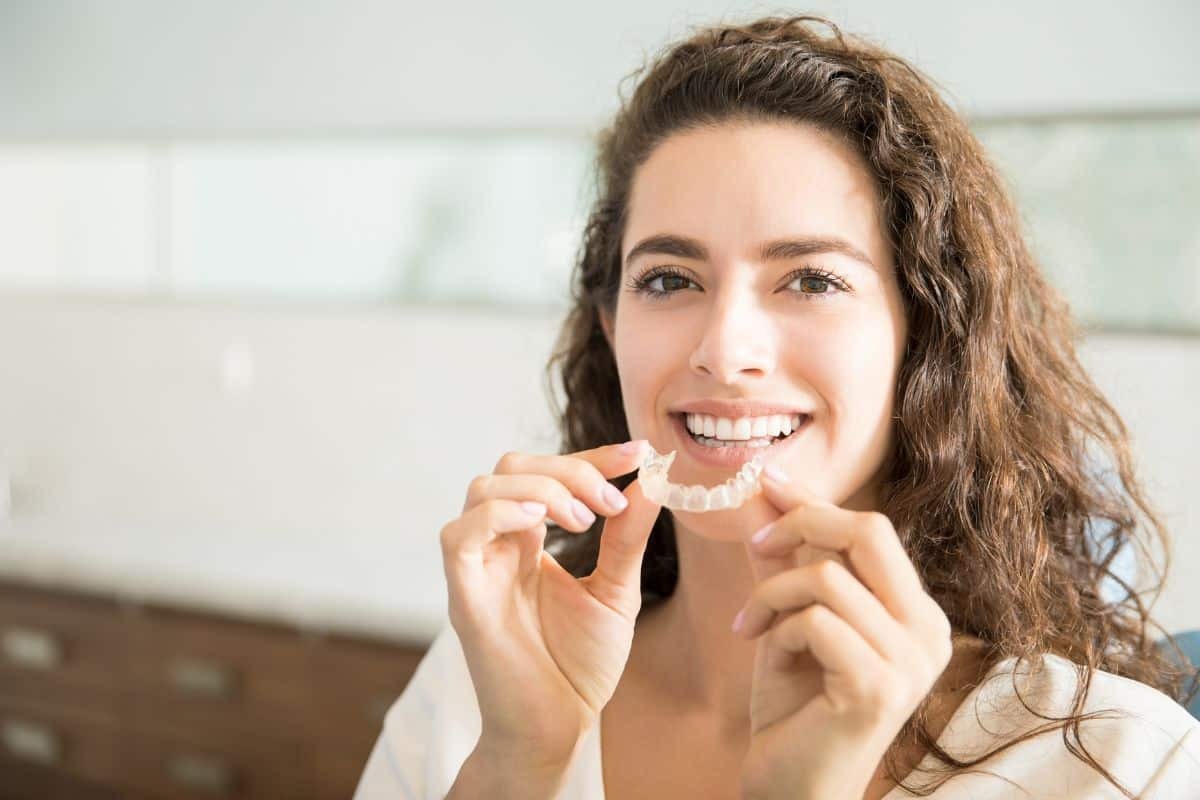
Use a Custom-Fit Whitening Tray
One common cause of a teeth whitening burn on gums is whitening gel leaking out of trays and coming in contact with soft tissue. A custom-fit tray helps keep the gel where it belongs—on your teeth, not your gums.
Switch to Toothpaste for Sensitive Teeth
A toothpaste formulated for sensitivity can help reduce irritation and inflammation in the teeth-whitening gum area. This is especially helpful if you’re already prone to gum tenderness.
Cut Back on Acidic Foods and Beverages
Acidic items like citrus fruits, soda, coffee, and wine can make your gums more reactive. Reducing your intake can lower the risk of discomfort during whitening treatments.
Follow Product Instructions Exactly
Misuse is a leading cause of teeth whitening gum burn. Whether you’re using strips, pens, or trays, carefully read and follow the manufacturer’s directions. Leaving whitening agents on too long or applying them improperly increases the risk of irritation.
Keep Whitening Gel Off Your Gums
When applying the gel, be sure it stays on your teeth only. Wipe away any excess product from your gums immediately to avoid a chemical burn on your gums or the dreaded white patches some people report after whitening.
Don’t Overdo It
Using whitening products too frequently can lead to enamel erosion, heightened sensitivity, and worse gum irritation. Give your teeth time to recover between treatments to prevent gum burned from whitening teeth.
How to Treat Burned Gums From Teeth Whitening?
If you’ve experienced a chemical burn on your gums from whitening treatment, you’re likely dealing with sore gums, discomfort, or visible irritation. Whether it’s a mild teeth whitening gum burn, a chemical burn on gums, or gums white after teeth whitening, these symptoms can be alarming – but they’re often temporary and manageable with the right care. Here are four soothing remedies to help calm irritated gums and reduce gum inflammation:
1. Alternate Warm and Cold Compresses
Switching between warm and cold compresses can provide immediate relief for gum chemical burn from whitening treatment.
- Warm Compress: Use warm (not hot) water to soak a clean cloth, then gently press it against the outside of your cheek near the affected area.
- Cold Compress: Wrap a few ice cubes in a cloth and apply to the same area to numb discomfort and reduce swelling caused by the teeth whitening burn on gums.
This method is especially helpful when inflammation is paired with mild throbbing or tenderness.
2. Rinse with Salt Water
A saltwater rinse is a gentle and natural way to combat gum inflammation and support healing after a teeth whitening gum burn.
Mix ½ teaspoon of salt into a glass of warm water and swish it around your mouth for 30 seconds before spitting it out. This rinse helps reduce bacteria and soothes irritated gums without further aggravating the sensitive tissue.
3. Apply a Tea Bag Compress
Certain teas—like black, green, or chamomile—contain tannins and anti-inflammatory properties that can ease the discomfort of sore gums.
Steep the tea bag in hot water for several minutes, let it cool, and then place it on the affected gum area. This simple remedy is ideal for calming tender or swollen teeth and gums.
4. Use a Soothing Herbal Paste
If your teeth whitening turned gums white or caused a chemical burn on gums, a homemade herbal paste may bring relief.
Mix powdered turmeric or clove with a few drops of warm water to create a paste.
- Turmeric contains curcumin, known for its anti-inflammatory effects.
- Clove has natural numbing effects to ease pain caused by irritated gums.
Apply the paste gently to the sore area, leave it on for a few minutes, then rinse thoroughly. Avoid swallowing the mixture.
While these remedies can offer comfort, ongoing or severe teeth-whitening gum burns should be evaluated by a dental professional. If your gums burned from whitening teeth don’t improve or if your teeth-whitening gums continue to feel sore, consult your dentist to ensure proper healing and prevent complications.
Whiten Safely, Protect Your Smile
Teeth whitening can transform your smile, but when done incorrectly, it may lead to gum irritation, chemical burns, or teeth whitening turned gums white. From teeth whitening gum burn to inflamed gums, these side effects are preventable with the right care and professional guidance.
At Dr. Bob’s Dental Care, your trusted dentist, we offer safe, expertly supervised teeth whitening to protect your gums and deliver lasting results.
Book a whitening appointment today—and brighten your smile with confidence!
FAQs
Q. Can Teeth Whitening Cause Gums to Recede?
A: Not when done professionally. Gum recession can occur if whitening is done incorrectly, especially at salons or without dental supervision.
Q. How Can I Whiten My Teeth Without Damaging My Gums?
A: Teeth whitening breaks down deep stains for a brighter smile. However, overuse can lead to sensitivity and gum irritation. Custom trays and in-office treatments offer the safest, most effective results.
Q. How Long Does it take for Gums to Heal From Whitening?
A: Mild gum irritation from whitening typically heals within a few days after stopping treatment. Saltwater rinses and OTC pain relievers can ease discomfort.
Q. Can Whitening Strips Damage Gums?
A: Yes, whitening strips can irritate gums if they touch the soft tissue or are overused. Apply carefully and follow directions to avoid damage.
Q. How to Heal Chemical Burn on Gums?
A: Rinse with salt water, avoid irritants, and use oral gel for relief. Burns usually heal in a week; see a dentist in Amherst if they don’t improve.