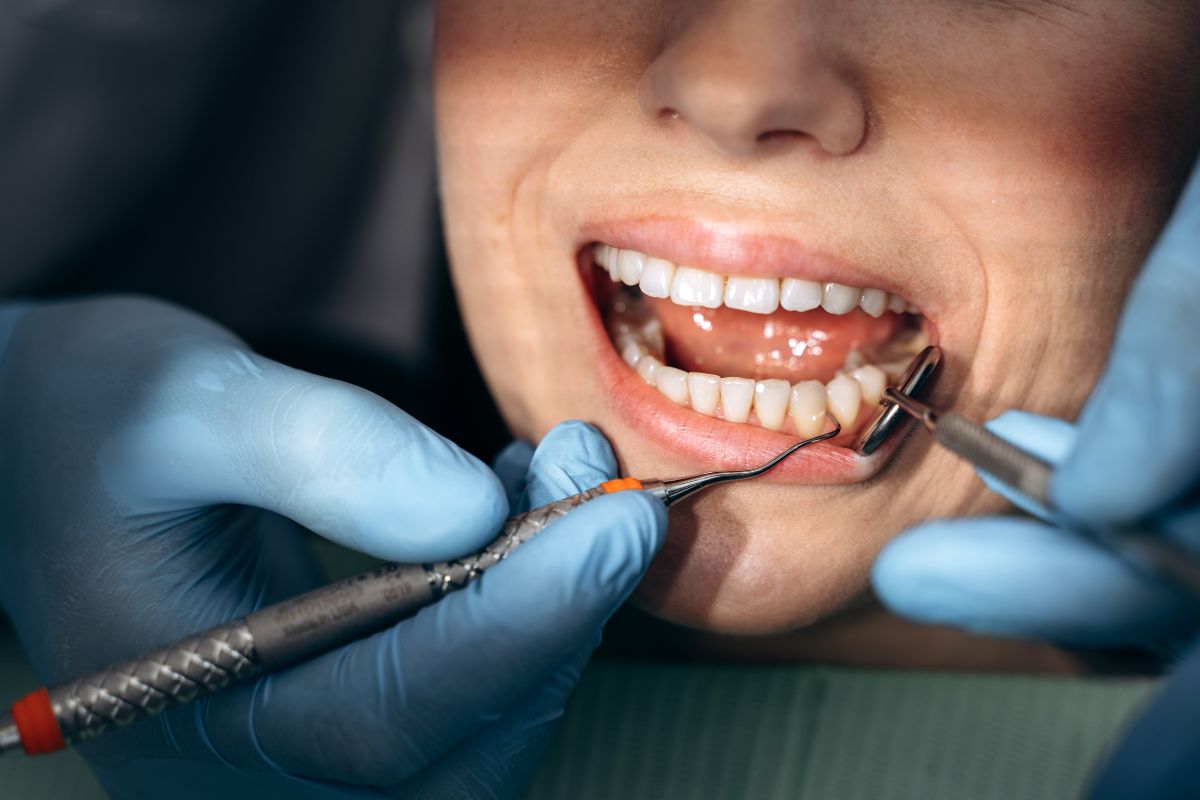
A small crack may look harmless — but inside your mouth, it’s a ticking clock.
Many people notice a tiny line or feel a sharp sensation when biting and assume it’s nothing serious. In reality, even minor cracks in teeth can compromise the tooth’s structure. Over time, chewing forces, temperature changes, and bacteria can worsen the damage. What begins as a subtle crack in the tooth can progress into infection, severe pain, or even tooth loss.
This article explains what a cracked or fractured tooth really is, the difference between minor and serious fractures, what happens if you ignore it, how quickly complications can develop, and the treatment options your dentist may recommend. If you’re experiencing symptoms, early evaluation by a dentist can significantly improve your chances of saving the tooth.
What Is a Cracked Tooth?
A cracked tooth is a type of structural damage that affects one or more layers of the tooth. Not all cracks are the same, and understanding the difference helps clarify why prompt treatment matters.
Dentists typically classify tooth fractures into several categories:
Craze lines:
These are tiny surface cracks in the enamel. They are common, especially in adults, and often cosmetic. They usually do not require treatment unless they cause sensitivity.
Cracked tooth (cracked tooth syndrome):
This involves a partial crack that extends deeper into the tooth but does not fully separate it. Patients often feel sharp pain when biting or releasing pressure.
Fractured tooth reaching the pulp:
If the crack extends into the inner pulp tissue, it can inflame or infect the nerve, leading to more severe pain and potential abscess formation.
Split tooth:
This is an advanced stage where the tooth has separated into distinct segments. In many cases, a split tooth cannot be saved.
Some cracks are visible to the eye. Others are microscopic and only detected through professional testing. Dentists use visual examination, magnification, bite tests, transillumination (a special light to highlight fractures), and imaging such as X-rays or CBCT scans to evaluate the extent of a tooth fracture.
Immediate Symptoms to Watch For
Symptoms of a cracked or fractured tooth often fluctuate, which makes diagnosis challenging.
Patients commonly report:
- Sharp pain when biting down
- Sudden pain when releasing the bite
- Sensitivity to hot or cold that lingers
- Intermittent discomfort without an obvious cause
- A rough or sharp edge that irritates the cheek
A cracked molar is particularly common because molars endure heavy chewing forces. If infection begins, swelling, a bad taste, or gum tenderness may develop.
If you suspect a crack, avoid chewing on that side and consider covering sharp edges temporarily with dental wax until you see a dentist.
What Happens If You Ignore a Cracked Tooth? — Risks & Complications
Ignoring a crack rarely leads to improvement. Teeth do not regenerate enamel or repair structural damage. Without intervention, several complications may occur.
Bacterial Invasion and Infection
A crack provides bacteria direct access to the pulp tissue. Once bacteria reach this area, inflammation develops. If untreated, pulp necrosis (nerve death) can occur, leading to abscess formation.
Symptoms of infection include:
- Persistent throbbing pain
- Swelling
- Fever
- Sensitivity to pressure
At this stage, cracked tooth treatment typically requires root canal therapy. If structural integrity is compromised, extraction may become necessary.
Crack Progression and Tooth Splitting
Chewing forces continually stress the tooth. Over time, a minor crack can widen. Grinding or clenching accelerates this process.
A small tooth fracture may eventually become a split tooth. Once fully separated, the tooth is often non-restorable and must be removed.
Gum and Bone Damage
Food debris and bacteria can accumulate within the fracture line. This can lead to localized gum inflammation and pocket formation. In advanced cases, bone loss may develop around the affected tooth.
Untreated fractured teeth can therefore affect not only the tooth itself but also the surrounding supporting structures.
Bite Changes and Functional Problems
If a cracked tooth eventually requires extraction, nearby teeth may drift into the open space. This can alter your bite alignment and chewing efficiency. Over time, this may require orthodontic or restorative correction.
Early stabilization prevents this chain reaction.
Rare but Serious Spread of Infection
While uncommon, severe, untreated dental infections can spread beyond the tooth into surrounding tissues. Prompt care dramatically reduces this risk.
How Fast Do Problems Develop?
The progression of a fractured tooth depends on its severity and oral health.
Hours to Days:
You may feel sharp pain when chewing or notice sensitivity. Protective measures like saltwater rinses and avoiding pressure can help temporarily.
Weeks:
Bacteria may penetrate deeper. Symptoms often fluctuate. Bite pain becomes more noticeable.
Months:
The crack may widen. Pulp necrosis becomes more likely. Root canal therapy may be required.
One Year or More:
Untreated cracks often result in irreversible damage and eventual extraction. Tooth replacement, such as an implant or bridge, may then be necessary.
The earlier a dentist evaluates the crack, the more conservative the treatment can be.
Treatment Options by Severity
Treatment depends entirely on how deep the crack extends.
Minor Surface Cracks
If the crack is limited to enamel:
- Monitoring
- Smoothing rough edges
- Fluoride treatment
No invasive care may be required.
Cracked Tooth Syndrome (Pulp Intact)
When bite pain is present but the pulp remains healthy:
- Temporary crown placement
- Bonding or onlay
- Occlusal adjustment
- Night guard for grinding
The goal is to stabilize the tooth and prevent crack propagation.
Crack Reaching the Pulp
If infection develops:
- Root canal therapy to remove infected pulp
- Full-coverage crown to strengthen the tooth
This combination often successfully saves the tooth.
Split or Non-Restorable Tooth
If the tooth cannot be preserved:
- Extraction
- Replacement options such as an implant, a bridge, or a removable prosthesis
Your dentist will evaluate bone health and discuss timing.
What To Do Right Now If You Suspect a Crack
If you notice symptoms:
- Rinse with warm salt water
- Avoid chewing on that side
- Cover sharp edges with dental wax
- Take OTC pain medication as directed
- Contact a dentist promptly
If swelling, fever, or spreading redness develops, seek urgent care.
Searching for a “dentist near me” should lead to prompt professional evaluation rather than delaying treatment.
Prevention and Maintenance
Preventing future tooth fractures involves:
- Wearing a custom night guard if you grind
- Avoiding chewing ice or hard objects
- Maintaining routine dental exams
- Replacing old or failing restorations early
Dentists often detect small cracks before symptoms develop, allowing preventive reinforcement.
When to Seek Emergency Care
Call immediately if you experience:
- Severe or worsening pain
- Facial swelling
- Fever
- Large broken fragment
- Difficulty swallowing or breathing
Emergency dental triage in Amherst can often provide same-day evaluation and stabilization.
See a Dentist Today
If you’ve experienced bite pain, sensitivity, or noticed a crack, early care matters.
Schedule a comprehensive evaluation at Dr. Bob’s Dental Care, Amherst, NY. The team provides detailed diagnostics, emergency triage, and personalized treatment plans designed to stabilize and restore cracked or fractured teeth.
Prompt treatment can often save your tooth and prevent more complex procedures later.
FAQs
Q. Can a cracked tooth heal on its own?
A: No. Teeth cannot repair structural cracks without treatment.
Q. Will a crown fix a cracked tooth?
A: Often yes. A crown stabilizes many cracks, especially after root canal therapy if needed.
Q. Is a root canal always necessary?
A: Only if the pulp is infected or irreversibly inflamed.
Q. How much does it cost?
A: Costs vary depending on treatment complexity. Early intervention is usually less expensive than delayed care.