Dental bonding, veneers, and crowns can all improve the appearance of a tooth, but they are designed for different situations.
Dental bonding is generally suited to smaller cosmetic changes and minor repairs. Veneers are designed to change the visible appearance of the front surface of teeth. Crowns cover the entire visible portion of a tooth and are typically used when a tooth needs more substantial structural protection or restoration.
The right choice depends on more than how you want your smile to look. Your dentist also needs to consider the amount of healthy tooth structure remaining, the condition of the enamel, existing restorations, your bite, tooth wear, decay, cracks, and your long-term goals.
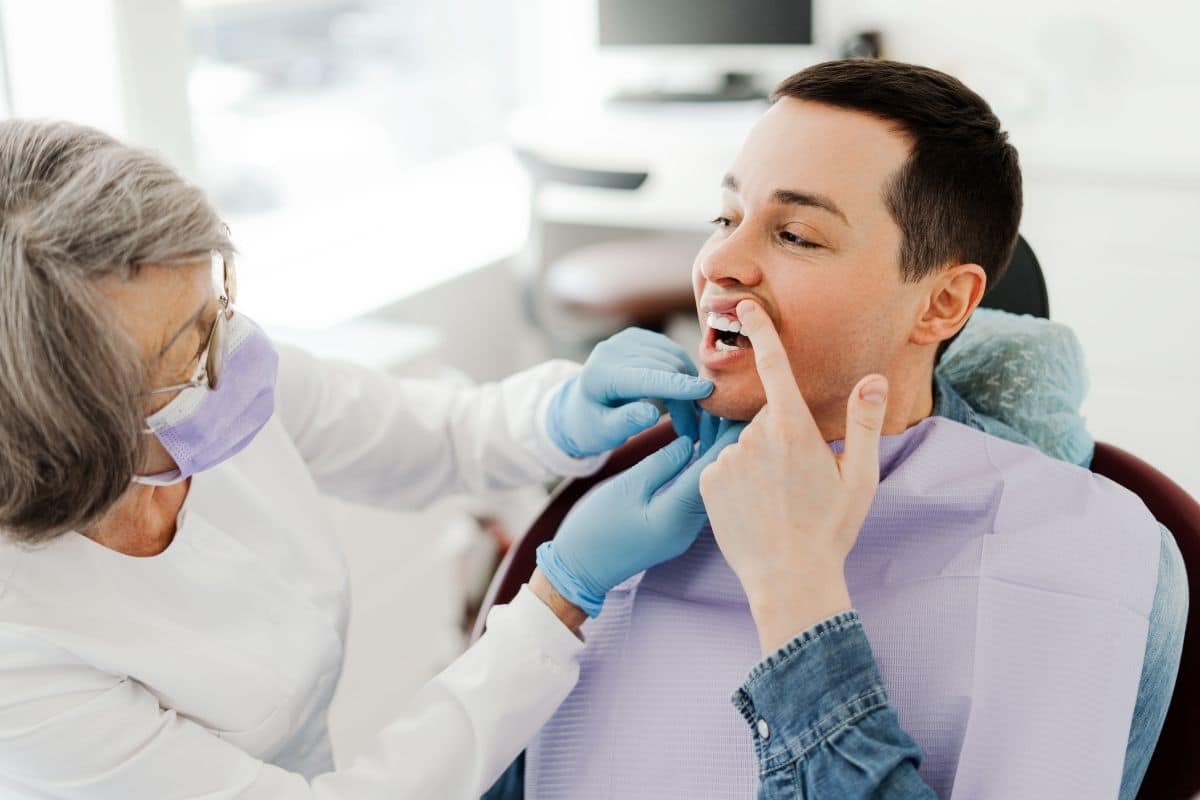
If you are considering cosmetic treatment, a consultation with a cosmetic dentist in Niagara Falls can help determine which option fits your specific dental needs.
Dental Bonding vs. Veneers vs. Crowns: What’s the Difference?
The easiest way to understand the three treatments is to look at what each one does.
Dental Bonding
Dental bonding uses a tooth-colored composite resin that is applied directly to the tooth and shaped to improve its appearance.
Bonding may be appropriate for relatively small concerns such as:
- Minor chips
- Small gaps
- Slightly uneven edges
- Minor changes in tooth shape
- Certain areas of discoloration
- Small areas of wear
- Minor cosmetic imperfections
Because the composite resin is added directly to the tooth, bonding can often make a cosmetic improvement without removing significant amounts of healthy tooth structure.
Porcelain Veneers
Porcelain veneers are thin restorations designed to cover the front surface of a tooth.
They can change the appearance of:
- Tooth color
- Tooth shape
- Tooth size
- Certain spacing concerns
- Worn or chipped edges
- Some visible cosmetic irregularities
Veneers are often considered when a patient wants a more comprehensive change to the appearance of one or several visible teeth.
Unlike bonding, veneers are laboratory-made restorations and generally require some preparation of the tooth.
Dental Crowns
A dental crown is different from a veneer because it covers the tooth rather than only the front surface.
Crowns are generally considered when a tooth needs more extensive restoration or protection. Examples can include teeth that have been significantly weakened by decay, large fillings, fractures, extensive wear, or previous dental treatment.
Although crowns can improve the appearance of a tooth, their primary purpose is often restoration and protection, rather than purely cosmetic enhancement.
When Is Dental Bonding the Right Choice?
Cosmetic bonding may be appropriate when the tooth is generally healthy and only a relatively small cosmetic correction is needed.
For example, imagine a front tooth with a small chip on the edge.
If the tooth is structurally sound, adding composite resin may be enough to restore the missing contour and improve the appearance.
Bonding can also be considered for minor gaps or small differences in tooth shape.
Potential advantages of bonding include:
- Minimal tooth preparation in many cases
- A relatively conservative approach
- Tooth-colored results
- Ability to reshape the material directly on the tooth
- Treatment of smaller cosmetic imperfections
- Potentially easier repair if the composite becomes damaged
However, bonding is not necessarily the best solution for every cosmetic concern.
Composite resin can be more susceptible to staining and wear than porcelain, particularly when it is exposed to heavy biting forces or habits such as teeth grinding.
When Are Veneers a Better Option?
Veneers may be considered when the goal is to make a more noticeable and consistent change to the visible appearance of several teeth.
For example, a patient may have:
- Multiple discolored front teeth
- Several worn or uneven edges
- Irregular tooth shapes
- Small gaps between multiple teeth
- Teeth that appear disproportionate
- Cosmetic imperfections that are difficult to correct predictably with bonding
One advantage of veneers is that they can provide a more uniform appearance across multiple teeth.
The shade, shape, proportions, and contours can be planned together as part of a broader smile design.
However, veneers are not simply a more expensive form of bonding.
They involve different materials, preparation, treatment planning, and long-term considerations.
When Is a Crown More Appropriate?
A crown may be recommended when the tooth needs more than a cosmetic change.
For example, a tooth with substantial structural damage may require a restoration that surrounds and protects it.
Situations that may lead to consideration of a crown include:
- Extensive tooth decay
- A large existing filling
- Significant cracks or fractures
- Extensive tooth wear
- A weakened tooth following root canal treatment
- Substantial loss of tooth structure
- A tooth that needs full-coverage restoration
The key distinction is structural need.
If a tooth is healthy and the concern is primarily cosmetic, placing a crown simply to change its appearance may involve more treatment than necessary.
If a tooth is significantly compromised, however, bonding or a veneer may not provide the level of protection required.
Dental Bonding vs. Veneers
Bonding and veneers can both improve the appearance of front teeth, but they work differently.
| Dental Bonding | Porcelain Veneers |
|---|---|
| Uses composite resin | Uses porcelain |
| Applied directly to the tooth | Custom-made restoration |
| Often requires minimal preparation | Usually requires enamel preparation |
| Well suited to smaller corrections | Often suited to broader cosmetic changes |
| Can be repaired or modified | More durable but may require replacement if damaged |
| Generally less extensive treatment | More involved cosmetic treatment |
The choice should not be based solely on durability or appearance.
Your dentist should also evaluate how much tooth structure needs to be changed, how many teeth are involved, your bite, and whether you grind or clench your teeth.
Veneers vs. Crowns
Veneers and crowns are also fundamentally different restorations.
A veneer primarily covers the visible front surface of a tooth.
A crown covers the tooth more extensively.
This means a veneer may be appropriate when the underlying tooth is relatively healthy but its appearance needs to be changed.
A crown may be more appropriate when the tooth has lost substantial structure and needs additional support or protection.
Choosing a crown simply because it can dramatically change the appearance of a tooth does not necessarily make it the most conservative treatment.
Bonding vs. Crowns
Bonding is generally used for smaller repairs or cosmetic changes.
Crowns are generally used when a tooth needs more substantial restoration.
The actual recommendation depends on the condition of the individual tooth.
A dental examination is particularly important when a tooth is cracked, painful, heavily restored, or significantly worn because the visible cosmetic problem may not tell the whole story.
How Do You Know Which Treatment You Need?
The first step is identifying what you are actually trying to change.
If the main concern is a small chip
Bonding may be a conservative option when the tooth is otherwise healthy.
If several front teeth have cosmetic imperfections
Veneers may be considered when you want to change the overall shape, color, or appearance of multiple teeth.
If the tooth is substantially damaged
A crown may be recommended when there is insufficient healthy structure for a more conservative cosmetic restoration.
If the teeth are primarily crooked
Bonding, veneers, and crowns do not physically move teeth.
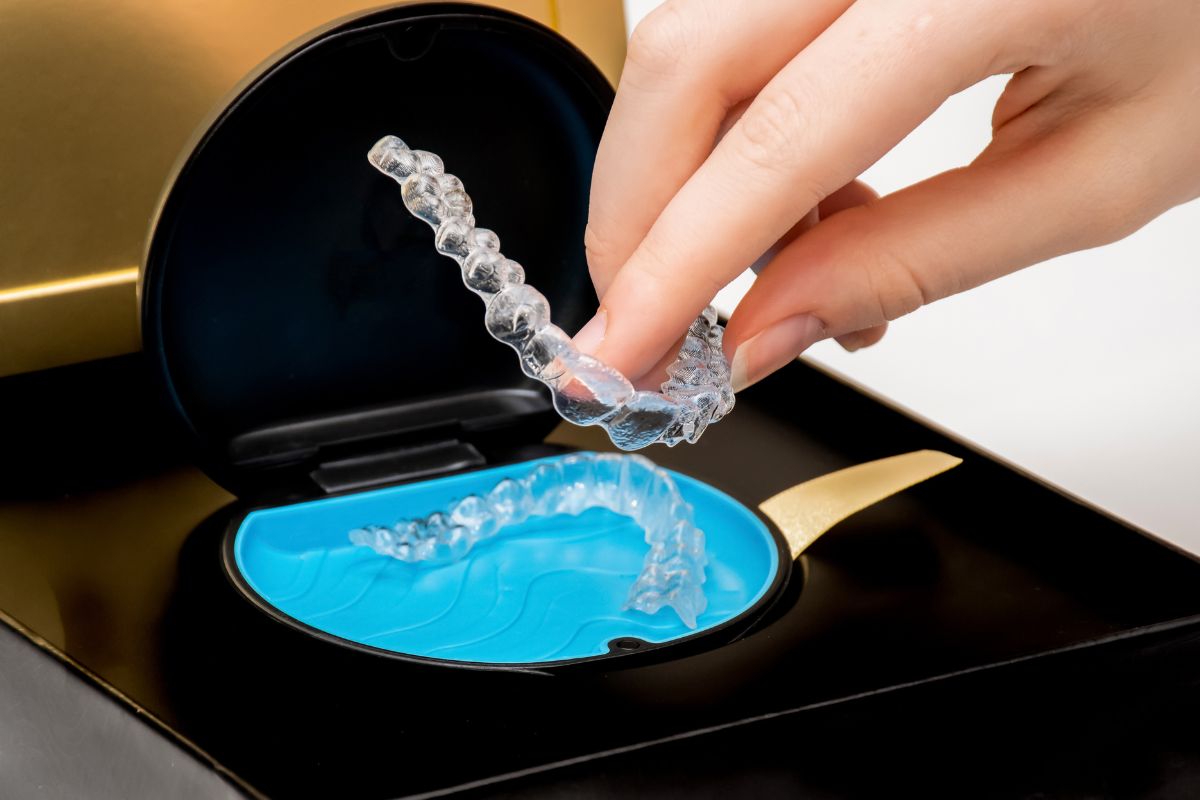
If the main concern is crowding, rotation, or significant spacing, orthodontic treatment or clear aligners may need to be considered instead.
This distinction is important because cosmetic dentistry should not be used simply to disguise an underlying alignment or bite problem when another treatment would address the cause more appropriately.
Does Your Bite Affect Cosmetic Treatment?
Yes. Your bite is an important part of cosmetic treatment planning. A restoration has to function when you bite and chew, not just look good when you smile. Your dentist may evaluate:
- How your upper and lower teeth meet
- Signs of grinding or clenching
- Tooth wear
- Jaw movement
- Existing restorations
- The amount of space available for a restoration
- The forces placed on the teeth
A patient who heavily grinds their teeth may need a different treatment plan from someone with minimal bite forces.
This is one reason a cosmetic consultation should include an examination rather than selecting a treatment based only on photographs or online information.
Can Bonding, Veneers, or Crowns Fix the Same Problem?
Sometimes more than one treatment can improve the appearance of the same tooth.
For example, a small chip might potentially be treated with bonding or a veneer depending on its size and location.
A discolored tooth might be treated with whitening, bonding, a veneer, or another restoration depending on the cause and condition of the tooth.
A worn tooth may require either a cosmetic or restorative approach depending on how much structure has been lost.
The important question is not simply:
“Which treatment looks better?”
It is:
“Which treatment addresses the problem while preserving as much healthy tooth structure as reasonably possible?”
What Should Be Evaluated Before Cosmetic Treatment?
Before choosing bonding, veneers, or crowns, your dentist may evaluate:
- Tooth decay
- Gum health
- Enamel condition
- Existing fillings
- Cracks or fractures
- Tooth wear
- Bite alignment
- Teeth grinding or clenching
- Tooth position
- Tooth color
- Tooth shape and proportions
- Overall oral health
Any active dental disease should generally be addressed before elective cosmetic treatment.
This helps ensure that the cosmetic treatment is being placed on a healthy foundation.
Which Treatment Lasts the Longest?
There is no single answer that applies to every patient.
The longevity of a restoration depends on factors such as:
- Material
- Oral hygiene
- Bite forces
- Teeth grinding
- Diet
- Habits
- The condition of the underlying tooth
- Proper treatment planning
- Professional maintenance
Bonding can be repaired or replaced when necessary, but composite resin may be more vulnerable to staining and wear.
Porcelain veneers can provide durable cosmetic results when properly planned and maintained, but they are not indestructible.
Crowns can provide long-term protection for appropriately restored teeth, but they can also wear, fracture, loosen, or require replacement.
The goal should be to select the treatment that is appropriate for the tooth rather than choosing solely based on expected lifespan.
A Simple Guide to Choosing Between Bonding, Veneers, and Crowns
| Dental concern | Treatment that may be considered |
|---|---|
| Small chip | Dental bonding |
| Minor gap | Bonding or veneers |
| Slightly uneven tooth shape | Bonding or veneers |
| Multiple cosmetic imperfections | Veneers may be considered |
| Significant discoloration | Whitening, veneers, or another restoration depending on the cause |
| Extensive decay | Crown or other restorative treatment |
| Large fracture | Crown or other restorative treatment |
| Heavily worn tooth | Crown or other restorative treatment |
| Major loss of tooth structure | Crown may be appropriate |
| Significant crowding or crooked teeth | Orthodontic treatment or clear aligners |
This table is a starting point, not a diagnosis. Two teeth that appear similar cosmetically can require completely different treatments depending on their underlying condition.
Why a Cosmetic Consultation Matters
Cosmetic dentistry is not simply about making teeth look whiter or straighter.
A successful treatment plan considers the relationship between appearance, tooth structure, function, and oral health.
A cosmetic dentist can assess the individual tooth and determine whether bonding, veneers, crowns, or another approach makes sense.
This can also help avoid unnecessary treatment.
For example, a healthy tooth with a small chip may not need a crown. Likewise, a severely weakened tooth may not be adequately treated with bonding simply because bonding is more conservative.
The right treatment should match the problem.
Frequently Asked Questions
Is dental bonding better than veneers?
Neither treatment is universally better. Bonding may be appropriate for smaller cosmetic changes and minor repairs, while veneers may be considered for more comprehensive changes to the appearance of one or several teeth.
Are veneers better than crowns?
Veneers and crowns serve different purposes. Veneers primarily change the visible appearance of the tooth, while crowns provide more extensive coverage and are commonly used when a tooth needs structural restoration or protection.
Is bonding more conservative than veneers?
In many cases, yes. Bonding can often be applied with minimal preparation of the natural tooth. Veneers generally require some preparation, so your dentist should determine whether the additional treatment is appropriate.
Can a crown be used for cosmetic reasons?
Yes, crowns can improve the appearance of a tooth, but they are generally more appropriate when the tooth also requires substantial structural restoration or protection.
Can bonding fix a cracked tooth?
Bonding may be appropriate for certain minor chips or cosmetic imperfections, but a significant crack can require a different treatment. A dentist should evaluate the tooth before determining whether bonding is safe and appropriate.
Should I get veneers or whitening?
It depends on the cause of the discoloration and whether you also want to change the shape or size of the teeth. Whitening changes the color of natural teeth, while veneers can change both color and visible tooth shape.
Can cosmetic dentistry fix crooked teeth?
In some mild cases, bonding or veneers can make teeth appear more uniform. However, these treatments do not physically move teeth. Clear aligners or orthodontic treatment may be more appropriate when the underlying concern is significant tooth movement or bite alignment.
Choosing Cosmetic Treatment in Niagara Falls
Dental bonding, veneers, and crowns can all play an important role in improving a smile, but they are not interchangeable treatments.
Bonding may be appropriate for smaller cosmetic corrections. Veneers may be considered when you want a broader change to the appearance of healthy front teeth. Crowns may be necessary when a tooth has significant structural damage and needs greater coverage and protection.
The best treatment depends on the condition of your teeth, your bite, your cosmetic goals, and how much healthy tooth structure can be preserved.
If you are considering cosmetic dental treatment, visit our dental practice in Niagara Falls for a personalized evaluation. Our team can examine your teeth and explain whether bonding, veneers, crowns, or another treatment may be appropriate for your smile.
Schedule your appointment with Dr. Bob’s Dental Care today to discuss your cosmetic treatment options.