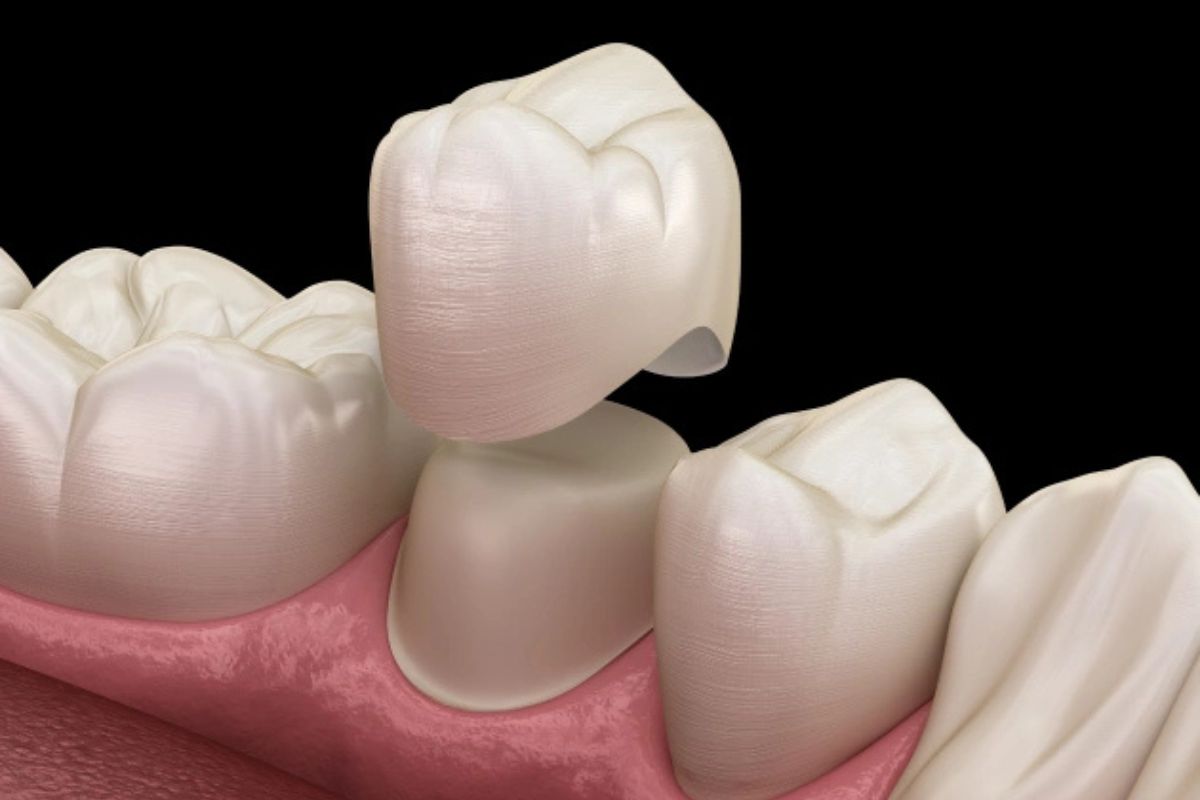
You invested in a dental restoration to protect your tooth, and now you are wondering how long it will actually last. That is a fair and important question. Most people assume a tooth cap lasts forever once it is placed. The reality is more nuanced, and knowing what shortens or extends its life could save you from unexpected costs and repeat dental visits. For locals exploring dental crowns in Niagara Falls, understanding what influences longevity is just as important as getting the procedure done right. If you have a crown or are considering one, here is everything you need to know to protect that investment.
Does The Material Of Your Crown Determine How Long It Lasts?
Absolutely, and this is where you start making uninformed decisions. The material your tooth cap is made from plays a significant role in how well it holds up over time.
Here is a quick breakdown:
- Porcelain fused to metal: Durable and natural-looking, but the porcelain layer can chip with heavy bite force over time.
- All-ceramic or all-porcelain: Highly aesthetic and a popular choice for front teeth, though slightly less resistant to pressure than metal options.
- Zirconia: One of the strongest materials available today. It resists cracking and wears extremely well, making it a top choice for back teeth.
- Gold alloy: Exceptionally long-lasting and gentle on surrounding teeth, though less preferred for visible areas due to its appearance.
Your local dentist will recommend a material based on the tooth’s location, your bite pattern, and your aesthetic goals. Choosing the right material from the start makes a measurable difference in lifespan.
Is Where The Tooth Cap Is Placed In Your Mouth A Factor?
This concern is often underestimated. A tooth cap placed on a back molar handles significantly more force than one placed on a front tooth. Molars grind and crush food with every meal. That constant mechanical stress adds up over the years. Front teeth, while they experience less biting force, are more prone to trauma, such as biting into hard foods or accidental impacts. Both positions carry their own risks, which is why placement location always factors into material selection and care recommendations.
What Daily Habits Are Quietly Shortening Your Crown’s Life?
The way you use your mouth every day directly affects how long your tooth restoration lasts. This is because common habits that accelerate wear:
- Teeth grinding (bruxism): One of the most damaging habits for dental restorations. Many people grind at night without realizing it. Over time, this places excessive force on the cap and the underlying tooth structure.
- Chewing ice or hard candy: These habits create sudden, sharp pressure that can crack even strong restorations.
- Using your teeth as tools: Opening packages, biting nails, or tearing tape puts stress on restorations that they were simply not designed to handle.
- Nail biting: A surprisingly common habit that applies repeated lateral pressure to front teeth.
Locals in this city often do not realize that everyday habits like chewing hard candies or crunching ice can gradually damage dental crowns. Repeated pressure from these habits may increase the risk of wear, small fractures, or weakening of the restoration.
Does Oral Hygiene Matter For A Capped Tooth?
A tooth cap itself cannot decay, but the natural tooth underneath it absolutely can. If bacteria build up along the gum line where the cap meets the tooth, decay can develop at the margin. Once that happens, the restoration may need to be replaced entirely.
For patients with dental crowns in Niagara Falls, changing weather conditions throughout the year can sometimes affect oral health more than expected. The shift from cold, dry winters to humid summers may contribute to oral dryness and changes in saliva production, both of which can influence bacterial buildup around dental restorations.
To help keep your restoration in strong condition:
- Brush twice daily with a non-abrasive fluoride toothpaste that does not scratch the restoration surface.
- Floss daily around the cap, paying extra attention to the gum line where buildup is most common.
- Use an antibacterial mouthwash to reduce bacterial load, especially if you are prone to gum sensitivity.
- Stay hydrated throughout the day to support healthy saliva flow, which naturally neutralizes acids in the mouth.
Could Bite Alignment Be Damaging The Crown?
It can! If your bite is slightly off after a tooth cap is placed, or if it was never properly aligned to begin with, the uneven pressure it creates can considerably shorten the restoration’s lifespan. An improperly aligned bite causes the cap to absorb force at angles it was not made to handle.
Signs your bite may be affecting your detnal work:
- Soreness or sensitivity when biting down, especially on one side
- Uneven wear on the restoration compared to the surrounding teeth
- Jaw discomfort or headaches that seem to start around the back teeth
If you notice any of these, visit our dental office in Niagara Falls for a bite assessment sooner rather than later. Small adjustments made early can prevent much larger problems down the road.
Does The Initial Crown Fit Influence Their Durability?
A well-fitted tooth cap placed by an experienced dental provider creates a tight seal that keeps bacteria out and distributes bite force evenly. On the other hand, a poorly fitted one, even one that feels fine initially, can allow microleakage over time. That means bacteria, saliva, and debris seep beneath the restoration and begin affecting the underlying tooth.
This is why choosing a skilled dental care provider matters just as much as the material itself. Families in Niagara Falls who prioritize quality oral care from the start tend to see much better, sustainable outcomes with their restorations.
Are Regular Dental Visits Important With A Capped Tooth?
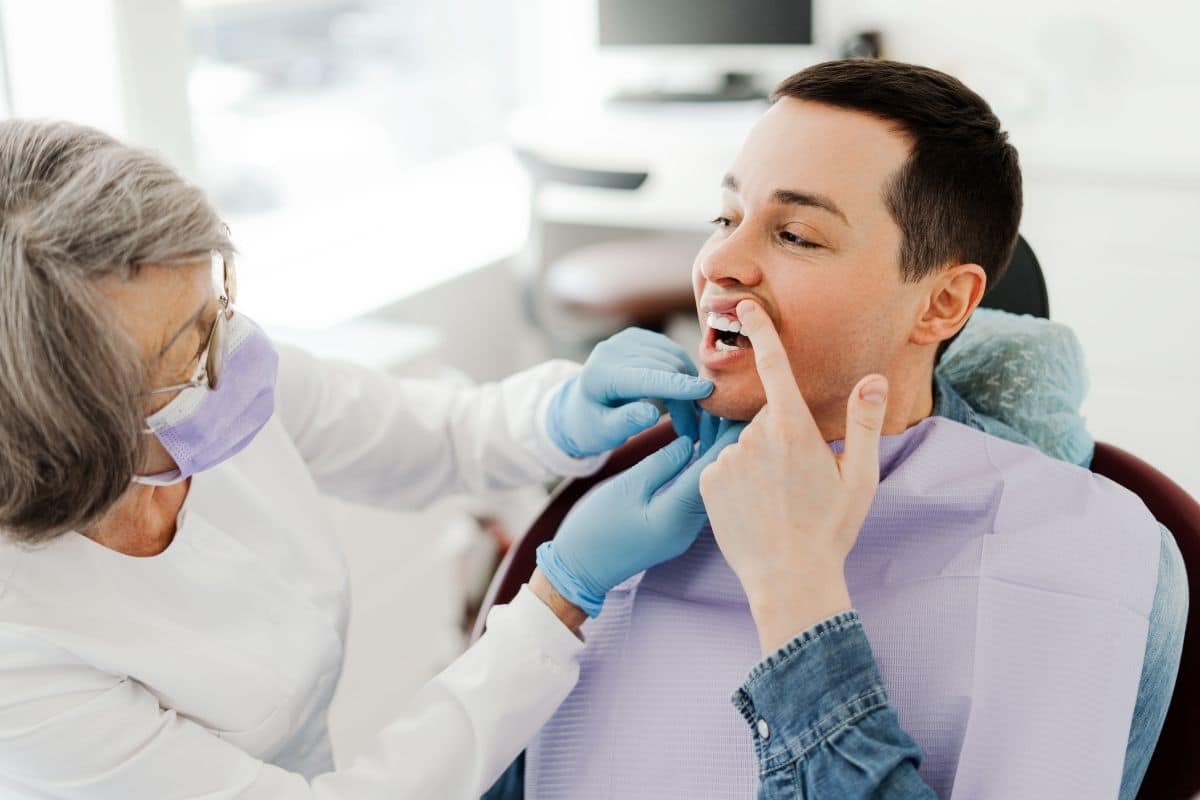
They are not optional, but they are essential. During routine checkups, your local dentist will evaluate the margins of your restoration, check for signs of wear, assess the surrounding gum tissue, and catch any early signs of decay before they become serious. X-rays can reveal issues beneath the surface that are completely invisible to the naked eye.
Most professionals recommend checkups every six months.
For people who grind their teeth or have bite alignment concerns, more frequent visits may be advised. Think of these appointments as maintenance for a long-term investment. Skipping them is how small, fixable issues turn into full replacements.
What Is The Average Lifespan Of Dental Crowns?
With proper care and the right material, most tooth caps last between 10 and 15 years. Zirconia and gold alloy restorations can last significantly longer, sometimes exceeding 20 years with excellent oral hygiene and regular professional care. All-ceramic options usually fall in the 10 to 15 year range, depending on placement and habits.
The variable is patient behavior. Two people can receive identical restorations on the same day. Ten years later, one may still be intact, and the other may need replacement. Thus, the difference almost always comes down to daily habits, hygiene, and consistency with oral checkups.
Keep Your Smile Strong With The Right Dental Care Approach
At Dr Bob’s Dental Care, we believe every patient deserves to understand exactly what they are getting and how to make it last. A tooth restoration is not just a procedure but a long-term commitment to your oral health, your comfort, and your confidence. Our team takes the time to select the right material, ensure precise placement, and provide a clear care plan that fits your lifestyle.
Whether you are just starting to explore your tooth restoration options or you have had one for years and want to make sure it is holding up well, we are here to help.
Schedule an appointment and let us give your smile the attention it deserves. With the right care and the right team behind you, your dental work can function like new. For those considering dental crowns in Niagara Falls, there is no better time to start a conversation with our team that puts your dental health first.
Frequently Asked Questions (FAQs)
1. How long do dental crowns usually last?
Most dental crowns last between 10 and 15 years with proper care, though some remain functional much longer. Material type, bite pressure, oral hygiene, and grinding habits all influence longevity.
2. What causes dental crowns to fail early?
Capped teeth may fail sooner because of teeth grinding, decay beneath the crown, poor oral hygiene, or excessive bite pressure. Cracks, looseness, and gum disease can also reduce stability and its functionality.
3. Which type of dental crown lasts the longest?
Metal and zirconia crowns are generally considered the most durable options for long-term wear resistance. These materials often withstand chewing pressure and grinding better than porcelain based restorations.
4. Can a dental crown last a lifetime?
Some caps may remain functional for decades when supported by strong oral hygiene and regular dental evaluations. However, most eventually require replacement because of normal wear or changes beneath the restoration.
5. What are the warning signs that a crown needs replacement?
Sensitivity, pain while biting, visible cracks, looseness, or dark areas near the gum line may indicate crown failure. Changes in bite alignment or gum inflammation should also be evaluated by a professional.