Can a dentist remove cosmetic bonding?
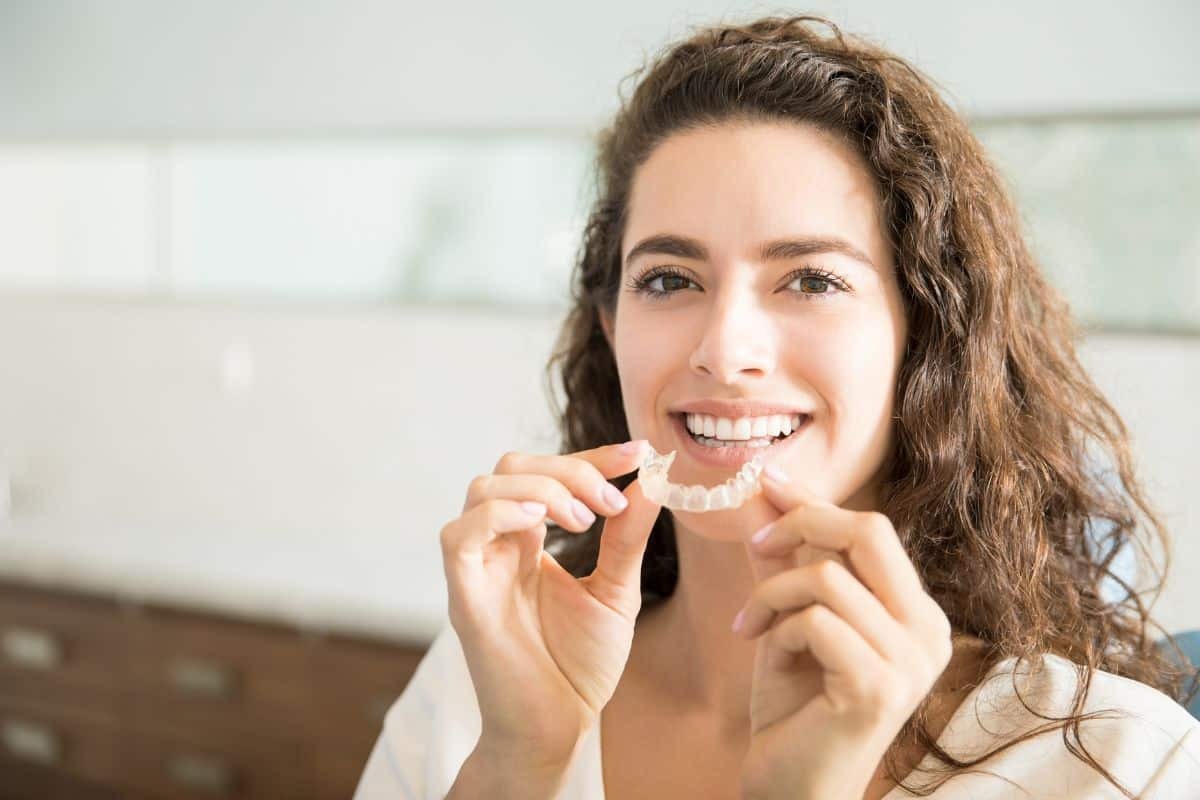
Cosmetic dental bonding offers an effective solution for fixing minor aesthetic issues, such as chips, cracks, tiny gaps, and discolorations. Unlike veneers, which require significant changes to the tooth, it’s simply a layer of composite applied to the tooth.
However, a common question from patients asking their dentist about this treatment is: “Can dental bonding be removed?” Yes, dental bonding can generally be removed or adjusted.
Dr. Bob’s Dental Care offers professional bonding and removal services, ensuring you get the best treatment. Let’s learn more about the reasons and the process of dental bonding removal from a dentist in North Buffalo.
Reasons to Remove Dental Bonding
Although composite bonding is quite durable and often lasts for many years. There are a few different reasons why someone might choose to have it removed or updated. Here is the list of the most common reasons:
Wear and Tear
Over time, bonded teeth can experience wear, chipping, or staining, just like natural teeth. Minor issues can usually be easily fixed, but the situation needs to be handled if there’s more extensive wear. Removing and re-bonding the teeth or considering other options might be necessary. Then, the dental bonding removal helps ensure your smile stays bright and healthy.
Desire for a Different Aesthetic
We all love to try different looks, and sometimes you might want a distinct appearance for your smile. Maybe you first bonded a small chip, but now you dream of a full smile makeover. It’s all about what makes you feel confident and happy, and it can be possible with teeth bonding removal!
Underlying Dental Issues
Removing bonding from teeth becomes necessary if there’s an underlying dental problem, such as decay or a structural issue. In that case, a problem may develop underneath or around the bonding. When this happens, the bonding might need to be removed so that the primary issue can be properly addressed.
Dissatisfaction with the Original Bonding
Tooth bonding removal is not that rare among cosmetic dental practitioners. If patients aren’t happy with the shape, size, or color of their initial bonding, they can change it. You can gladly remove and redo it to ensure it matches their expectations.
Seeking a More Permanent Solution
Many patients begin with cosmetic bonding in Amherst because it’s a temporary option. However, as they seek a more durable and long-lasting solution, they often opt for other stable options.
How is Cosmetic Bonding Removed?
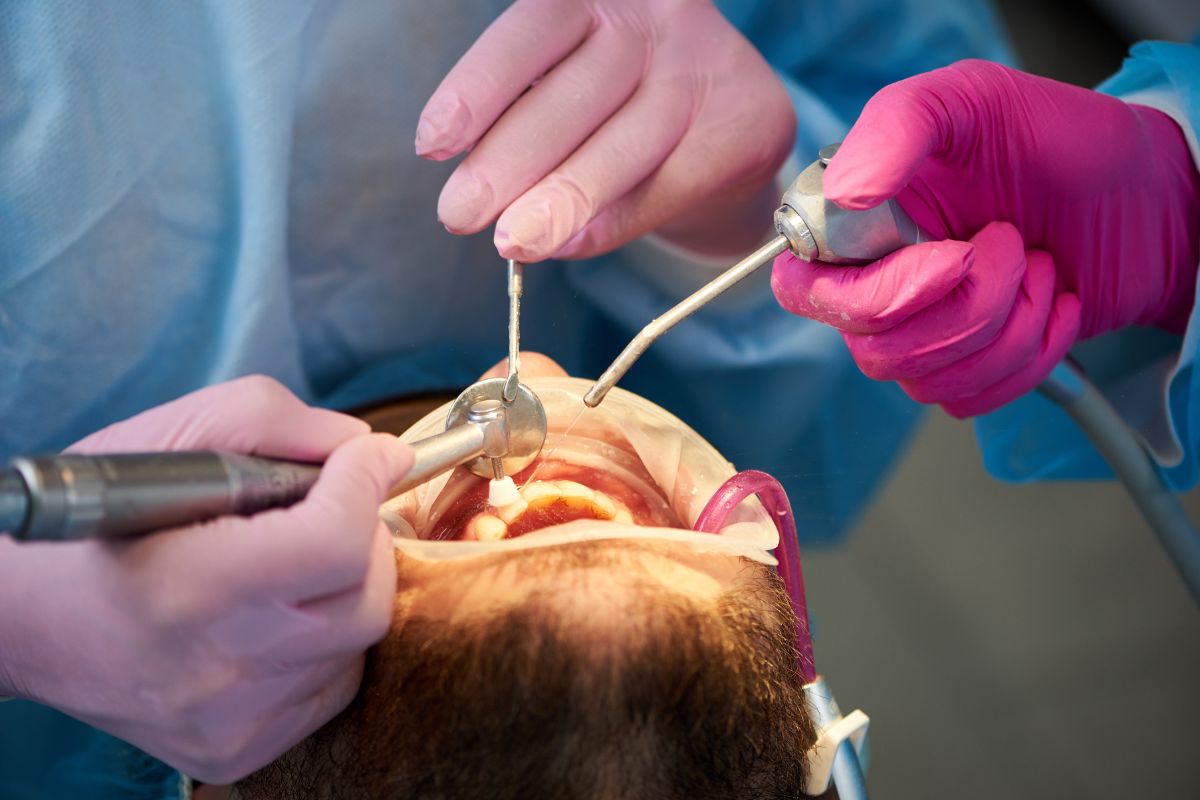
If you want to remove dental bonding, a dentist will first explain the procedure to you to ensure transparency. It is typically done using a special sandpaper attached to a small, fast-spinning disc. Your dentist uses this tool to carefully and effectively remove the bonding material from your teeth.
Remove Dental Bondings with a North Buffalo Dentist
At Dr. Bob’s Dental Care in Amherst, we specialize in various cosmetic dental treatments, including precise, gentle bonding application and removal. Our dentist is dedicated to helping you achieve a healthy, confident, and beautiful smile.
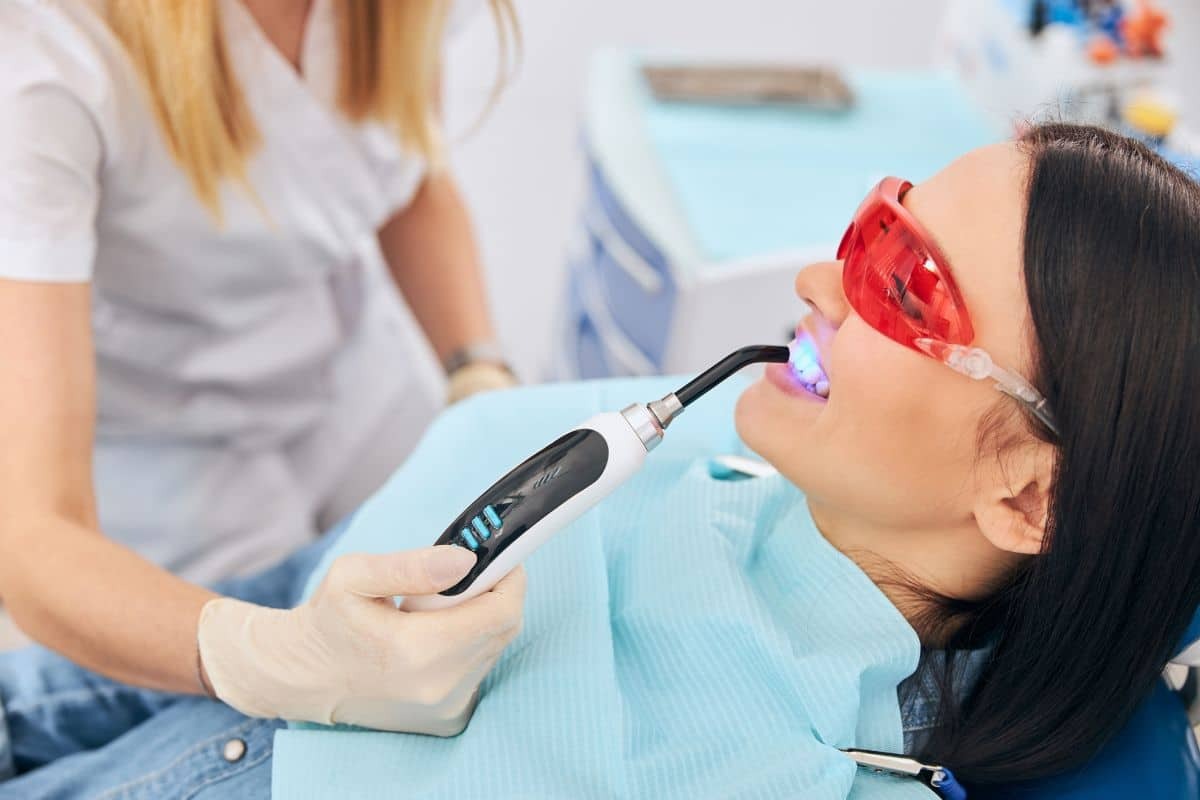
As your dentist, we use the latest technology to ensure comfortable and effective results. Whether you’re looking for a subtle enhancement or a complete smile transformation, we are here to help.
Ready to discuss your cosmetic dental needs or explore options regarding your composite bonding teeth?
Schedule a consultation with us to explore more options to achieve the smile you have always dreamed of.
FAQs
Q. How Do You Remove Cosmetic Bonding?
A: Dentists use sandpaper discs to flexibly shape, smooth, and polish composite material to match the tooth’s surface. For quicker removal, high-speed carbide drills efficiently eliminate bonding material.
Q. Can You Go Back to Natural Teeth After Bonding?
A: Yes, dental bonding can be reversed by a professional. However, since the enamel is lightly etched during application, your natural tooth texture may be slightly altered.
Q. What is the Lifespan of a Tooth Bonding?
A: Dental bonding typically lasts 3 to 10 years, depending on your oral hygiene and habits that protect the bonded teeth