Uneven teeth do not always require traditional braces. If your teeth are healthy and the concern is mainly their shape, size, spacing, chipped edges, or minor cosmetic irregularities, treatments such as cosmetic dental bonding, veneers, enamel reshaping, and clear aligners may offer ways to improve your smile without metal brackets and wires.
The right treatment depends on what is actually causing your uneven smile. A cosmetic dentist can evaluate your teeth, bite, gums, and overall oral health before recommending an appropriate option.
What Causes Uneven Teeth?
“Uneven teeth” can mean different things from one person to another. You may notice:
- Teeth that are different sizes or shapes
- Uneven or worn edges
- Small chips or cracks
- Minor gaps between teeth
- Slightly crooked or rotated teeth
- Teeth that appear too short or too long
- Overlapping teeth
- Uneven spacing
- Discoloration that makes teeth look less uniform
Some of these concerns are primarily cosmetic, while others may be related to tooth alignment or your bite. Orthodontic treatment is commonly used to correct crooked teeth and malocclusion, so a dental evaluation is important before deciding that braces are unnecessary.
Can You Fix Uneven Teeth Without Braces?
Yes, in some cases. If your teeth are generally healthy and the problem is limited to their appearance, cosmetic dentistry may be able to change the shape, proportion, color, or visual alignment of your smile.
Common options include:
- Cosmetic dental bonding
- Enamel reshaping or tooth contouring
- Porcelain veneers
- Clear aligners for certain alignment concerns
The best choice depends on whether you need to reshape the tooth, add material to the tooth, cover the front surface, or physically move the tooth.
1. Cosmetic Dental Bonding for Uneven Teeth
Cosmetic dental bonding can be a conservative option for correcting small imperfections in tooth shape and size.
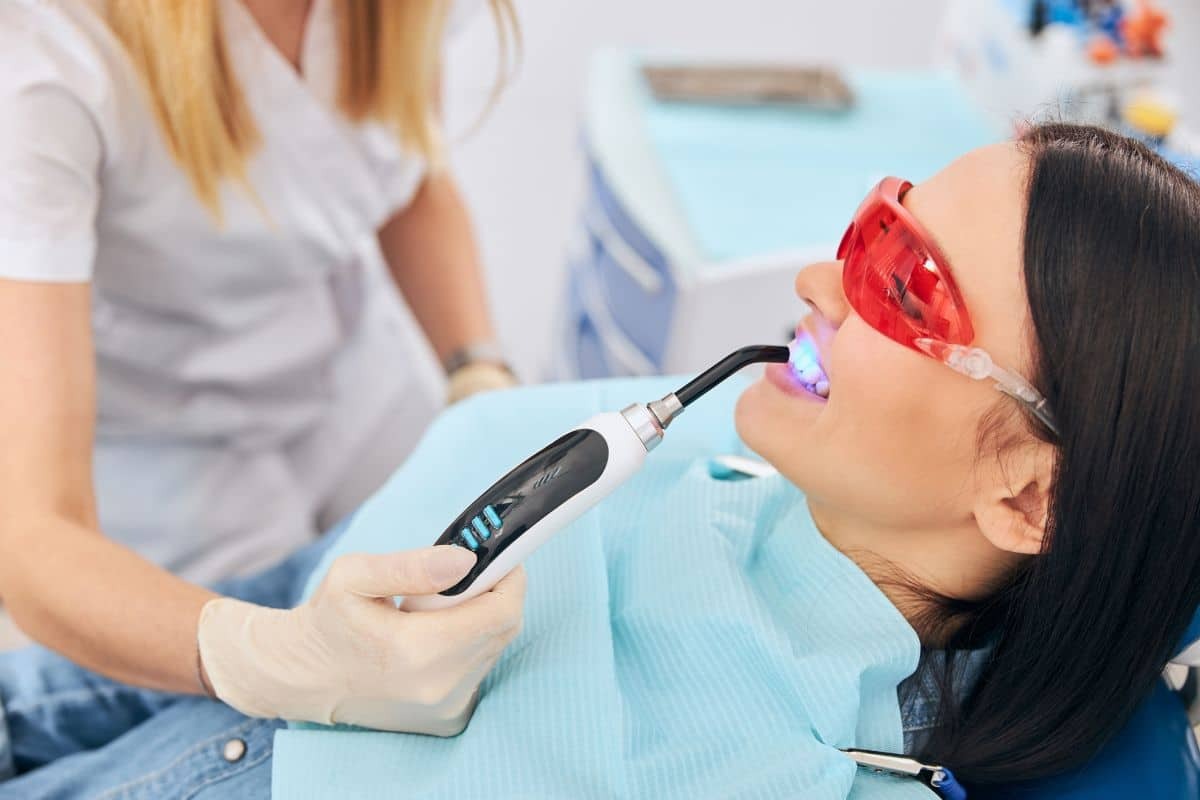
During bonding, a tooth-colored composite resin is applied to the tooth and shaped to improve its appearance. It can be used to address concerns such as:
- Uneven tooth edges
- Small chips
- Minor gaps
- Irregular tooth shapes
- Slight differences in tooth size
- Certain discoloration concerns
Because bonding adds composite material rather than significantly altering the tooth, it can be a useful option when only a small cosmetic change is needed. Dental organizations describe bonding as a treatment that can improve the shape, spacing, and appearance of teeth.
For patients looking for a conservative way to improve slightly uneven front teeth, cosmetic bonding in Amherst may be worth discussing with a dentist.
Benefits of Cosmetic Bonding
Depending on your situation, bonding may offer:
- A natural-looking tooth color
- Minimal tooth preparation
- The ability to correct several minor imperfections
- A relatively simple treatment process
- Cosmetic improvement without orthodontic brackets
However, bonding is not designed to physically move significantly crooked teeth. Your dentist will determine whether enough healthy tooth structure is available and whether bonding can provide the result you want.
2. Enamel Reshaping and Tooth Contouring
If one or more teeth have slightly uneven edges, enamel reshaping, sometimes called tooth contouring, may be considered.
This technique involves carefully adjusting small amounts of enamel to improve the shape and symmetry of the teeth.
For example, a dentist may consider contouring when:
- One front tooth has a slightly irregular edge
- Teeth have minor shape differences
- A small amount of excess enamel affects symmetry
- The edges of neighboring teeth do not look balanced
This treatment is generally intended for minor cosmetic changes. It is not a substitute for orthodontic treatment when teeth are significantly crowded, rotated, or improperly positioned.
Because enamel does not grow back, tooth reshaping should only be performed after a dentist determines that it is appropriate.
3. Porcelain Veneers for More Noticeable Cosmetic Changes
Porcelain veneers are thin restorations designed to cover the front surfaces of teeth. They can change the appearance of tooth color, shape, size, and certain spacing or alignment concerns.
Veneers may be considered when several front teeth have cosmetic imperfections, such as:
- Uneven tooth shapes
- Worn or chipped edges
- Discoloration
- Small gaps
- Misshapen teeth
- Mild visual alignment concerns
Veneers can create a more uniform appearance across multiple teeth. However, they are not simply a replacement for braces.
According to the ADA, placing veneers generally involves removing some enamel, making treatment irreversible. Existing problems such as tooth decay or gum disease should also be addressed before veneers are placed.
Are Veneers Right for Everyone?
Not necessarily.
Your dentist may recommend another treatment if you have untreated decay, gum disease, insufficient enamel, certain bite problems, or habits such as significant teeth grinding. Veneers can also chip, crack, loosen, or require repair or replacement over time.
That is why a cosmetic consultation should focus on both appearance and dental health.
4. Clear Aligners Instead of Traditional Braces
If the main problem is that your teeth are actually crooked, crowded, rotated, or spaced apart, cosmetic bonding or veneers may not address the underlying alignment.
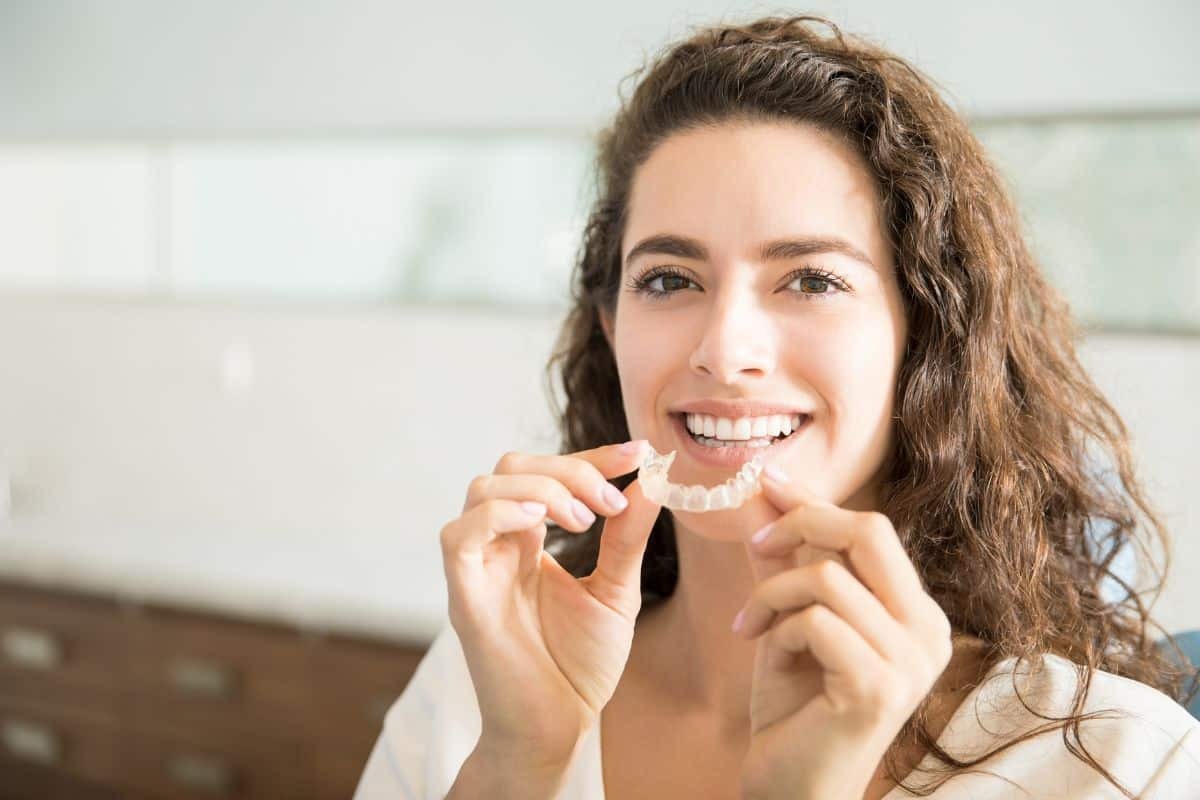
In appropriate cases, clear aligners can gradually move teeth into improved positions without traditional metal brackets.
Clear aligners are different from cosmetic bonding or veneers:
- Bonding changes the shape of the tooth.
- Veneers change the visible appearance of the front surface.
- Enamel reshaping makes small changes to tooth shape.
- Clear aligners physically move teeth.
The ADA recognizes removable aligners as an orthodontic option for certain tooth and bite alignment problems.
A dentist or orthodontist should evaluate your teeth and bite to determine whether aligners are appropriate.
Which Cosmetic Dentistry Option Is Best for Uneven Teeth?
There is no single treatment that works for every uneven smile.
| Concern | Treatment that may be considered |
|---|---|
| Small chip or uneven edge | Cosmetic bonding |
| Minor difference in tooth shape | Bonding or enamel reshaping |
| Small gap | Bonding, veneers, or orthodontic treatment |
| Mildly crooked teeth | Clear aligners or orthodontic treatment |
| Multiple uneven front teeth | Bonding or veneers |
| Significant tooth damage | Crown or restorative treatment |
| Crowding or bite problems | Orthodontic treatment |
The key is identifying why the teeth look uneven before choosing a cosmetic procedure.
How a Cosmetic Dentist Evaluates Uneven Teeth
A consultation usually begins with an examination of your teeth and gums. Your dentist may evaluate:
- Tooth shape and size
- Tooth alignment
- Spacing and crowding
- Bite relationship
- Enamel condition
- Existing fillings or restorations
- Signs of tooth wear or grinding
- Gum health
- Overall smile proportions
Dental X-rays or other diagnostic records may also be recommended when necessary.
This evaluation helps determine whether the concern is primarily cosmetic or whether there is an underlying dental or orthodontic issue that should be addressed first.
Can Cosmetic Dentistry Make Crooked Teeth Look Straight?
Sometimes but there is an important distinction.
Cosmetic treatments can make certain mildly uneven or slightly misaligned teeth appear more uniform by changing their shape or covering visible imperfections.
For example, bonding or veneers may alter the visible contours of the front teeth. However, they do not move the roots or correct the underlying position of the teeth.
If your teeth are significantly crowded or your bite is affected, orthodontic treatment may be more appropriate. Untreated bite and alignment problems can contribute to issues involving chewing, tooth wear, gum health, and other aspects of oral health.
Are Braces Always Necessary for Uneven Teeth?
No. But avoiding braces should not be the only goal.
If your teeth are healthy and the concern is mainly cosmetic, a less invasive treatment may be able to improve your smile without traditional braces. On the other hand, if the uneven appearance is caused by significant crowding, rotation, or a bite problem, orthodontic treatment may be necessary to address the underlying issue.
The goal should be to choose a treatment that improves your smile while protecting your long-term oral health.
Frequently Asked Questions
1. Can bonding fix uneven front teeth?
Bonding can correct certain minor differences in tooth shape, size, spacing, and edges. It cannot physically move significantly crooked teeth.
2. Can veneers straighten uneven teeth?
Veneers can sometimes make mildly uneven or slightly misaligned teeth appear more uniform. They do not actually straighten the underlying teeth.
3. Is enamel reshaping permanent?
Yes. Enamel that is removed during tooth contouring does not grow back, so the procedure should only be performed when a dentist determines that it is appropriate.
4. Are clear aligners better than cosmetic bonding?
They solve different problems. Clear aligners move teeth, while bonding changes their visible shape. Your dentist can determine which approach matches your specific concern.
5. Can uneven teeth be fixed in one visit?
Some minor cosmetic concerns may be treated in a single appointment, particularly with direct composite bonding. More extensive treatments, such as porcelain veneers or orthodontic treatment, generally require additional planning and appointments.
Improve Uneven Teeth Without Traditional Braces
If you are unhappy with uneven teeth, you may have more options than you realize. Cosmetic bonding, enamel reshaping, veneers, and clear aligners can each address different types of smile concerns.
The most appropriate treatment depends on your tooth structure, alignment, bite, oral health, cosmetic goals, and how much change is needed. A dental evaluation can help you understand your options before committing to treatment.
If you are considering cosmetic dentistry for uneven teeth, visit our dental practice in Amherst to discuss your smile goals and available treatment options.
Ready to improve the appearance of uneven teeth? Schedule your appointment to discuss your cosmetic dentistry options and find the right treatment for your smile.