“Are Whitening Strips Bad for Your Teeth?”
When used correctly, whitening strips are generally safe and effective for removing surface stains. However, overuse or improper application can lead to tooth sensitivity, gum irritation, or enamel damage—especially with low-quality products. At Dr. Bob’s Dental Care in Amherst, NY, we help patients navigate safe at-home options and professional solutions.
This article explores how whitening dental strips work, potential side effects, age recommendations, and safer alternatives. Whether you’re a teen curious about a brighter smile or an adult considering teeth whitening in Amherst, we’ll help you understand what’s best for oral health. Trust your local cosmetic dentist in Amherst to guide your smile safely and effectively.
What Are Whitening Strips?
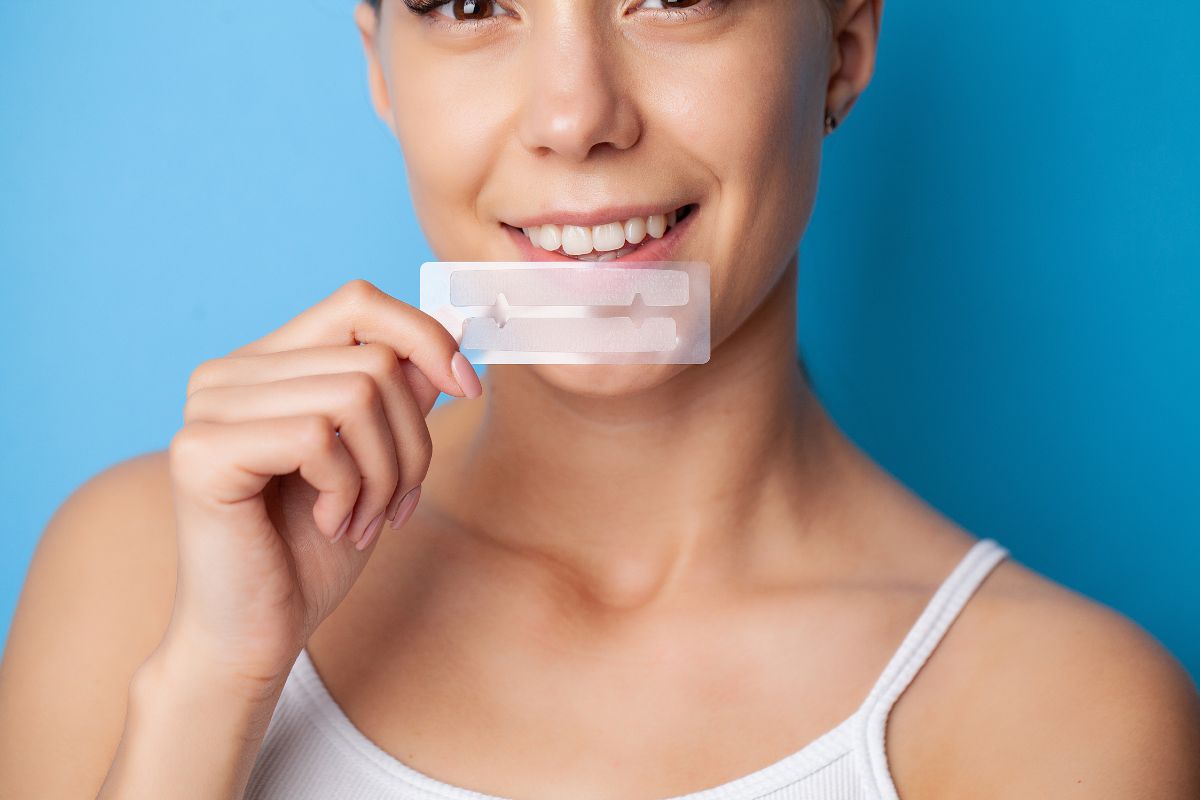
Teeth whitening strips are thin, flexible pieces of plastic coated with a peroxide-based gel—usually hydrogen peroxide or carbamide peroxide—that adhere to your teeth. Some versions may also contain ingredients like PVP (polyvinylpyrrolidone) to help the strip cling better to the enamel.
These strips work by penetrating the tooth enamel and breaking down surface stains, helping lift discoloration caused by coffee, wine, tobacco, and other staining agents.
Are Whitening Strips Effective?
Yes, teeth bleaching strips can be effective—particularly for removing extrinsic stains caused by food, drinks, and smoking. They’re especially helpful for minor surface discoloration.
However, they have limitations. Deep intrinsic stains, age-related yellowing, or discoloration caused by medications may not respond well. For more stubborn cases, a professional teeth whitening treatment from a cosmetic dentist in Amherst may yield faster and more uniform results.
Are Whitening Strips Bad for Your Teeth?
Let’s answer the key question: Are whitening strips bad for your teeth? When used as directed, are dental whitening strips safe for most users? Yes.
However, problems can arise from overuse or misuse. Common risks include:
- Tooth sensitivity – A tingling or zapping pain when consuming hot or cold foods.
- Gum irritation – Strips that touch your gums may cause redness or inflammation.
- Enamel erosion – Especially with products containing chlorine dioxide.
- Chemical burns – From leaving strips on too long.
The key takeaway: whitening strips are safe—but only when used properly.
Side Effects to Watch For
Using whitening dental strips incorrectly or too often can lead to:
- Sharp, sudden pains (often described as “zings”) in the teeth.
- Red, sore, or peeling gum tissue.
- Uneven whitening or white spots from over-bleaching.
These side effects are typically short-lived and preventable with proper use. If symptoms persist, consult a dental professional.
What Happens if You Use Them Incorrectly?
Failing to follow product instructions can have lasting effects on your smile. Risks include:
- Leaving strips on too long – May cause chemical burns or sensitivity.
- Using them too frequently – Can wear down enamel and cause permanent damage.
- Not placing them correctly – Can result in uneven color or irritated gums.
To protect your enamel and get consistent results, always follow the manufacturer’s guidelines.
7. Safe Usage Tips (Dos and Don’ts)
Dos:
- Use only ADA-approved whitening teeth strips.
- Apply strips carefully to avoid gum contact.
- Follow directions on frequency and timing.
- Use a desensitizing toothpaste if sensitivity develops.
Don’ts:
- Avoid products with chlorine dioxide.
- Don’t exceed the recommended usage cycle.
- Don’t brush immediately after use unless directed.
These tips ensure your whitening teeth treatment enhances your smile without harming it.
Can Kids Use Whitening Strips?
No, most teeth bleaching strips are not safe for children under 12. This is because:
- Kids often have mixed dentition (a mix of baby and adult teeth).
- Their enamel is thinner and more susceptible to damage.
- The results can be uneven and unpredictable.
The American Academy of Pediatric Dentistry recommends avoiding any teeth whitening treatment during transitional phases. Always consult your dentist first.
Can Teens Use Whitening Strips?
Yes, teenagers can use whitening strips, but only under adult supervision. Keep these considerations in mind:
- Teens may feel pressure to whiten excessively for aesthetic reasons.
- Overuse may result in tooth sensitivity or gum issues.
- Guidance from a parent and a cosmetic dentist in Amherst helps ensure safe, realistic results.
Are There Better or Safer Alternatives?
If you’re unsure about “Are whitening strips safe?”, consider other whitening options:
- Whitening toothpaste – Mild and gradual, ideal for daily maintenance.
- Whitening pens – Great for spot treatments and on-the-go touch-ups.
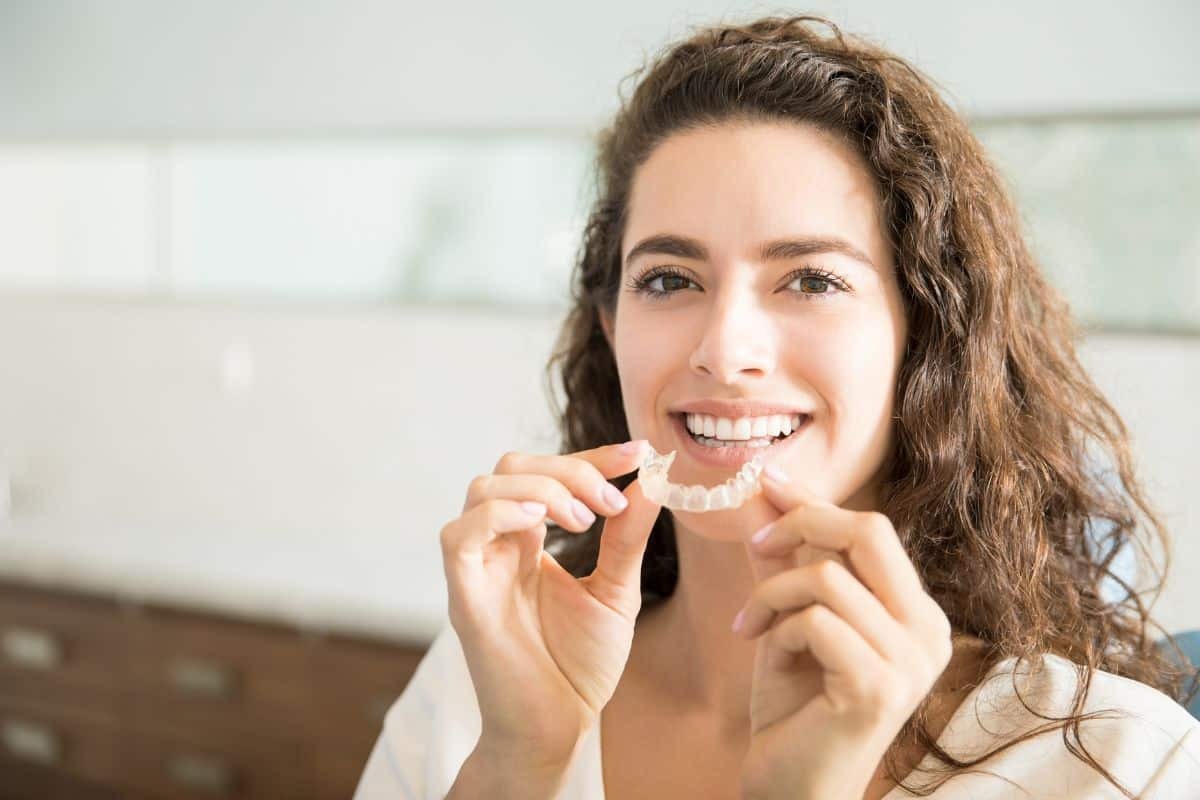
- Custom trays – Provide better coverage and reduce gum irritation.
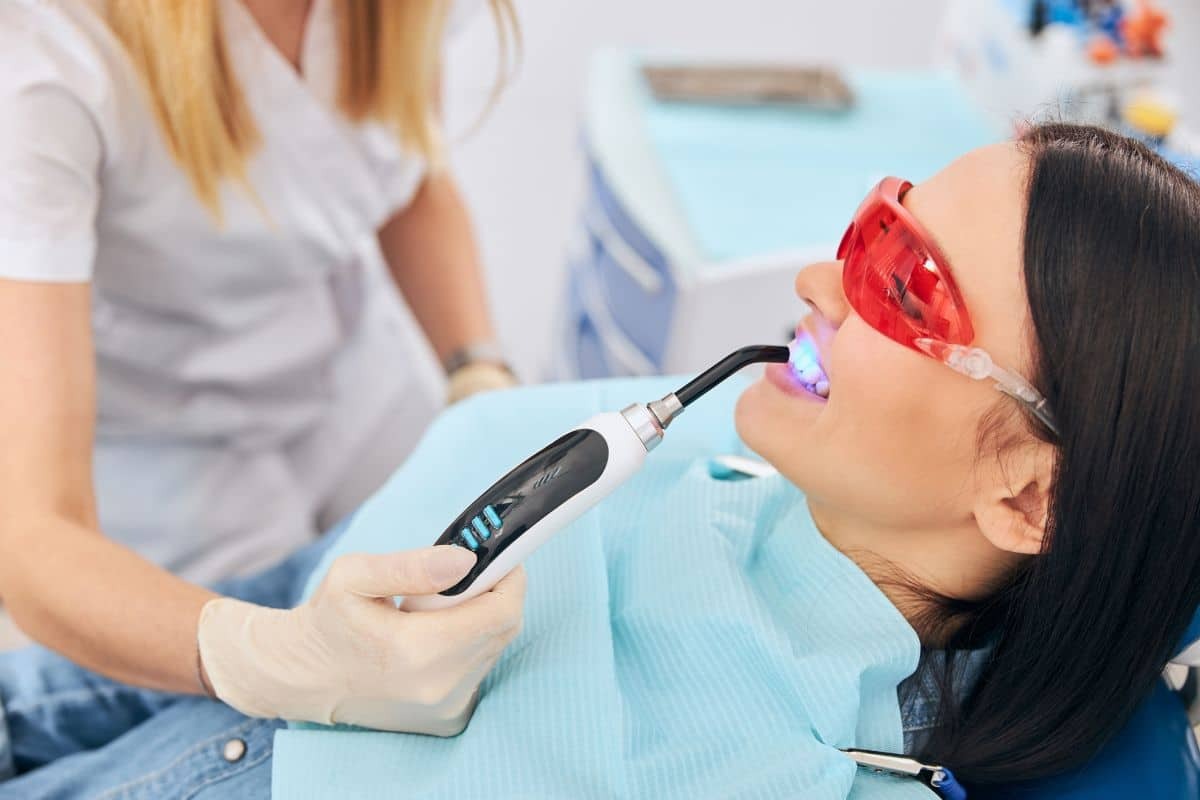
- In-office dental whitening treatment – Supervised by professionals, delivering faster, more controlled results.
Maintaining a Brighter Smile
Whitening is only part of the equation. To maintain your new smile:
- Brush twice daily with fluoride toothpaste.
- Floss every day to remove stain-trapping plaque.
- Rinse with water after coffee, tea, or red wine.
- Limit dark drinks, soda, and smoking.
Good habits can extend the life of your whitening teeth treatment and keep your smile shining.
So, are whitening strips bad for your teeth? Not if used responsibly. While whitening dental strips offer a convenient and cost-effective option, they must be used correctly to avoid side effects. If you have concerns or want longer-lasting, safer results, a professional teeth whitening in Amherst may be better.
At Dr. Bob’s Dental Care in Amherst, NY, our team is here to help you choose the safest, most effective path to a brighter smile. Ready to upgrade your smile safely? Book a consultation with your trusted cosmetic dentist in Amherst today!