Can teeth rot under composite bonding? Yes, decay can still develop beneath bonded teeth under certain conditions.
While cosmetic bonding is excellent for repairing chips, gaps, or discoloration, it doesn’t make the tooth entirely immune to decay. This common misconception often leads patients to skip check-ups or ignore early signs of damage.
In this article, we’ll explain what composite bonding teeth are, explore how decay can occur underneath, identify risk factors, highlight warning signs, and share proven prevention tips. We’ll also discuss what to do if you suspect decay beneath your bonded teeth. If you’re in Niagara Falls, understanding these risks can help you protect your restored smile and avoid unnecessary damage.
At Dr. Bob’s Dental Care in Niagara Falls, NY, our team regularly educates patients about maintaining the health and longevity of their bonded teeth through personalized care and advanced monitoring.
What Is Composite Bonding?
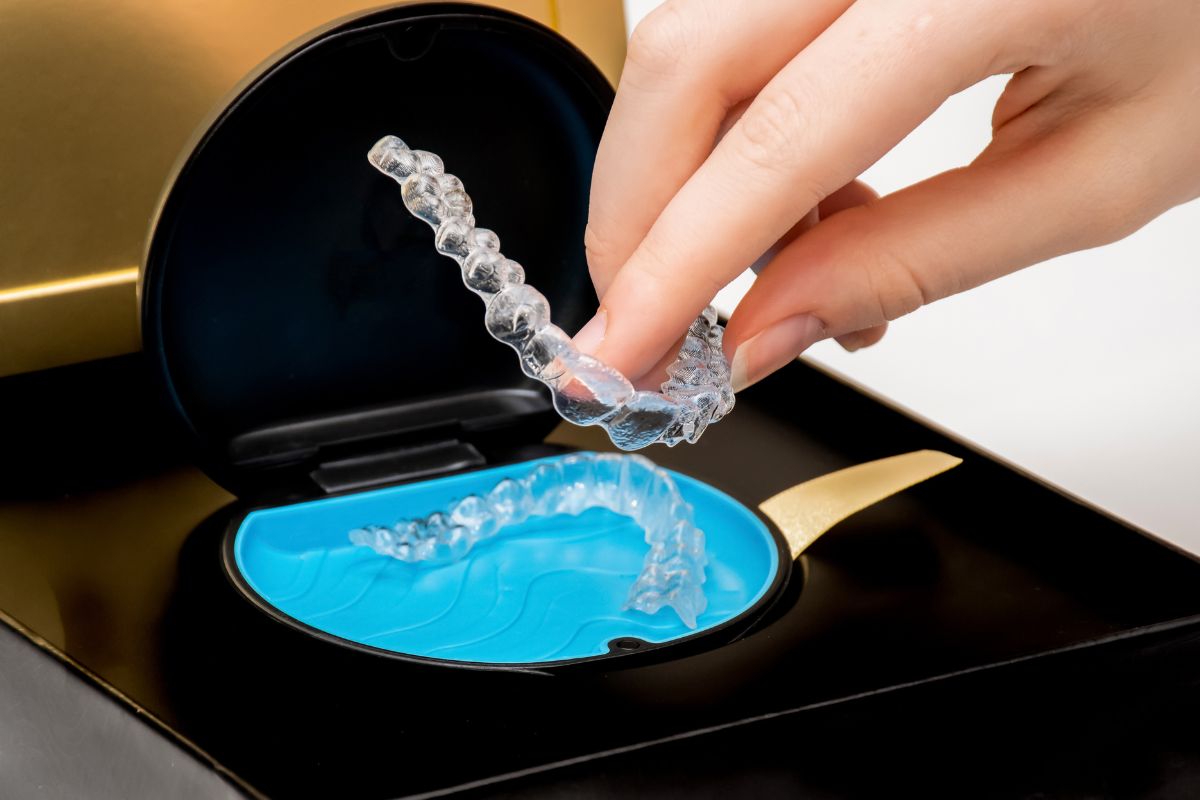
Composite bonding, also called cosmetic bonding for teeth, is a dental procedure that uses a tooth-colored resin to restore or enhance your smile. This tooth bonding process can correct chipped edges, close gaps, reshape uneven teeth, or improve discoloration — often in a single visit.
During the dental bonding procedure, the resin is applied, sculpted, and hardened using a special light to bond it securely to the natural tooth surface. While the resin layer strengthens and beautifies your smile, it doesn’t make your teeth’s composite surface invincible. The underlying enamel and dentin remain vulnerable to decay if bacteria manage to enter through micro-gaps, wear, or poor hygiene.
Can You Get Decay Under Composite Bonding?
The short answer: yes, decay can form beneath bonded areas if conditions allow. Bonding doesn’t cause decay, but it can sometimes mask it or delay early detection. When bonding edges wear down, chip, or lift slightly, bacteria can slip in, leading to hidden decay.
Research, including studies published in the Journal of Adhesive Dentistry and PMC, highlights how microscopic leakage at resin margins can occur over time, especially if the bond weakens due to pressure or poor oral hygiene.
In short, tooth bonding enhances aesthetics but doesn’t eliminate the need for good dental hygiene or regular exams.
What Factors Increase the Risk of Decay Under Bonding?
Poor Oral Hygiene and Plaque Accumulation: Neglecting brushing or flossing allows bacteria to collect around bonded margins. Over time, this plaque can infiltrate beneath the cosmetic bonding teeth, leading to decay that’s often invisible to the naked eye.
Wear, Damage, or Chipping of the Bonded Resin: Daily chewing, grinding, or using your teeth to open packages can wear down resin. Once the cosmetic teeth bonding layer is compromised, microscopic gaps form, inviting bacterial invasion and decay.
Pre-Existing Decay or Poor Technique / Bonding Failure: If a cavity wasn’t fully cleaned before bonding, or the tooth bonding process wasn’t appropriately sealed, decay can continue underneath.
Diet, Lifestyle, and Other Oral Health Habits: A diet high in sugar or acidic foods, frequent snacking, and smoking increase bacterial activity around bonding teeth. Grinding (bruxism) can also cause micro-cracks in the resin.
Signs You Shouldn’t Ignore
Decay under composite bonding teeth can be subtle. Common warning signs include:
- Sensitivity to temperature or sweets
- Dark or shadowy spots near bonded edges
- Rough or raised surfaces
- Persistent bad breath or metallic taste
- Gum tenderness or swelling near the bonded tooth
Because bonded resin can conceal early decay, regular X-rays and exams are essential. If left unchecked, small cavities can progress and make patients think composite bonding ruined my teeth, when in fact, unnoticed decay is the culprit.
How to Prevent Decay Under Composite Bonding
Preventing decay under teeth bonding involves consistent, mindful care:
- Brush twice daily with fluoride toothpaste and use a soft-bristle brush.
- Floss daily to remove debris around bonded margins.
- Rinse with fluoride mouthwash to strengthen enamel.
- Schedule regular cleanings and exams every 6 months.
- Avoid hard foods or non-food items that can chip cosmetic bonding teeth.
- Limit sugary and acidic foods, and rinse your mouth after consuming them.
- Use a night guard if you grind your teeth.
Always ensure your dental bonding procedure is done with high-quality materials and precise technique — marginal seals and correct curing are key. For residents in Niagara Falls, it’s best to choose a cosmetic bonding Niagara Falls provider experienced in both aesthetics and restoration, ensuring long-lasting and decay-resistant results.
What If I Suspect Decay Under My Bonding?
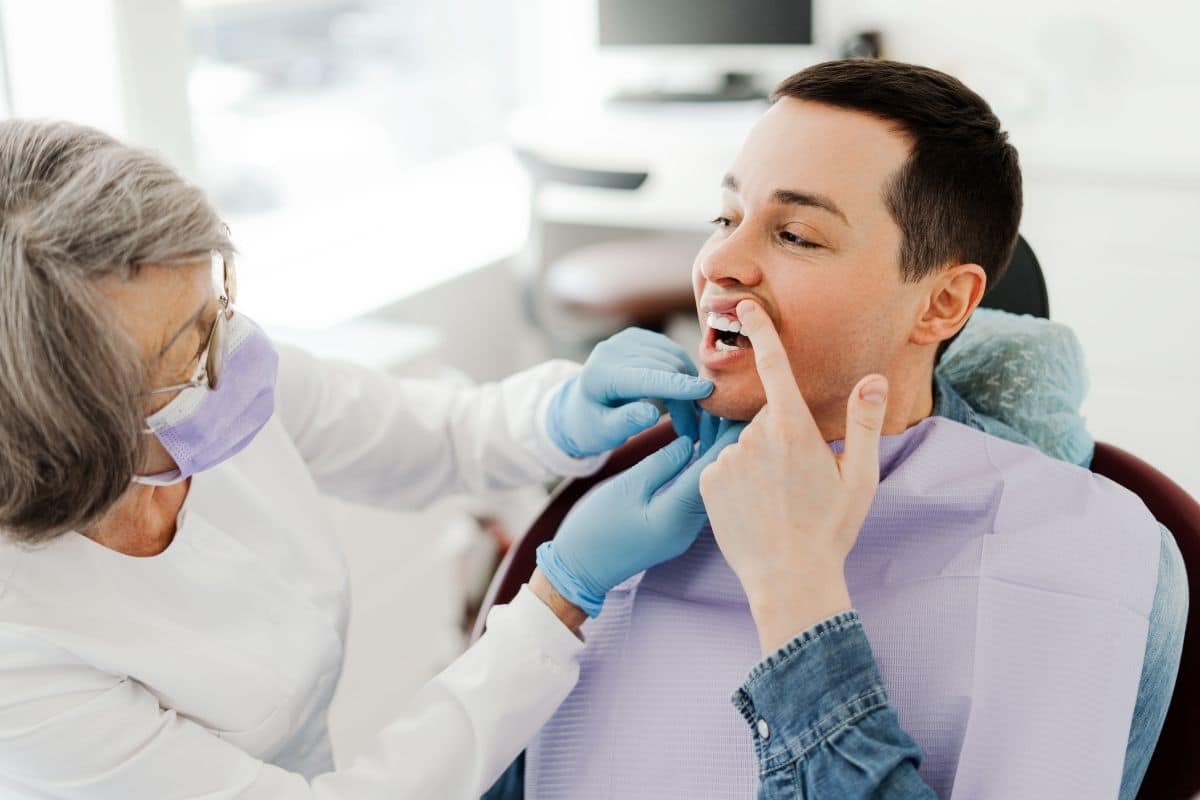
If you notice any of the symptoms mentioned above, schedule an appointment immediately. Your dentist will examine the tooth visually and through X-rays or digital scanning. In some cases, they may need to remove the resin, treat the decay, and reapply cosmetic bonding for teeth, or recommend a veneer or crown for added protection.
Delaying treatment can lead to more extensive decay, requiring root canal therapy or extraction — the so-called “restorative spiral” noted in dentistry.co.uk. Early detection is always less invasive and more cost-effective. Many Niagara Falls clinics now use advanced imaging to check the integrity of tooth composites and marginal health, ensuring thorough decay prevention.
Summary & Take-Home Message
Composite bonding is a reliable and beautiful cosmetic solution, but it’s not decay-proof. Under certain conditions — poor hygiene, resin wear, or faulty technique — decay can develop beneath bonded layers. With proper aftercare, regular check-ups, and high-quality bonding materials, this risk remains minimal.
Stay proactive: monitor your bonded teeth, maintain good hygiene, and ask your dentist about margin health during each exam. This helps avoid issues that make people feel like composite bonding ruined my teeth, when prevention and timely care could have preserved the restoration.
Conclusion
Cosmetic bonding can transform your smile — but only if you protect it. If you’re in Niagara Falls or Western New York and have had tooth bonding or are considering it, schedule a check-up with Dr. Bob’s Dental Care in Niagara Falls, NY. Our skilled team ensures your cosmetic bonding Niagara Falls treatment stays beautiful, strong, and decay-free for years.
Call today to book your consultation and keep your bonded smile healthy and bright.
FAQs
Q. What are the negatives of composite bonding?
A: Composite bonding is less durable than options like porcelain veneers, can chip or crack, stains easily, has a shorter lifespan (5–7 years), and cannot be whitened, so it may need touch-ups or replacement over time.
Q. What are the signs of bad composite bonding?
A: Warning signs include discoloration, rough or chipped surfaces, sensitivity, loose bonding, visible gaps, or changes in your bite. Contact your dentist promptly if you notice any of these.
Q. Does removing composite bonding damage teeth?
A: If done by a professional, removing composite bonding is safe and usually doesn’t harm enamel. Improper or frequent removal can cause minor damage, so always see a dentist.