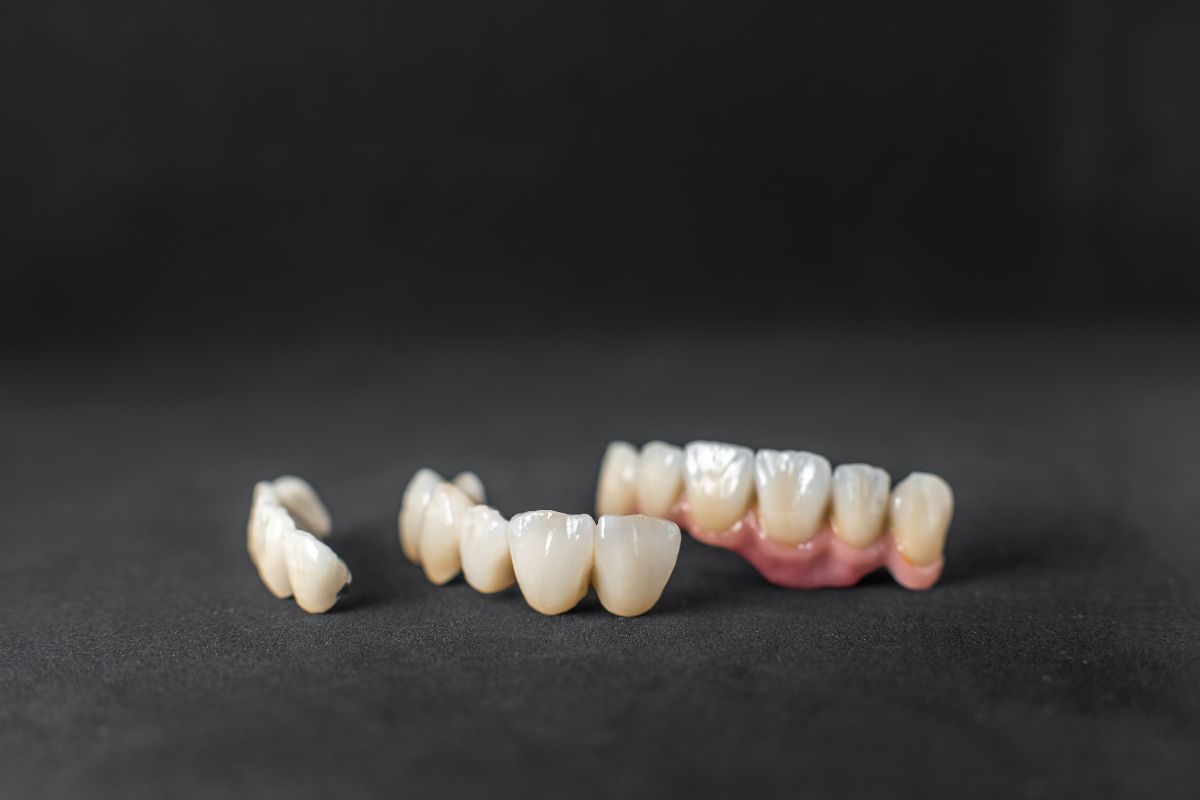
Do teeth go bad under crowns? – Yes — the natural tooth underneath a crown can still decay, weaken, or develop infection if bacteria reach it.
This matters because many patients assume that once a tooth is protected with a restoration, it’s permanently safe. In reality, while crowns protect damaged teeth, they don’t make them immune to problems beneath the surface. In this article, you’ll learn why issues occur under restorations, how dentists detect them, what warning signs to watch for, and how to prevent complications. This guide is especially relevant for patients in Niagara Falls, NY, where long-term dental care and routine check-ups play a key role in preserving restored teeth.
At Dr. Bob’s Dental Care, Niagara Falls, NY, patient education and preventive care are central to helping restorations last as long as possible.
Why Teeth Can Go Bad Under Crowns
Problems under restorations usually develop slowly and silently. Below are the most common reasons dental crowns may fail to protect the underlying tooth long-term.
Micro-Gaps at Crown Margins
Even well-fitted restorations can develop tiny gaps over time. These spaces allow bacteria to enter and cause decay under a crown without visible surface damage.
Wear and Cement Breakdown
The bonding material that holds teeth crowns in place can weaken due to age, chewing forces, or acidic foods, increasing the risk of a cavity under the crown formation.
Poor Oral Hygiene
Plaque accumulation around the edges of crowns for teeth can lead to bacterial penetration, resulting in tooth decay under a crown.
Gum Recession
When gums recede, parts of the tooth underneath the crown become exposed, making it easier for bacteria to cause decay under the crown margins.
Pre-Existing Issues
If early decay wasn’t completely eliminated before placement, it can progress into a decaying tooth under the crown months or even years later.
Bite Forces or Cracks
Grinding or clenching may crack the natural tooth beneath restorations, allowing bacteria to reach deeper layers and potentially cause tooth rotting under the crown.
Common Symptoms & Warning Signs
Dental issues beneath restorations are often subtle. Be alert for these signs, which may indicate tooth decay under crown symptoms or cavity under crown symptoms:
- Sensitivity to hot, cold, or pressure
- Dark discoloration near the edge of the restoration
- A persistent bad taste or foul breath
- A loose or shifting restoration
- Swollen, tender, or bleeding gums
In advanced cases, patients may experience discomfort linked to a rotting tooth under a crown.
How Dentists Diagnose Issues Under Crowns
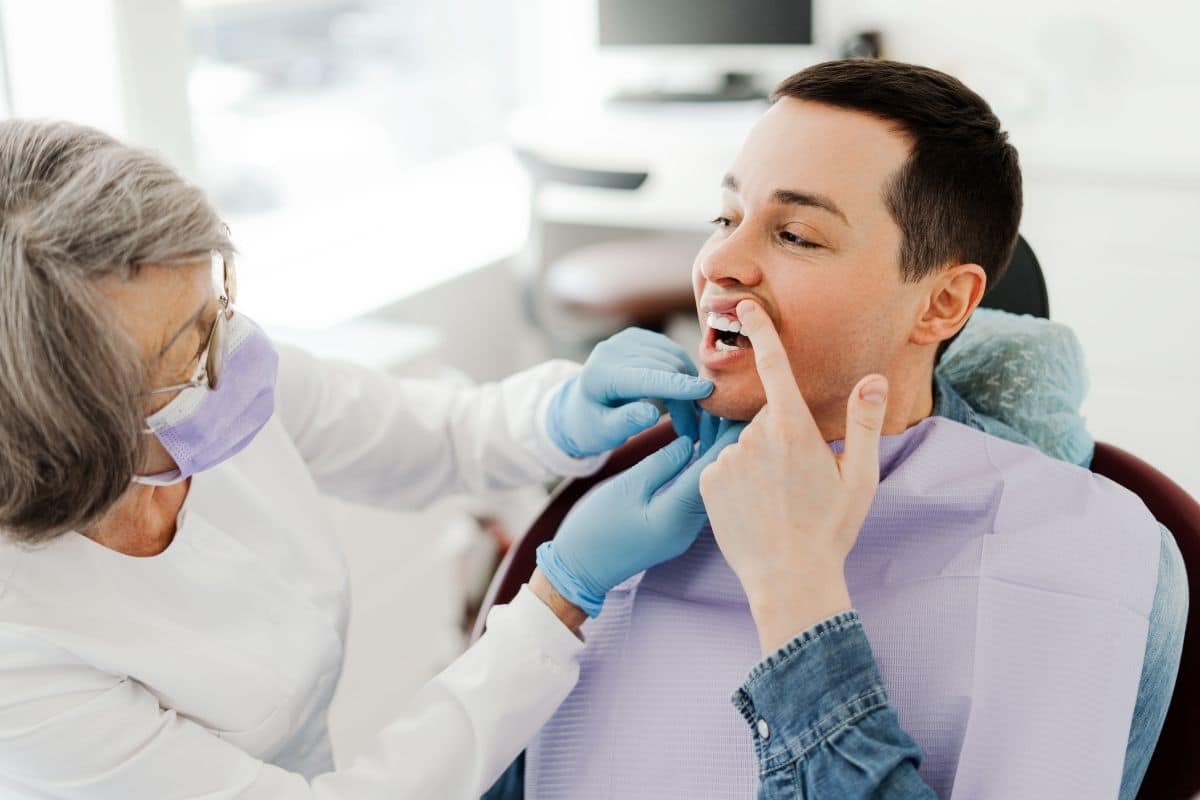
Dentists rely on multiple diagnostic tools to detect tooth decay under a crown, since it’s often not visible.
- Clinical examination to assess crown fit and gum health
- X-rays, which help identify hidden decay and structural damage
- Advanced imaging in complex cases where symptoms persist
Even with modern tools, early decay under a crown can be difficult to detect, reinforcing the importance of regular dental visits.
Treatment Options for Rotten Teeth Under Crowns
Treatment depends on the extent of damage beneath the restoration.
- Removing and replacing the crown when decay is localized
- Cleaning and filling minor areas of a cavity under the crown
- Root canal therapy is necessary if the pulp is infected due to tooth rotting under the crown
- Tooth extraction in severe cases involving rotten teeth under crowns
Early intervention can often save the tooth and prevent complex procedures.
Prevention: Tips for Niagara Falls Patients
Understanding how to prevent tooth decay under crown placement is key to long-term success.
- Brush and floss carefully around the margins of dental crown restorations
- Attend routine dental check-ups for early detection of decay under the crown
- Use fluoride toothpaste to strengthen enamel
- Avoid chewing hard objects that stress the teeth crowns
- Wear a nightguard if you grind, reducing the risk of a rotting tooth under the crown
When to See a Dentist
Contact your dentist promptly if you notice:
- Persistent pain near a restored tooth
- Mobility or looseness of crowns
- Gum swelling or bleeding around the margins
- An unexplained bad taste, which may indicate a decaying tooth under the crown
Timely care can prevent tooth loss and more invasive treatment.
Key Takeaways
So, do teeth go bad under crowns? Yes — while restorations are highly effective, the natural tooth beneath them remains vulnerable to bacteria, wear, and gum changes. Recognizing early symptoms and prioritizing preventive care are the best ways to protect your smile.
If you’re in Niagara Falls, NY, and have concerns about an existing restoration, Dr. Bob’s Dental Care, Niagara Falls, NY, encourages you to schedule a professional evaluation. Early diagnosis can make the difference between saving a tooth and losing it. Book your appointment today to keep your restored teeth healthy and strong.
FAQs
Q. Can you feel decay under a crown?
A: Yes. Pain, lingering sensitivity, or pressure discomfort are common symptoms of tooth decay under the crown and shouldn’t be ignored.
Q. How often should crowned teeth be X-rayed?
A: Typically, every 1–2 years, depending on your individual cavity risk and oral health history.
Q. Does crown type affect decay risk?
A: Some materials, like metal crowns, can make decay harder to detect on X-rays, but any crown can develop a cavity under the crown if the seal breaks.
Q. Should I worry if my crown is 10+ years old?
A: Yes. Older teeth crowns are more prone to margin leakage and crown-related tooth decay, making regular dental check-ups essential.
Q. How long do teeth last under a crown?
A: Dental crowns generally last 5–15 years. Metal and gold crowns often last the longest, while PFM crowns usually last around 10–15 years with proper care.
Q. Is my tooth rotting under my crown?
A: Possible warning signs include persistent pain or sensitivity, gum swelling, bad taste or odor, dark discoloration near the crown, or a change in crown fit.
Q. What happens if the tooth under a crown is black?
A: Darkening under a crown may indicate underlying decay or infection and should be evaluated promptly to prevent further damage.