A chipped molar often feels like a sudden and unexpected problem. Many people assume it happened because of biting something hard or an accidental impact. While those are common causes, another factor is often overlooked: daily stress.
A growing number of patients who visit a dentist are discovering that their chipped or worn teeth are not just the result of physical damage. Instead, they are linked to chronic stress and its effects on the body, particularly through a hormone called cortisol.
If you have recently noticed a chipped tooth and started searching for a dentist near me, understanding this connection can help you prevent further damage and protect your long-term oral health.
Common Causes of a Chipped Molar
Before exploring the role of stress, it is important to understand the typical causes of a chipped molar.
These include:
- Biting hard foods such as ice, nuts, or hard candy
- Accidental trauma or injury
- Weak enamel due to decay or erosion
- Large fillings that weaken tooth structure
- Teeth grinding or clenching
While these causes are well known, many cases involve a combination of factors. One of the most significant underlying contributors is unconscious grinding, which is often linked to stress.
A visit to a dentist in Niagara Falls can help identify whether your chipped molar is part of a larger pattern.
The Hidden Cause: Stress and Teeth Grinding
Teeth grinding, also known as bruxism, is one of the most common yet overlooked causes of dental damage.
Many people grind or clench their teeth without realizing it. This often occurs during sleep, but it can also happen during the day, especially in moments of concentration or tension.
Chronic stress plays a major role in this behavior.
When stress levels rise, the body responds by tightening muscles. This includes the muscles in the jaw. Over time, this constant tension leads to grinding and clenching, which places excessive pressure on the teeth.
A Niagara Falls dentist may recognize signs of bruxism even before a patient becomes aware of the habit.
How Cortisol Affects Your Oral Health
Cortisol is commonly referred to as the stress hormone. It is released by the body in response to stress and helps regulate various bodily functions.
When cortisol levels remain elevated over time:
- Muscle tension increases
- Jaw clenching becomes more frequent
- Sleep quality may decrease
- Inflammation in the body can rise
These changes create the perfect conditions for teeth grinding.
The repeated pressure from grinding can weaken enamel, create microcracks, and eventually lead to visible damage, such as a chipped molar.
Patients who visit a dentist near me with unexplained tooth damage are often surprised to learn that stress may be a contributing factor.
Signs You May Be Grinding Your Teeth
Since bruxism often occurs during sleep, many people are unaware that it is happening.
However, there are several warning signs:
- Jaw pain or tightness, especially in the morning
- Frequent headaches or facial discomfort
- Teeth that appear worn or flattened
- Increased tooth sensitivity
- Chipped or cracked molars
- Clicking or popping in the jaw
If you are experiencing any of these symptoms, it is important to consult a dentist in Niagara Falls for a thorough evaluation.
Why Molars Are More Vulnerable
Molars are designed to handle the force of chewing, but they are also the most affected by grinding.
This is because:
- They bear the highest pressure during biting
- Grinding forces are concentrated in the back of the mouth
- Their surface area makes them more prone to cracks under stress
When excessive force is applied repeatedly, even strong molars can develop fractures or chips.
A skilled dentist can assess whether the damage is isolated or part of a broader pattern of stress-related wear.
Long-Term Effects of Stress on Your Teeth
Ignoring the connection between stress and oral health can lead to more serious problems over time.
Potential long-term effects include:
- Progressive enamel wear
- Deep cracks or fractures in teeth
- Increased sensitivity to hot and cold
- Damage to dental restorations
- Jaw disorders, such as TMJ issues
These conditions not only affect your oral health but can also impact your overall comfort and quality of life.
Early intervention by a Niagara Falls dentist can help prevent these complications.
How a Dentist Diagnoses Stress-Related Damage
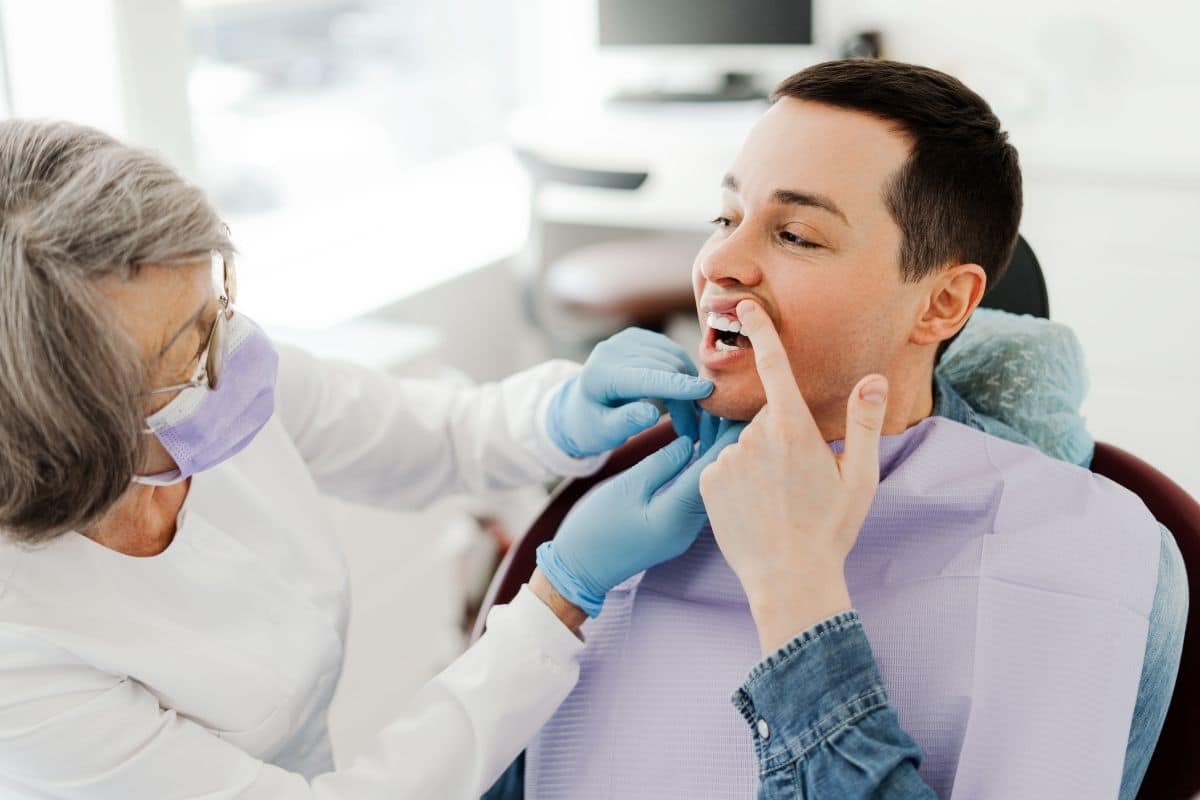
A dentist uses several methods to determine whether stress and grinding are contributing to dental issues.
These may include:
- Examining wear patterns on teeth
- Checking for cracks or fractures
- Evaluating jaw alignment and muscle tension
- Reviewing patient history and symptoms
This comprehensive approach allows a dentist near me to identify the root cause of the problem and recommend appropriate treatment.
Treatment Options for a Chipped Molar
Treatment depends on the severity of the damage.
Common options include:
Dental Bonding
Used for minor chips to restore the tooth’s shape and appearance.
Dental Crowns
Dental crowns are recommended by a dentist for larger fractures to protect and strengthen the tooth.
Night Guards
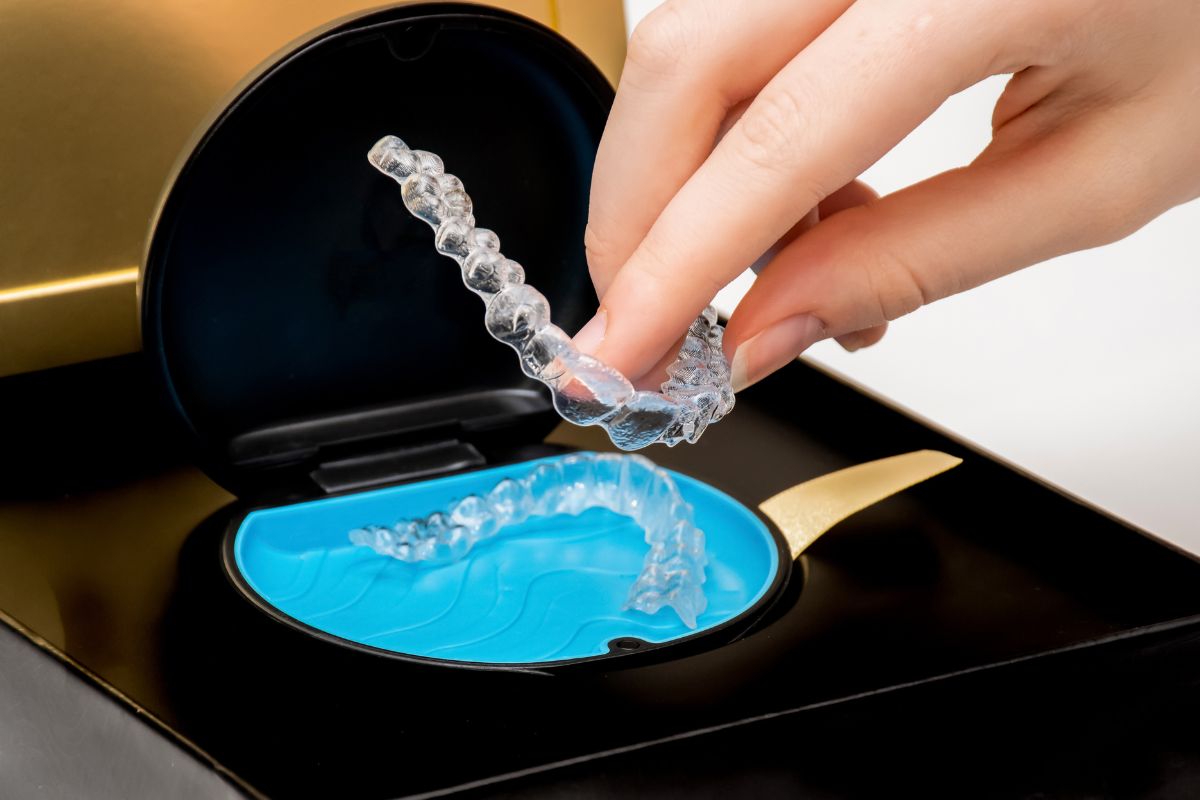
Custom appliances that protect teeth from grinding during sleep.
Bite Adjustment
In some cases, minor adjustments can reduce pressure on specific teeth.
A personalized treatment plan from a dentist in Niagara Falls ensures that both the symptom and the underlying cause are addressed.
How to Prevent Stress-Related Tooth Damage
Preventing further damage requires addressing both dental care and lifestyle factors.
Protect Your Teeth
A custom night guard can significantly reduce the effects of grinding.
Improve Oral Hygiene
Regular brushing, flossing, and dental checkups help maintain strong teeth.
Manage Stress
Incorporating stress reduction techniques such as exercise, relaxation, or mindfulness can help lower cortisol levels.
Stay Consistent With Dental Visits
Routine evaluations allow early detection of wear and prevent more serious issues.
Working with a trusted dentist near me ensures that preventive care is tailored to your needs.
Common Patient Concerns
Patients often have questions when they learn that stress may be affecting their teeth.
“How did my tooth chip without pain?”
Small cracks can develop over time and may not cause immediate discomfort.
“Is this serious?”
A chipped molar can worsen if left untreated. Early care is recommended.
“Will it happen again?”
Without addressing grinding, additional damage is possible.
“Can stress really affect teeth?”
Yes. Chronic stress and elevated cortisol levels can contribute to grinding and dental wear.
Protecting Your Smile With Dr. Bob’s Dental Care in Niagara Falls
A chipped molar is not always an isolated issue. It can be a sign that your teeth are under constant pressure, often linked to daily stress.
Recognizing this connection allows you to take action before more serious damage occurs.
At Dr. Bob’s Dental Care, Niagara Falls, patients receive comprehensive care that addresses both the symptoms and the underlying causes of dental concerns. From restoring chipped teeth to preventing future damage, every treatment plan is designed with long-term oral health in mind.
If you have noticed a chipped tooth or symptoms of grinding, now is the time to act.
Schedule your appointment at Dr. Bob’s Dental Care in Niagara Falls today and take the first step toward protecting your smile and overall well-being.