You just walked out of the dental chair with a noticeably brighter smile, and the last thing you want is to undo all of that in a single meal. Whether you’ve taken a celebratory bite or stopped for a slice, it’s worth taking a moment before you dig in. The 24 to 72 hours after a whitening session are critical, and what you put in your mouth during this window makes the difference between results that last and results that fade fast.
According to the American Dental Association (ADA), teeth whitening is the most popular cosmetic dental procedure performed in the United States today, and that popularity keeps growing.
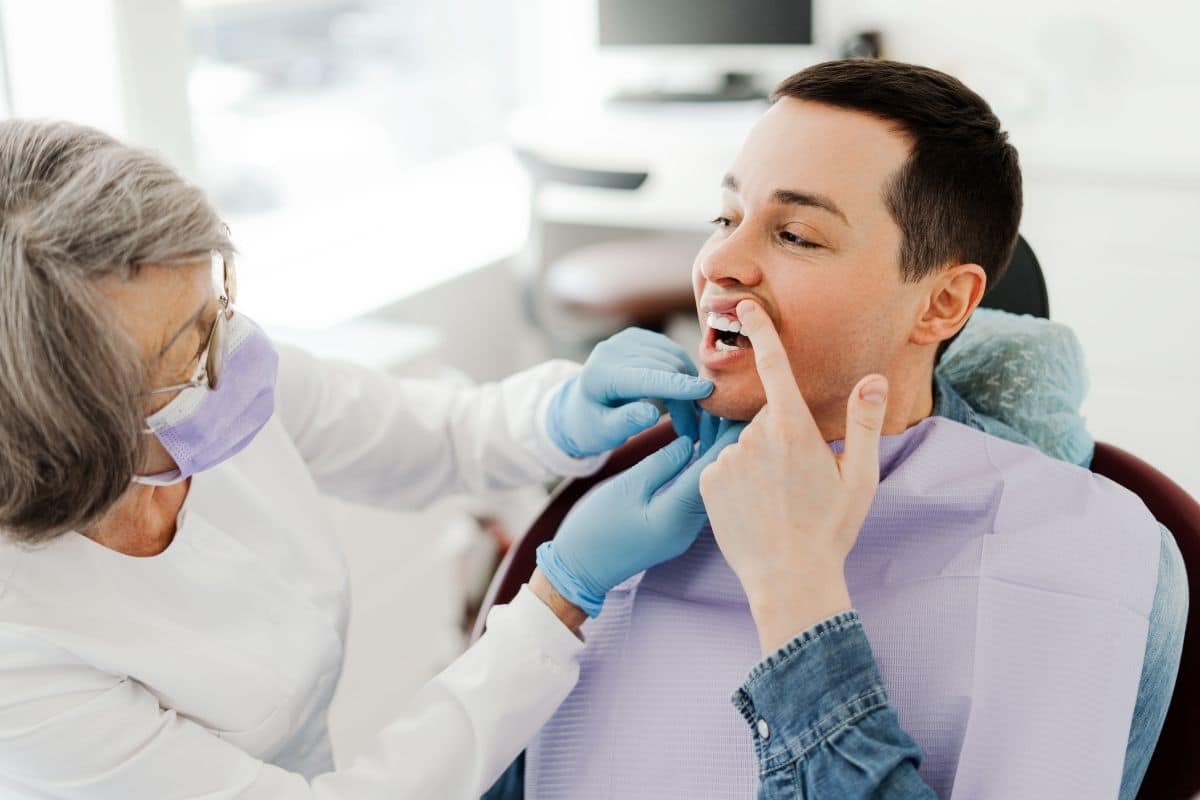
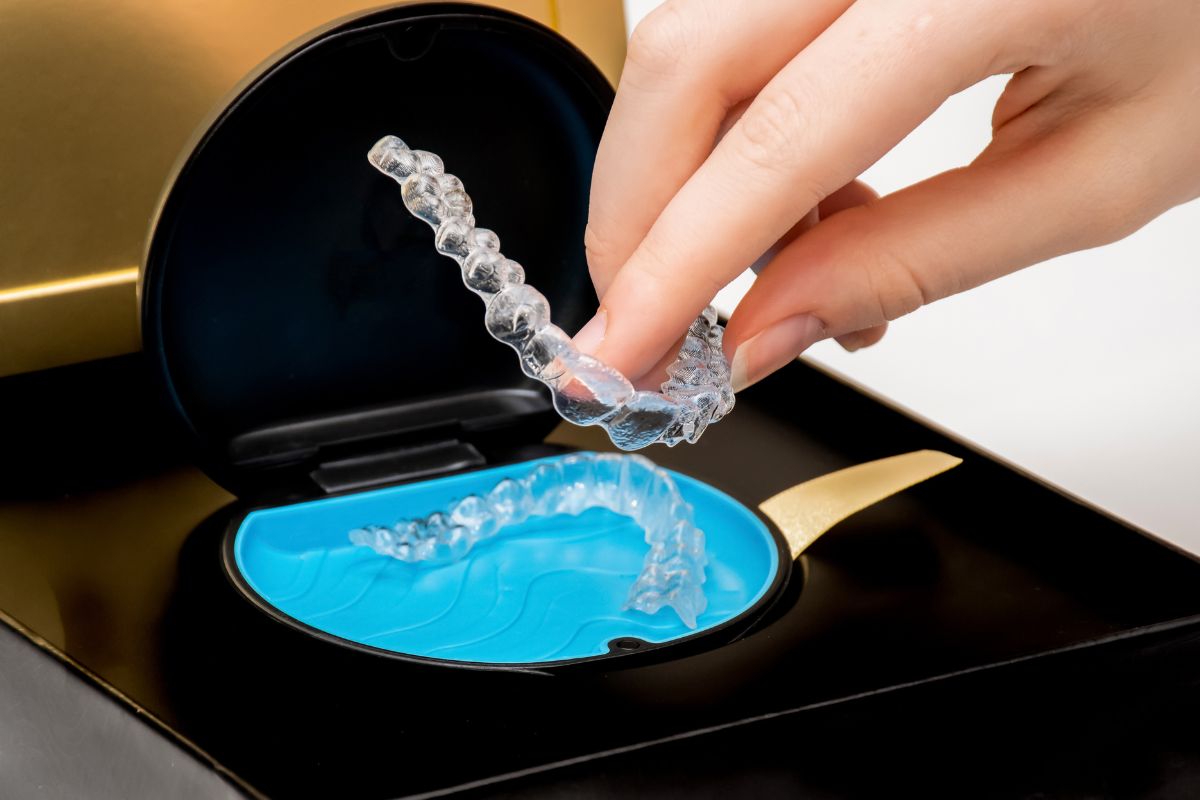
At Dr. Bob’s Dental Care, located right here in the community, patients receive either a fast, one-hour in-office whitening treatment using a high-strength gel activated by a special light, or custom-fit take-home trays paired with professional-grade whitening gel for gradual results over about two weeks. Dr. Bob and the team understand that protecting your investment starts the moment you leave the office, so if you’re ready to get started or want guidance before your treatment, request an appointment today.
Why Your Teeth Are More Vulnerable Right After Whitening
Here is something most patients don’t realize: teeth whitening works by temporarily opening the pores of your enamel, allowing the whitening agent to break up deep-set stains. As a result, your enamel stays slightly more porous and more absorbent for up to 72 hours post-treatment.
During this window, pigmented foods and drinks can penetrate the enamel far more easily than they normally would, essentially re-staining the tooth surface before it has had a chance to remineralize and close those pores. This is also why you may notice mild sensitivity right after treatment; the enamel is in a temporary, more reactive state.
The Foods and Drinks You Must Avoid After Teeth Whitening
Here are the edibles that you need to avoid after a whitening session:
Dark-Colored Beverages
Coffee, black tea, red wine, dark sodas like cola, and fruit juices such as grape juice or cranberry juice are among the biggest offenders. These drinks are packed with chromogens, highly pigmented molecules that bond directly to tooth enamel. Drinking them within 48 hours of your whitening session is essentially pouring color back onto teeth you just brightened.
If you’re someone who can’t begin a morning without coffee, and let’s be honest, that describes most of us, try using a straw to minimize contact with your teeth, or switch to a light-colored herbal tea or plain water for the first couple of days.
Tomato-Based Foods and Sauces
Pasta with marinara, pizza sauce, ketchup, and tomato soup are all high in both acid and deep pigmentation. The acidity erodes enamel slightly, while the red pigment rushes in to take advantage. If you’ve been planning to visit Forno Napoli or Campobello’s Cucina Italiana right after your appointment, it might be worth saving that outing for a few days down the road; your newly whitened smile will thank you.
Berries and Deeply Colored Fruits
Blueberries, blackberries, cherries, pomegranates, and even dark grapes are nutritionally excellent choices, but they are loaded with dark pigments that stain aggressively. The same goes for berry smoothies and acai bowls, which have become increasingly popular breakfast choices. Hold off on these for at least 48 to 72 hours.
Curry and Turmeric-Rich Foods
Turmeric is one of the most aggressive staining spices known. Curries, yellow mustard, and turmeric-laced dishes can noticeably discolor teeth even under normal circumstances. After whitening, when enamel pores are open, exposure to turmeric can reverse your results within a single meal.
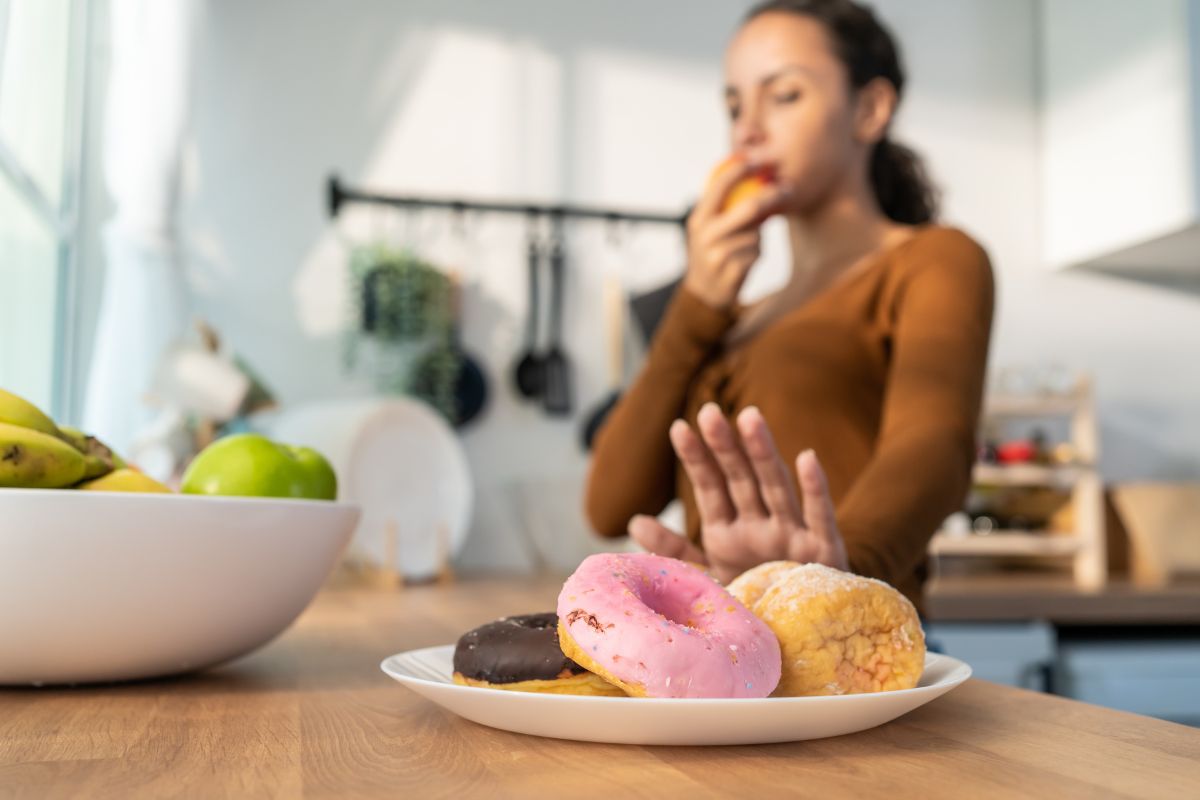
Candy, Colored Sweets, and Dark Chocolate
Hard candies with artificial dyes, gummy bears, lollipops, and dark chocolate all fall into the avoid category for the first few days. Dark chocolate contains tannins, the same compounds found in red wine, which bond easily to tooth enamel. Opt for white chocolate if you need something sweet, or simply hold off.
Red Meat and Dark Marinades
Heavily marinated meats, especially those prepared with dark sauces, BBQ rubs, or red wine reductions, carry pigments that can transfer to your teeth. This might be a tricky rule to follow for Buffalo-area locals who love a good beef on weck, a regional staple, but even a brief pause of 48 hours before you enjoy it will protect your results significantly.
Tobacco Products
Smoking or using any tobacco product after whitening is one of the quickest ways to sabotage your treatment. Tobacco causes some of the most stubborn, deep-set staining available, yellowish-brown deposits that professional whitening works hard to remove. Lighting up right after treatment essentially reverses the process within hours.
The “White Diet” – What You Can Eat
During the first 48 to 72 hours after teeth whitening in Amherst, patients are encouraged to follow what dental professionals call a “white diet”, foods that are low in pigmentation and low in acidity. Good options include:
- White rice, pasta with light cream or Alfredo sauce (no tomato)
- Chicken or turkey breast (grilled or baked, without dark marinades)
- White fish such as tilapia, cod, or flounder
- Scrambled, poached, or hard-boiled eggs
- Bananas, pears, and white peaches
- Cauliflower, white mushrooms, and cucumber
- Milk, plain yogurt, and white cheese
- Plain water and clear herbal teas
It sounds restrictive, but it only lasts a few days. After that, your enamel will have remineralized sufficiently to handle your regular diet.
Long-Term Habits That Keep Your Smile Bright
Once your whitening results are fully set, maintaining them is largely a matter of smart daily habits:
- Rinse after staining foods and drinks: A simple water rinse after coffee or red wine flushes chromogens away before they settle.
- Use a whitening toothpaste: A gentle whitening formula used daily can maintain your results between professional treatments.
- Stay hydrated: Saliva is your mouth’s natural defense mechanism; it dilutes pigments and remineralizes enamel. Drinking plenty of water throughout the day is one of the simplest protective habits you can build.
- Schedule periodic touch-ups: One of the advantages of professional take-home trays from your dentist is that they are reusable, so future touch-up sessions become far more affordable and convenient.
A Note on Tooth Sensitivity Post-Whitening
Some patients experience mild sensitivity to cold temperatures or certain foods for 24 to 48 hours after treatment. This is completely normal. Avoid extremely hot or cold foods and beverages during this period. Sensitivity toothpaste containing potassium nitrate can provide relief, and your dental team can recommend specific products tailored to your needs.
Maintain a Brighter Smile With Our Professional Whitening Session
When you opt for quality teeth whitening in Amherst, it delivers real, visible results, but only when the post-care steps are followed correctly. The treatment lifts years of staining from coffee, wine, and everyday foods, but the enamel needs time to recover and reseal before it can withstand those elements again. Think of post-whitening care not as a restriction, but as protection, a short-term commitment that preserves a long-term result.
When you receive treatment at Dr. Bob’s Dental Care in Amherst, you don’t just leave with a brighter smile; you leave with a complete care plan, so you know exactly what to do next. Keeping patients informed and confident is a core part of the personalized care this practice delivers, from your first visit to every follow-up.
Frequently Asked Questions
Q1: How long should I avoid staining foods after teeth whitening?
Avoid deeply pigmented foods and drinks for at least 48 to 72 hours after your whitening session. This window allows your enamel to fully remineralize and close the temporarily opened pores from treatment.
Q2: Can I drink coffee through a straw after teeth whitening?
Using a straw minimizes direct contact between coffee and your teeth, reducing staining risk somewhat. However, completely avoiding coffee for the first 48 hours is the safest approach for maintaining your whitening results.
Q3: Is it okay to eat pizza after teeth whitening?
No, tomato sauce is highly acidic and deeply pigmented, making it one of the top foods to avoid right after whitening. Wait at least 48 to 72 hours before enjoying pizza with red sauce.
Q4: Can I eat fruit after getting my teeth whitened?
Light-colored fruits like bananas, pears, and white peaches are safe choices. Dark berries such as blueberries, blackberries, and cherries should be avoided for the first two to three days post-treatment.
Q5: How long do professional teeth whitening results last?
With good maintenance habits, professional whitening results typically last six months to two years. Results vary based on diet, oral hygiene routine, and whether patients use take-home trays for periodic touch-ups.
Q6: Does teeth whitening cause permanent sensitivity?
No, sensitivity after whitening is temporary, typically resolving within 24 to 48 hours. Using a sensitivity-formulated toothpaste before and after treatment can help minimize discomfort during this recovery period.
Q7: Can I drink red wine the night after teeth whitening?
Red wine is one of the most potent staining agents for tooth enamel and should be completely avoided for at least 72 hours after whitening. Drinking it too soon significantly increases the likelihood of staining your freshly whitened teeth.