Coffee, tea, red wine, tobacco, and even aging can leave teeth looking dull or discolored. If you’ve started hiding your smile in photos or feel less confident during conversations, you may be wondering whether whitening or bonding is the better option. At Dr Bob’s Dental Care, Dr. Bob helps patients understand which cosmetic treatment matches their goals, lifestyle, and the cause of their tooth discoloration.
For many patients considering teeth whitening in North Buffalo, the answer depends on whether the stains are on the surface of the enamel or caused by bigger changes inside the tooth. This guide explains how each treatment works, who benefits most, and what to expect so you can make an informed decision. Whether you are living anywhere in North Buffalo, Kenmore, Amherst, Tonawanda, or Elmwood Village, understanding your treatment options is the first step toward a brighter, healthier-looking smile.
What Is the Difference Between Whitening and Bonding?
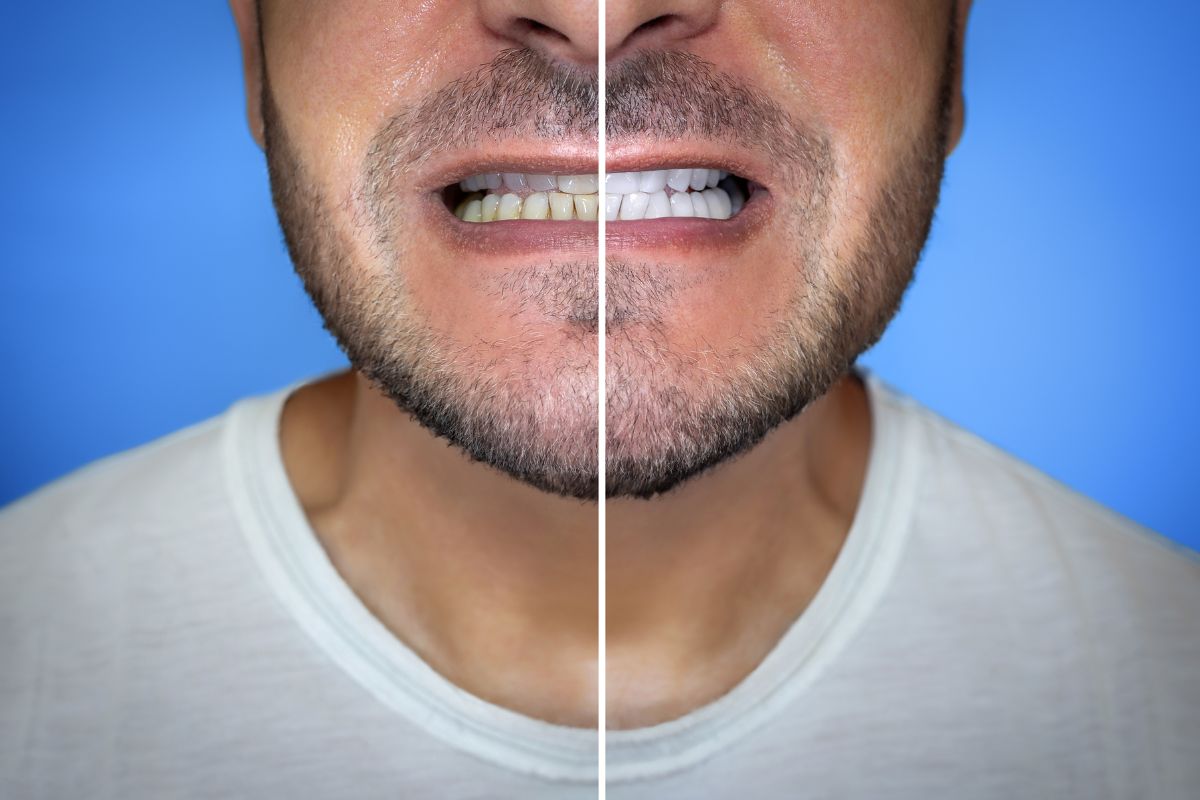
Whitening removes or lightens stains from natural teeth, while bonding covers discoloration by applying a tooth-colored resin to the front of the tooth.
Although both treatments improve the appearance of stained teeth, they work in very different ways.
Whitening works by lightening natural enamel
Professional whitening uses carefully formulated bleaching agents that penetrate the enamel and break apart stain molecules. This approach is ideal for many common types of discoloration caused by:
- Coffee and tea
- Red wine
- Tobacco use
- Certain foods
- Natural aging
Because the treatment works on natural enamel, it can brighten multiple teeth evenly while preserving your existing tooth structure.
Bonding improves the tooth’s appearance by covering imperfections
Instead of removing stains, bonding places a composite resin over the visible portion of the tooth. The material is shaped and polished to blend naturally with surrounding teeth.
Bonding is often recommended when discoloration occurs alongside:
- Small chips
- Minor cracks
- Uneven edges
- Small gaps
- Irregular tooth shape
This makes it both a cosmetic and restorative option.
What Types of Stains Respond Best to Each Treatment?
Not every stain responds the same way. Identifying the source of discoloration is one of the most important parts of choosing treatment.
Surface stains
Surface stains affect the outer enamel and are commonly caused by everyday habits.
Examples include:
- Drinking coffee every morning
- Frequent tea consumption
- Smoking or chewing tobacco
- Colored beverages such as cola or red wine
These stains usually respond very well to professional whitening.
Deep internal stains
Some discoloration develops beneath the enamel. These stains may result from:
- Previous dental trauma
- Certain medications
- Developmental conditions
- Teeth that have darkened after root canal treatment
Because these stains are located inside the tooth, whitening may provide only limited improvement. In these situations, dental bonding can often create a more uniform appearance by masking the discoloration.
A clinical examination is the most reliable way to determine which type of stain you have.
How Long Do the Results Last?
Longevity is an important consideration when comparing cosmetic treatments.
| Treatment | Average Longevity | Maintenance |
|---|---|---|
| Professional whitening | Around 1 to 3 years | Occasional touch-ups and limiting stain-causing habits |
| Bonding | Approximately 5 to 10 years | Regular polishing, good oral hygiene, and avoiding habits that may chip the resin |
Results vary depending on daily habits, oral hygiene, diet, and routine dental care.
For example, someone who drinks several cups of coffee every day may notice whitening fading sooner than someone who mainly drinks water.
Is Whitening or Bonding Better for Your Smile Goals?
The right treatment depends on what you’re hoping to improve.
Professional whitening may be a better choice if you:
- Have healthy natural teeth
- Want a brighter smile overall
- Have mild to moderate staining
- Prefer a conservative cosmetic treatment
Bonding may be more appropriate if you want to improve several concerns at once, including discoloration and minor damage.
Many patients are surprised to know that by combining treatments sometimes produces the most natural-looking result. Whitening can first brighten the surrounding teeth, allowing the bonding resin to match the new shade more accurately.
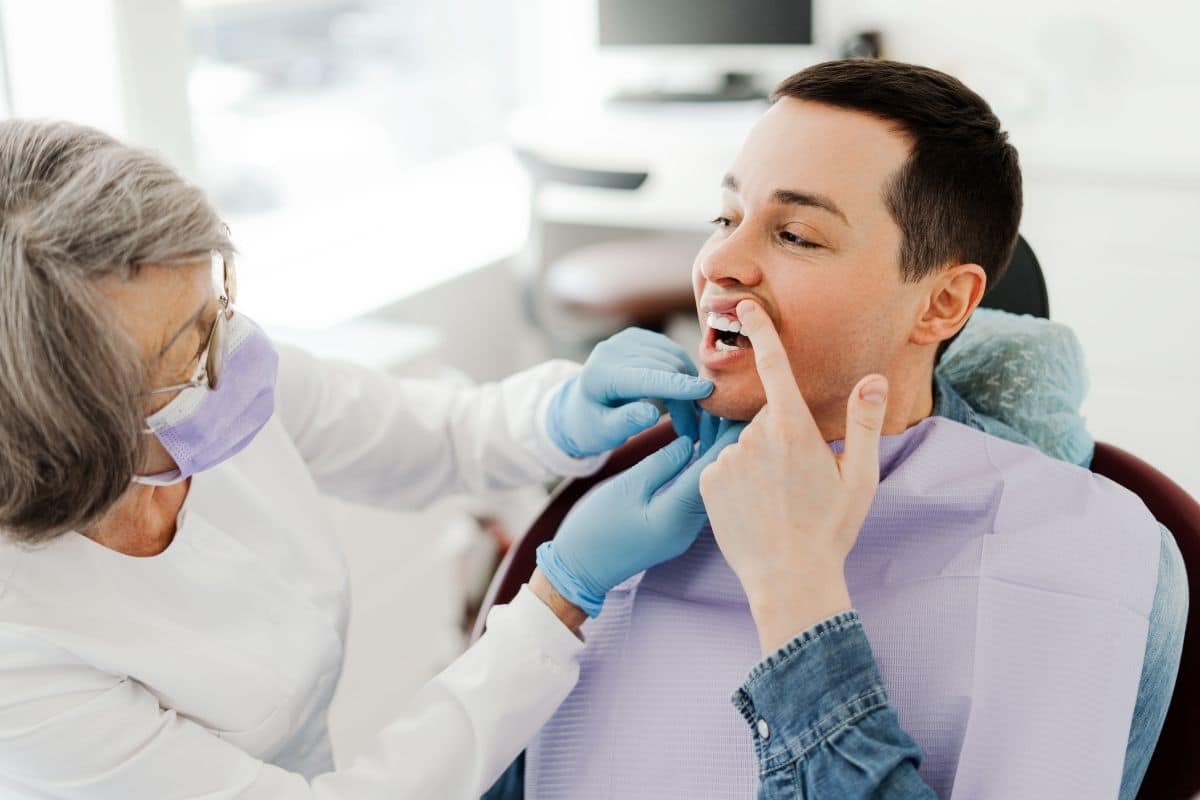
At Dr Bob’s Dental Care, every cosmetic consultation begins with an evaluation of your oral health, smile goals, and your teeth’s condition. A cosmetic dentist in North Buffalo will consider factors such as existing restorations, enamel condition, bite alignment, and the cause of your discoloration before recommending treatment.
Can Whitening Damage Your Teeth?
One of the most common questions patients ask is whether whitening weakens enamel.
The answer is no when performed under professional supervision.
Professional whitening products are designed to brighten teeth without removing healthy enamel. Some patients experience temporary sensitivity for a day or two, but this typically resolves quickly.
If you already have sensitive teeth, exposed roots, untreated cavities, or worn enamel, your dentist may recommend treating those concerns before beginning cosmetic treatment. This helps improve comfort while supporting better long-term results.
Choosing the right treatment isn’t simply about making teeth look whiter. It’s about selecting an option that matches your oral health, expectations, and lifestyle.
Can You Combine Both Treatments?
Yes. In many cases, combining the two treatments creates the most natural and balanced result.
Some patients want brighter teeth overall but also have one or two teeth with chips, stubborn discoloration, or uneven edges. In these situations, dentists often recommend whitening first so the natural teeth reach the desired shade. After the color stabilizes, dental bonding can be matched to the newly brightened smile.
This approach offers several benefits:
- Creates a more even smile color
- Improves tooth shape and symmetry
- Preserves healthy tooth structure
- Delivers natural-looking cosmetic results
A personalized consultation helps determine whether a combination approach is appropriate based on your smile goals and oral health.
How Can You Keep Your Smile Looking Bright?
No cosmetic treatment lasts forever without proper care. Daily habits play a major role in maintaining your results.
To help your smile stay brighter longer:
- Brush twice a day using a fluoride toothpaste.
- Floss daily to remove plaque between teeth.
- Limit coffee, tea, red wine, and dark-colored sodas.
- Avoid tobacco products.
- Drink water after consuming staining foods or beverages.
- Schedule routine professional cleanings.
- Wear a mouthguard if you grind your teeth.
Patients often ask how frequently cosmetic treatments should be refreshed. The answer varies depending on your diet, oral hygiene, and lifestyle. Regular dental visits allow your dentist to monitor your smile and recommend touch-ups only when necessary.
When Should You See a Dentist About Tooth Stains?
Not every stain is purely cosmetic. Sometimes discoloration signals an underlying dental issue that should be evaluated.
Schedule an examination if you notice:
- One tooth becoming darker than the others
- Sudden discoloration after an injury
- Brown or black spots that do not brush away
- White spots developing on enamel
- Sensitivity along with tooth discoloration
- Existing fillings or crowns that no longer match surrounding teeth
These situations may require more than cosmetic treatment. A thorough examination helps identify the cause before deciding on the most appropriate option.
If you’re considering teeth whitening in North Buffalo, a professional evaluation ensures you choose a treatment that addresses the underlying cause of the discoloration rather than simply masking it.
Whitening vs. Bonding: A Quick Comparison
| Feature | Teeth Whitening | Dental Bonding |
|---|---|---|
| Ideal for | Surface stains | Deep stains, chips, gaps, uneven teeth |
| Changes tooth color | Yes | Covers discoloration |
| Alters tooth shape | No | Yes |
| Multiple teeth treated at once | Yes | Usually selected teeth |
| Average treatment time | One or two visits | Usually one visit per tooth |
| Longevity | About 1–3 years | About 5–10 years |
| Maintenance | Periodic touch-ups | Polishing and occasional repairs |
Neither treatment is universally better. The right choice depends on the cause of the discoloration, your cosmetic goals, and the condition of your teeth.
Every smile is different, which is why a professional evaluation is the best way to determine whether whitening, bonding, or a combination of both will provide the results you’re looking for. Rather than guessing which treatment may work, your dentist can identify the source of the discoloration and explain the benefits of each option.
If you’re ready to improve your smile, book an appointment to discuss your cosmetic options and receive personalized recommendations.
Restore Your Confidence at Dr Bob’s Dental Care
A brighter smile starts with choosing the treatment that’s right for your needs. At Dr Bob’s Dental Care, Dr. Bob takes the time to evaluate your teeth, answer your questions, and recommend the most appropriate cosmetic solution based on your oral health and goals. Whether you’re considering teeth whitening in North Buffalo or exploring other cosmetic treatments, you’ll receive honest guidance and patient-focused care.
If stained teeth are affecting your confidence, visit our dental office to learn about your options. Contact us today to schedule your consultation and take the first step toward a healthier, more confident smile.
Frequently Asked Questions
1. How do I know if my tooth stains can be removed with whitening?
Surface stains from coffee, tea, wine, or tobacco often respond well to professional whitening. However, stains caused by injury, medications, or changes inside the tooth may require another cosmetic treatment. A dental examination can determine the source of the discoloration and help you choose the most appropriate option for long-lasting results.
2. Can I get whitening if I already have fillings or crowns?
Whitening products do not change the color of fillings, crowns, veneers, or other restorations. If your existing dental work no longer matches your natural teeth after whitening, your dentist can discuss options to create a more even-looking smile while maintaining a natural appearance.
3. Is bonding a permanent solution for stained teeth?
Bonding is durable but not permanent. The composite resin can last many years with proper care, though it may eventually require polishing, repair, or replacement because of normal wear. Regular dental checkups help keep bonded teeth looking their best and allow any issues to be addressed early.
4. Will whitening make my teeth sensitive?
Some people experience temporary tooth sensitivity after professional whitening, but it usually improves within a day or two. Dentists can adjust the treatment or recommend products that help reduce sensitivity, making the procedure more comfortable while still achieving noticeable improvements.
5. Should I try over-the-counter products before visiting a dentist?
Store-bought whitening products may help mild stains, but they are not suitable for every type of discoloration. Without knowing the cause of the staining, you may spend time and money on a treatment that delivers limited results. A professional evaluation helps identify the right solution and ensures your teeth and gums are healthy before beginning cosmetic treatment.