Are you using the correct teeth whitening method in Amherst, NY?
Maybe, but your smile deserves better clarity.
A bright smile is something everyone notices, but not every teeth whitening method delivers the same results. With numerous whitening kits, strips, and in-office treatments available on the market, it can be challenging to determine which ones actually work and which may cause more harm than good. At Dr. Bob’s Dental Care in Amherst, the focus is on helping patients find whitening options that are safe, effective, and suited to their individual needs.
If you are wondering whether your whitening routine is truly improving your teeth or just creating a temporary brightness. In that case, this guide breaks down everything you should know before your next whitening session.
Understanding How Teeth Whitening Works
Whitening is more than just brushing with a brightening toothpaste. True whitening targets surface and deep-set stains caused by food, drinks, smoking, or aging. The active ingredients, typically hydrogen peroxide or carbamide peroxide, break down stain molecules, leaving enamel lighter and cleaner.
Professional teeth whitening in Amherst uses clinically tested formulas that penetrate the enamel without weakening it. On the other hand, over-the-counter whitening strips or toothpastes may not distribute evenly and can cause sensitivity if overused.
If your goal is consistent shade improvement and enamel protection, always choose dentist-supervised whitening. It’s the most reliable path to results that last and a smile that feels as healthy as it looks.
Who Should Get Whitening and Who Should Wait
Not everyone is ready for a whitening procedure. The right candidate is someone with healthy gums, strong enamel, and no untreated cavities or gum inflammation. Whitening agents can irritate damaged or infected areas, so your dentist will likely recommend addressing those first.
People with dental restorations, such as crowns, veneers, or fillings, should be aware that whitening solutions will not alter the color of these artificial materials. This can lead to uneven shades after whitening teeth treatment. If that’s the case, your dentist may suggest replacing older restorations after the whitening process to achieve a uniform look.
Before beginning a teeth whitening treatment, your dentist will assess the thickness of your enamel, its shade, and any signs of wear. These steps ensure that your results appear natural and balanced, rather than overly bright or blotchy.
Different Ways to Whiten Your Teeth
There’s no one-size-fits-all method for whitening teeth, but here’s what you should know about the most common options:
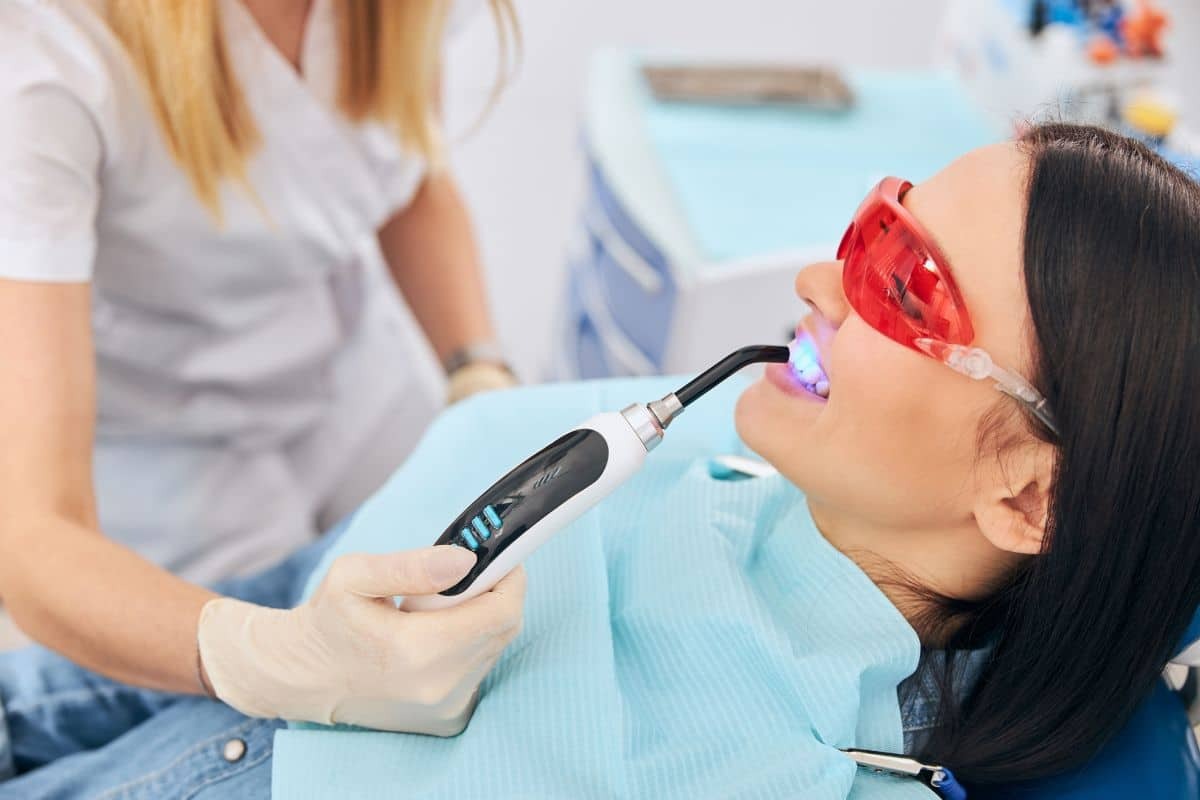
- Professional In-Office Whitening: This method offers instant results in a controlled environment. The dentist applies a powerful gel that works faster and is safer than over-the-counter products. Most patients see a difference in one appointment.
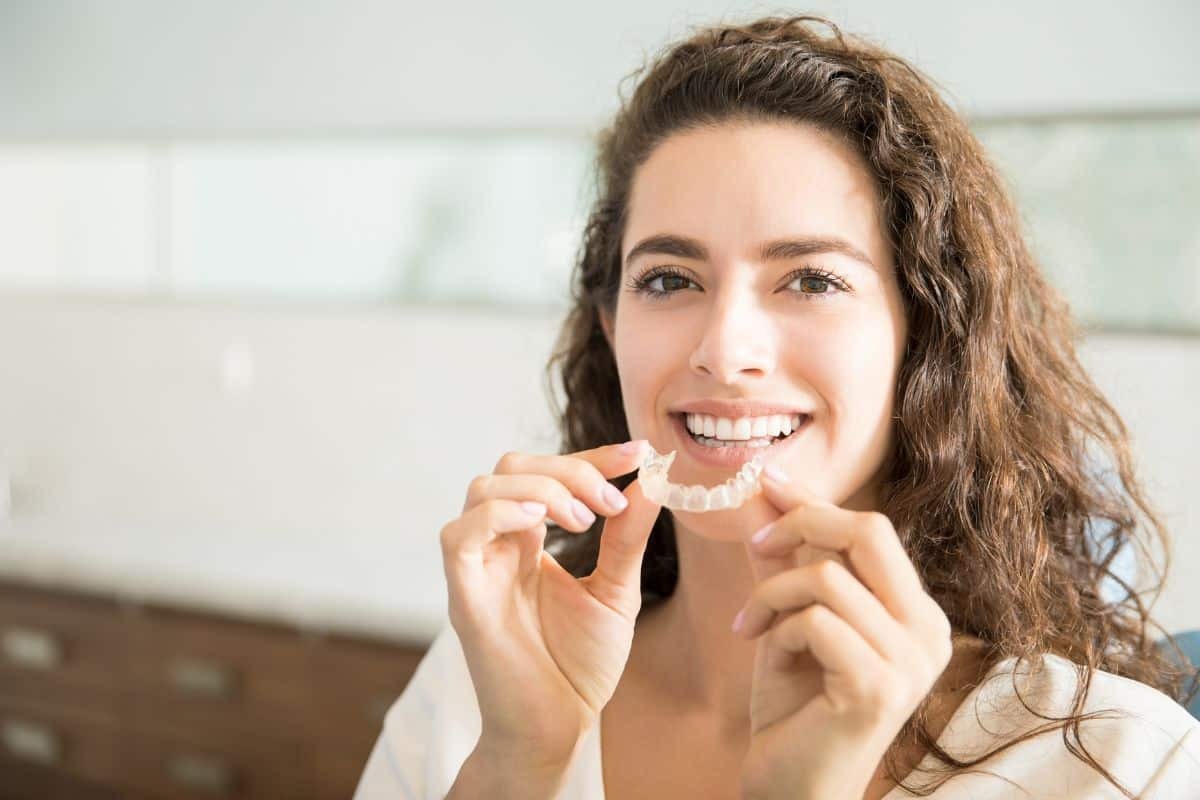
- At-Home Dentist-Guided Whitening Kits: Custom trays made by your dentist fit your mouth precisely and evenly distribute whitening gel. These teeth bleaching kit options are ideal for gradual results with professional oversight.
- Over-the-Counter Whitening Strips for Teeth Whitening: Bleaching strips can lighten minor stains but may miss curved or crowded areas, resulting in uneven shades. They also lack professional-strength protection for enamel.
- Whitening Toothpaste or Mouthwash: These help maintain results after treatment but rarely remove deep stains alone. They’re perfect as part of a maintenance plan, not as your main whitening method.
If you’re unsure where to begin, consult with a “dentist near me” before trying any new product. Professional guidance ensures you’re using safe concentrations and proper techniques.
How to Tell If You’re Using the Right Method
Here’s how to know if your current whitening approach truly works:
- Your teeth look naturally brighter. The result should be radiant, not overly white or chalky.
- You experience no sensitivity or pain. Discomfort signals the use of overly harsh chemicals or improper application.
- Your gums look healthy. Redness or irritation can indicate that your whitening formula is too strong.
- You see even results. Uneven coloration shows that the whitening product isn’t covering all surfaces evenly.
If you’re seeing patchy or dull results, you might be using the wrong concentration or method. A professional can determine whether your teeth bleaching treatment is suitable for your enamel type and stain level.
Maintaining Whiter Teeth for the Long Term
The success of whitening doesn’t stop at the dentist’s chair. Maintenance is the secret to keeping your smile luminous. Follow these habits to make your results last:
- Avoid foods that stain, such as coffee, tea, red wine, and soy sauce.
- Brush gently with a soft-bristle brush and fluoride toothpaste.
- Floss daily to remove plaque that dulls brightness.
- Schedule periodic touch-ups under professional care.
Most dentists recommend a checkup at least once a year. With routine care and help from a trusted teeth whitening near me provider, your whiter teeth can stay bright and healthy all year.
Why Professional Supervision Matters?
DIY whitening kits often promise fast results but can lead to enamel erosion if used incorrectly. Overuse or prolonged exposure to bleaching agents causes sensitivity, gum irritation, and sometimes uneven tones.
Professional dental whitening ensures the safest balance between effectiveness and comfort. Dentists use controlled formulas and precise timing to protect your gums while lifting stains evenly. Unlike random online kits, their products are pH-balanced and enamel-safe.
If you’re considering at-home options, ask your dentist for a dentist-approved whitening treatment. This ensures safety and predictable results, without risking long-term damage to the enamel.
How to Choose the Right Whitening Plan
Choosing between professional treatments, at-home kits, or teeth whitening strips depends on your goals, timeline, and oral health.
- For instant results, professional in-office treatments are ideal.
- For gradual brightening, custom trays or kits give you flexibility.
- For quick touch-ups, whitening strips or pens can maintain your results temporarily.
If you’re uncertain about which option fits your lifestyle, your teeth whitening nearby provider can create a plan that meets your needs safely.
Brighten Your Smile the Right Way
Choosing the proper dental bleaching procedure is about more than brightness; it’s about protecting your enamel and enhancing your confidence. A professional evaluation ensures that the products and methods you use truly align with your dental health and aesthetic goals. If you’ve been unsure about your current whitening routine, make a consultation today to explore better options and enjoy long-lasting brightness.
For personalized care and professional-grade results, visit Dr. Bob’s Dental Care, your trusted Amherst cosmetic dentist. Our team provides guidance and whitening options that perfectly fit your smile and comfort. Don’t wait, contact a local dental clinic today and discover how professional care can safely transform your smile.
FAQs
Q. How long do whitening results last?
A: Results typically last 6–12 months with good oral hygiene and regular dental cleanings.
Q. Can I whiten my teeth at home safely?
A: Yes, but only under dental supervision. Your dentist can guide you on product strength and duration.
Q. Do whitening treatments damage enamel?
A: Not when performed correctly. Professional treatments protect enamel with balanced formulas.
Q. Are whitening results instant?
A: In-office treatments often show immediate improvement, while at-home kits take several weeks.
Q. Why do some people get sensitive teeth after whitening?
A: Sensitivity occurs when peroxide penetrates enamel too deeply. Using professional-grade products reduces this risk.
Q. Can teeth with fillings or crowns be whitened?
A: No, restorations don’t respond to whitening. Your dentist may replace them after whitening for an even shade.