When you experience tooth discomfort or your dentist identifies decay during a routine exam, deciding between a dental filling and a full-coverage restoration can feel overwhelming. Choosing the right restorative treatment is essential to protect your natural tooth structure and prevent future complications.
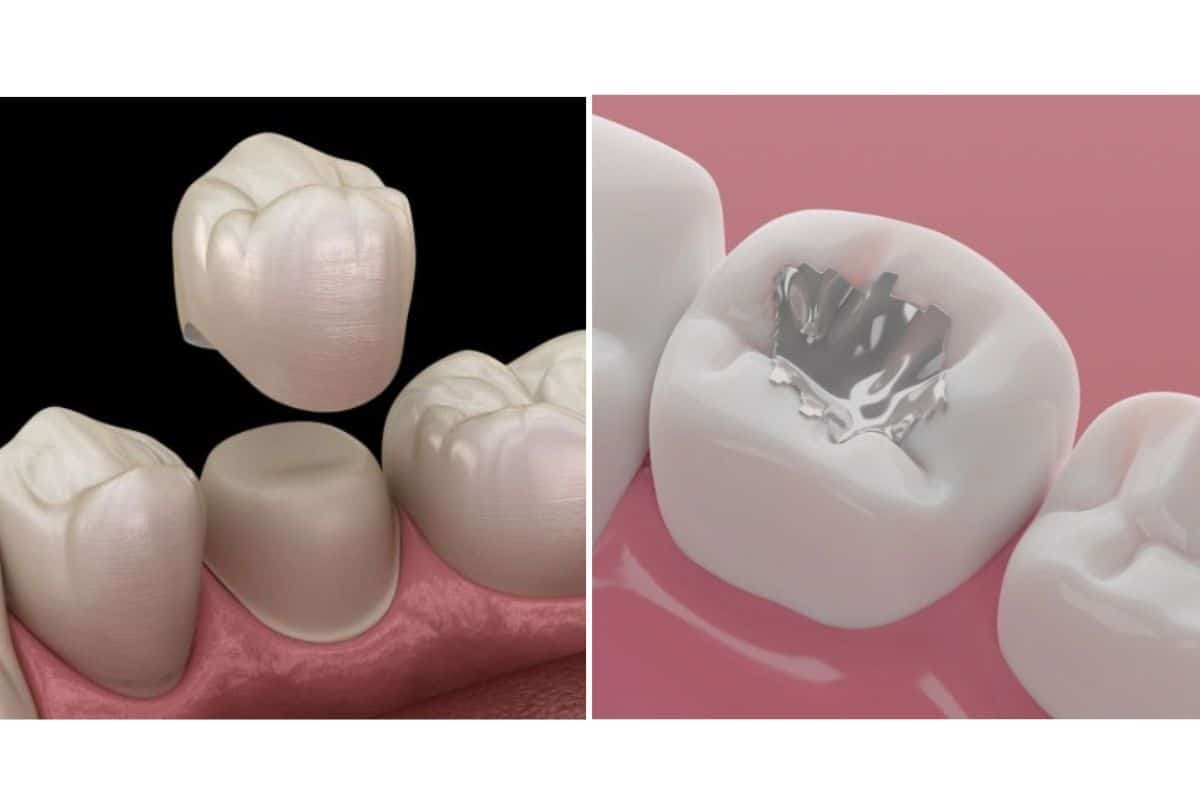
A dental filling restores minor decay or small surface damage by filling a localized cavity, whereas a dental crown encases the entire visible portion of a compromised tooth to rebuild its structural integrity.
According to data published by the National Institute of Dental and Craniofacial Research (NIDCR), over 90% of adults aged 20 to 64 have experienced dental caries in their permanent teeth, making restorative procedures like fillings and crowns essential for lifelong oral health.
At Dr Bob’s Dental Care, Dr. Robert LaCarrubba provides custom treatment plans tailored to your specific anatomical needs, helping you preserve your natural smile for years to come.
What Is a Dental Filling?
A dental filling is a direct restorative material used to repair minor tooth decay or localized surface damage without altering the overall outer shape of the tooth. It seals the cavity, preventing bacteria from penetrating deeper layers like the dentin or pulp.
When dental decay is detected early, the compromised tooth structure is gently removed, leaving the majority of your natural enamel intact. The remaining space is filled with a biocompatible material, such as composite resin, which bonds directly to your natural tooth.
Fillings are ideal when the surrounding tooth walls are strong enough to support daily chewing forces independently. If you enjoy crisp local apples at the Reinstein Woods nature preserves or indulge in a classic beef on weck, your teeth must endure significant occlusal bite pressure. Fillings ensure that minor damage does not progress into major structural weakness.
Common Signs You Need a Filling
- Localized Cavities: Small to moderate holes visible on tooth enamel.
- Mild Sensitivity: Sharp, temporary discomfort when eating sweet, cold, or hot foods.
- Minor Enamel Chipping: Small chips that do not compromise the surrounding cusps.
- Early Decay Between Teeth: Interproximal decay caught early through digital radiographs.
What Is a Dental Crown?
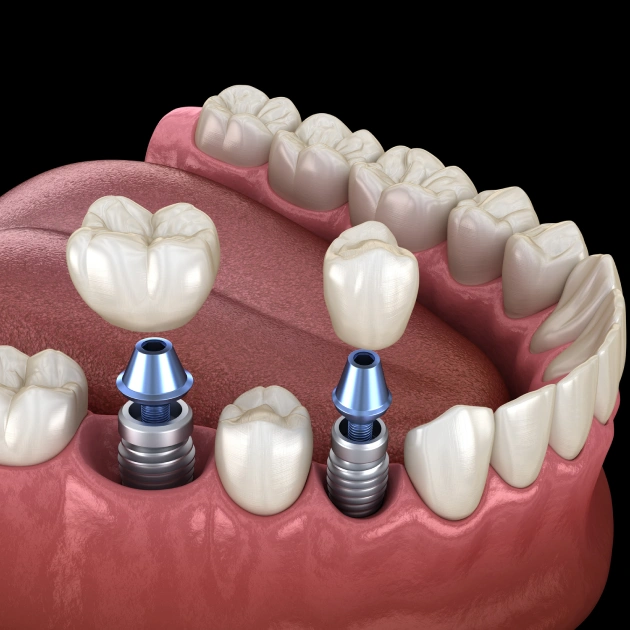
This custom-fitted prosthetic cap entirely covers the visible portion of a severely damaged or weakened tooth above the gumline. It protects vulnerable teeth by distributing bite forces evenly across a durable external shell.
When a tooth suffers from extensive decay, structural fractures, or weakening following a root canal, a filling alone cannot provide adequate reinforcement. Placing a large filling in a compromised tooth can increase the risk of vertical fractures under heavy chewing loads.
Opting for a high-quality crown in Cheektowaga allows patients to restore optimal bite alignment and chewing strength using advanced materials like porcelain or porcelain-fused-to-gold. It acts like a protective helmet, surrounding the remaining natural enamel to absorb chewing forces safely.
How Dentists Choose the Right Treatment
Dentists evaluate the proportion of healthy natural tooth structure remaining versus damaged structure before recommending a filling or a crown. The choice depends directly on structural integrity, decay extent, and bite forces.
To help you distinguish between the two treatments, consider these primary clinical decision factors:
Amount of Remaining Healthy Enamel
A tooth relies on sturdy side walls to withstand chewing pressure. If more than 50% of the natural tooth structure is lost to decay or injury, a filling will lack sufficient support, making a full cap necessary.
Location of the Tooth and Bite Pressure
Back molars withstand extreme biting pressure especially when enjoying local culinary staples like crisp, hard-crusted Weck rolls or hearty wings. When back teeth suffer deep decay, receiving a durable crown in Cheektowaga provides long-term resistance against heavy wear.
Presence of Cracks or Previous Root Canal Therapy
Teeth that have undergone root canal treatment or exhibit hairline biting fractures become brittle over time. Encapsulating the tooth with a full restoration prevents longitudinal fractures that could otherwise lead to tooth loss.
Dental Restorations for Community Life
Maintaining strong teeth is directly tied to your everyday quality of life and dining habits. Living in Western New York means enjoying unique culinary traditions, from crunchy bison-style wings to heavy wintercomfort foods, which place natural demands on our teeth.
Choosing between these procedures ensures you can eat comfortably without worrying about sudden tooth pain or sudden fractures. Seeking timely dental care for a tooth restoration helps prevent minor sensitivity from escalating into a sudden emergency during busy family outings or community events.
Receiving a custom crown in Cheektowaga guarantees that your restoration matches your natural bite dynamics, allowing you to enjoy mealtime without hesitation or discomfort.
What to Expect During Treatment
Whether you require a direct composite filling or a custom indirect crown, the treatment process is designed to be comfortable, efficient, and precise.
The Filling Process
- Local Anesthesia: The area around the affected tooth is thoroughly numbed.
- Decay Removal: The decayed enamel and dentin are cleaned away.
- Etching & Bonding: The tooth surface is prepared with a specialized bonding liquid.
- Resin Placement & Curing: The composite material is shaped, hardened with a curing light, and polished smooth.
The Process
- Diagnostic Evaluation: Digital radiographs and structural assessments determine the tooth’s condition.
- Tooth Preparation: The damaged tooth is gently reshaped to create room for the custom cap.
- Digital Impressions: Precise impressions are taken to craft a custom-fit restoration.
- Final Placement: The permanent porcelain or metal cap is adjusted for bite alignment and permanently cemented.
If you are experiencing tooth pain or need a comprehensive evaluation, visit our dental office or book an appointment today to restore your oral health.
Frequently Asked Questions
1. How do I know if I need a filling or a crown?
Your dentist evaluates the extent of natural tooth loss. Fillings repair small cavities, while crowns encapsulate heavily decayed or fractured teeth requiring full structural protection.
2. Is getting a dental crown painful?
No, the procedure is completed under local anesthesia to ensure complete comfort. Patients may experience mild, temporary sensitivity following the tooth preparation and cementation steps.
3. How long do dental fillings and crowns usually last?
With proper oral hygiene and routine checkups, composite fillings typically last 5 to 10 years, while custom dental crowns can last 15 years or longer.
4. Can a tooth with a large filling need a crown later?
Yes, large fillings can weaken surrounding tooth walls over time. If recurrent decay or structural cracking develops, upgrading to a full-coverage crown prevents future tooth fracture.
5. Why do teeth need crowns after a root canal?
Root canal treatment removes internal pulp tissue, leaving the remaining tooth structure more brittle. A crown reinforces the tooth to withstand daily chewing without breaking.
6. How do I care for my new filling or crown?
Brush twice daily with fluoride toothpaste, floss regularly around restorations, and avoid biting on hard objects like ice to ensure maximum longevity for your dental work.
7. How much do crowns and fillings cost?
Treatment costs vary depending on the complexity, tooth location, and custom material selected. Schedule a personalized diagnostic evaluation at our office to discuss your specific care plan.