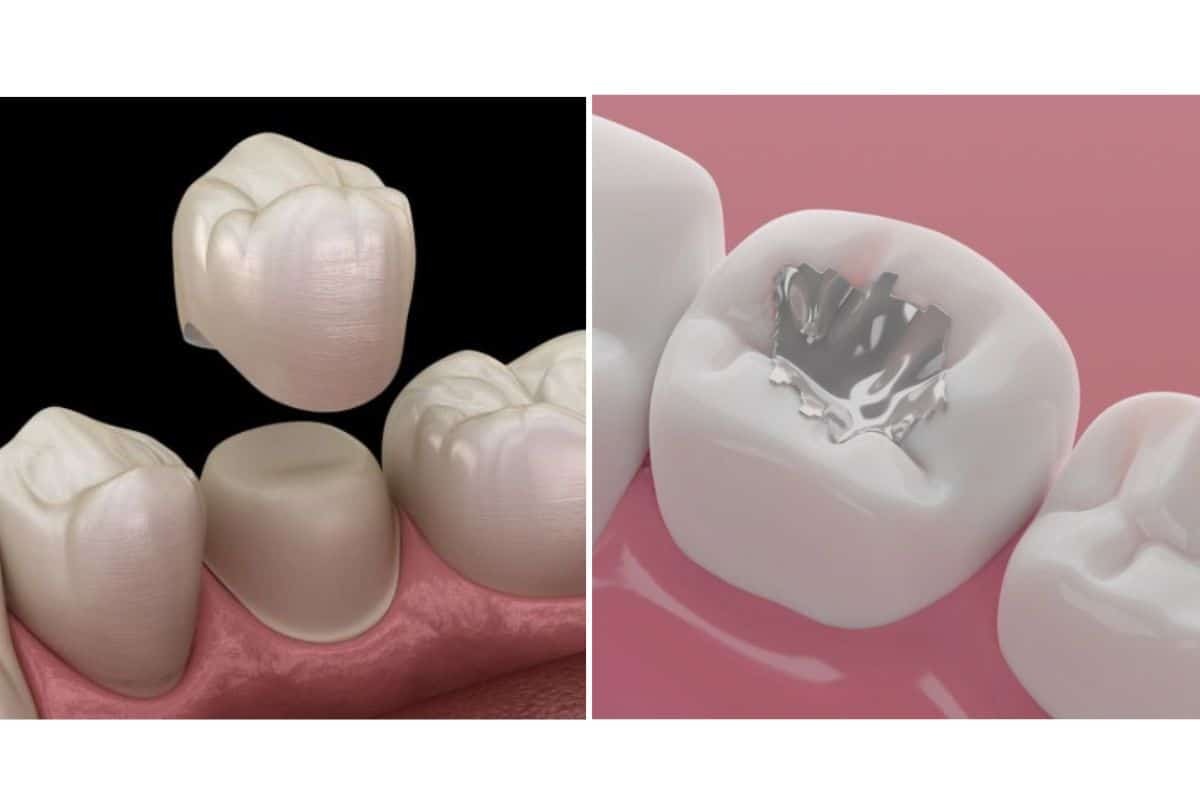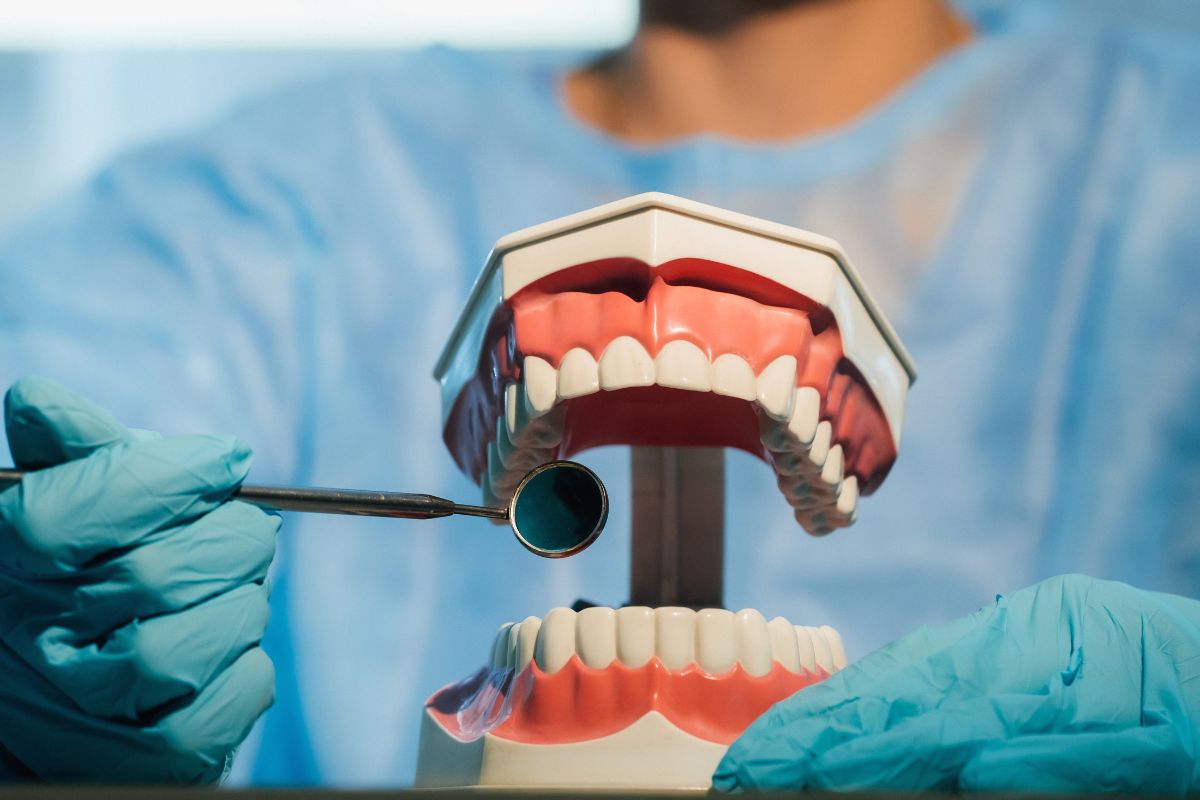
A filling can repair a small to moderate cavity, but it may not be enough when a tooth has extensive decay, a crack, significant structural damage, infection, or has already been weakened by previous dental work. Restorative dentistry can help rebuild damaged teeth, restore normal chewing function, protect remaining tooth structure, and replace teeth that can no longer be saved.
Treatments such as dental crowns, root canal therapy, dental bridges, dentures, and dental implants may be considered when a filling cannot adequately restore the tooth. The right treatment depends on how much healthy tooth structure remains, whether the tooth is infected, and the condition of the surrounding teeth and gums.
If you are experiencing ongoing tooth pain, sensitivity, a broken or cracked tooth, or difficulty chewing, it is worth having the tooth evaluated before the damage becomes more extensive.
What Is Restorative Dentistry?
Restorative dentistry focuses on repairing damaged or decayed teeth and replacing teeth that are missing or cannot be restored.
Depending on the condition of your teeth, restorative treatment may include:
- Dental fillings
- Dental crowns
- Inlays and onlays
- Root canal therapy
- Dental bridges
- Dentures
- Dental implants
- Tooth extraction when a tooth cannot be predictably restored
The goal is not simply to make a tooth look better. Restorative treatment is designed to help restore strength, function, comfort, and oral health while preserving as much healthy natural tooth structure as possible.
The American Dental Association supports conservative treatment approaches for tooth decay when appropriate, which makes early diagnosis important. Treating a problem before it becomes more extensive may help preserve more of the natural tooth.
7 Signs Your Teeth May Need More Than a Filling
1. You Have a Large Cavity or Extensive Tooth Decay
A small cavity can often be repaired with a dental filling. However, if decay has removed a significant amount of the tooth’s structure, a filling may not provide enough strength or protection.
A severely damaged tooth may need a dental crown to cover and protect the remaining tooth structure.
Crowns are commonly used when a tooth has been weakened by extensive decay, a large filling, a fracture, or root canal treatment. A crown surrounds the remaining tooth structure and helps restore its shape, strength, and function.
The sooner extensive decay is evaluated, the more options may be available for preserving the tooth.
2. Your Tooth Is Cracked, Chipped, or Broken
A small chip may sometimes be repaired with bonding or another conservative treatment. A deeper crack or fracture is different.
You may notice:
- Pain when biting or chewing
- Sensitivity to hot or cold foods
- A sharp edge on the tooth
- A visible crack
- Pain that comes and goes when chewing
Cracked teeth can have symptoms that are difficult to identify without a dental examination. The American Dental Association describes cracked tooth syndrome as involving acute, temporary pain associated with chewing.
If a substantial portion of the tooth is damaged, a crown may be considered to help hold the remaining structure together and restore normal function.
3. You Have a Very Large or Failing Filling
A filling is designed to restore damaged tooth structure, but a very large filling can leave relatively little natural tooth structure supporting the restoration.
Over time, you may notice:
- The filling has chipped or fallen out
- The tooth feels weak
- The tooth has developed a crack
- You experience pain when chewing
- Food repeatedly gets trapped around the restoration
In these situations, replacing the filling may not address the underlying structural problem. Depending on how much healthy tooth remains, your dentist may recommend an inlay, onlay, or crown instead.
The goal is to choose a restoration that provides adequate support without removing more healthy tooth structure than necessary.
4. You Have Persistent or Severe Tooth Pain
Tooth pain should not automatically be treated as a simple cavity.
Persistent pain, especially when accompanied by sensitivity to hot or cold, pain when biting, swelling, or tenderness, can indicate that decay or damage has progressed deeper into the tooth.
When bacteria reach the pulp, the innermost part of the tooth containing nerves and blood vessels, root canal therapy may be needed to remove the infected or damaged tissue and save the natural tooth.
A root canal is different from a filling because it addresses problems inside the tooth rather than simply repairing a cavity in the outer structure.
After root canal treatment, the tooth may also need a crown or another restoration depending on how much tooth structure remains and where the tooth is located. Back teeth often require substantial protection because they handle significant chewing forces.
5. You Have Difficulty Chewing on One Side of Your Mouth
If you consistently avoid chewing on one side because a tooth hurts, feels weak, or does not function normally, that may be a sign that the problem requires more than a basic filling.
A damaged tooth can affect more than just your comfort. Missing or weakened teeth can make it harder to chew properly and may affect how your teeth come together.
Restorative treatment may help rebuild the tooth and restore its ability to handle normal biting and chewing forces.
Depending on the cause, treatment could involve a crown, root canal, bridge, implant, denture, or another restoration.
6. You Have a Missing Tooth or a Tooth That Cannot Be Saved
A filling can repair a damaged tooth, but it cannot replace a tooth that is missing.
If you have lost a tooth, leaving the space untreated can affect your ability to chew and may allow neighboring teeth to shift into the empty space.
Tooth replacement options may include:
- Dental implants: a titanium implant post is placed in the jaw to support a crown, bridge, or denture.
- Dental bridges: a replacement tooth is supported by adjacent teeth or implants.
- Dentures: removable appliances can replace several missing teeth or an entire arch.
Dental implants can replace the root portion of a missing tooth and provide a stable foundation for a restoration.
If a tooth is severely damaged and cannot be predictably restored, extraction may sometimes be necessary, followed by discussion of appropriate tooth-replacement options.
7. Your Tooth Has Already Had Extensive Dental Work
A tooth that has undergone multiple fillings, experienced repeated decay, or received root canal treatment may have less remaining natural structure than a healthy tooth.
At that point, simply placing another filling may not provide the long-term support the tooth needs.
A dentist may recommend a crown or another type of restoration to protect the remaining structure. For example, crowns are commonly used after root canal treatment when additional protection is needed.
This does not mean every tooth with an old filling automatically needs a crown. Your dentist needs to evaluate the amount of remaining tooth structure, the location of the tooth, your bite, and the condition of the existing restoration.
Filling vs. Restorative Treatment: What’s the Difference?
A dental filling is itself a restorative treatment, but it is generally used when the tooth still has enough healthy structure to be repaired directly.
More extensive damage may require a different restoration.
| Dental Problem | Treatment That May Be Considered |
|---|---|
| Small to moderate cavity | Dental filling |
| Moderate structural damage | Inlay or onlay |
| Large cavity or weakened tooth | Dental crown |
| Cracked or fractured tooth | Crown or other appropriate restoration |
| Damaged or infected pulp | Root canal therapy, often followed by restoration |
| One missing tooth | Dental implant or bridge |
| Multiple missing teeth | Bridge, partial denture, or implants |
| Tooth that cannot be restored | Extraction followed by tooth replacement options |
This is only a general guide. The appropriate treatment depends on your individual dental examination and the condition of the tooth.
Why Early Restorative Treatment Matters
Waiting until a damaged tooth becomes painful does not always mean the problem will stay the same.
Decay can progress, cracks can worsen, and a weakened tooth may eventually fracture. A tooth that could initially be treated with a conservative restoration may require more extensive treatment if the damage progresses.
That is why regular dental examinations are important. Your dentist can evaluate visible tooth structure, existing restorations, your bite, and other signs of dental problems that may not be obvious at home.
Early treatment can also help preserve natural tooth structure when a tooth is still restorable.
When Should You See a Restorative Dentist?
Consider scheduling a dental evaluation if you have:
- A broken, cracked, or severely chipped tooth
- Persistent tooth pain or sensitivity
- A large cavity
- A filling that repeatedly breaks or falls out
- Pain when biting or chewing
- A missing tooth
- A tooth that has undergone extensive previous dental work
- Swelling around a tooth or gum
- Difficulty chewing normally
If you are searching for a restorative dentist in Niagara Falls, a comprehensive dental examination can help determine whether your tooth can be treated with a filling or may require a more extensive restoration, such as a crown, root canal therapy, bridge, or dental implant.
Visit Our Dental Practice in Niagara Falls
If you are experiencing tooth pain, damage, sensitivity, or difficulty chewing, don’t wait for the problem to become more serious. Visit our dental practice in Niagara Falls for a thorough evaluation of your teeth and to discuss restorative treatment options based on your individual needs.
Your dentist can assess the condition of the affected tooth, identify the extent of the damage, and explain which treatment options may help restore your oral health and normal dental function.
The Bottom Line
A filling may be enough for a small cavity, but more extensive damage can require additional restorative treatment. Cracks, large or failing fillings, severe decay, persistent tooth pain, infection, missing teeth, and significant structural damage are all reasons to have your teeth evaluated.
The right treatment depends on the condition of your tooth and surrounding oral structures. Depending on your needs, treatment may involve a filling, crown, root canal therapy, bridge, dental implant, or another restorative option.
Don’t ignore ongoing pain, sensitivity, a broken tooth, or changes in your ability to chew. Addressing dental problems early may help protect the remaining healthy tooth structure and prevent the need for more extensive treatment.
Schedule your appointment for a comprehensive dental evaluation and discuss your concerns with our dental team. Whether you need to repair a damaged tooth, replace a missing tooth, or determine why you are experiencing discomfort, an evaluation is the first step toward finding the appropriate restorative solution.
Frequently Asked Questions
1. What is considered restorative dentistry?
Restorative dentistry focuses on repairing damaged, decayed, weakened, or missing teeth. Depending on the condition of your teeth, restorative treatment may include fillings, crowns, root canal therapy, bridges, dentures, dental implants, and other restorations designed to restore oral function and protect remaining tooth structure.
2. How do I know if I need a filling or a crown?
A filling may be appropriate when a tooth has a cavity but still has enough healthy structure to support a direct restoration. A crown may be recommended when a tooth has extensive decay, a large existing filling, a significant crack, or substantial loss of tooth structure. Your dentist can determine which option is appropriate after examining the tooth.
3. Can a cracked tooth be repaired with a filling?
It depends on the location and severity of the crack. A small area of damage may sometimes be repaired conservatively, while a deeper or more extensive crack may require a crown or another restorative treatment. If the crack has affected the pulp, root canal therapy may also be necessary.
4. Does tooth pain always mean I need a root canal?
No. Tooth pain can have several causes, including decay, a cracked tooth, gum problems, sensitivity, or an issue with an existing restoration. A root canal may be recommended when the pulp inside the tooth becomes infected or severely inflamed. A dental examination is necessary to determine the cause of your pain.
5. Can a badly decayed tooth still be saved?
Sometimes. If enough healthy tooth structure remains and the tooth can be predictably restored, treatment such as a root canal and crown may help preserve it. If the tooth is too damaged to restore, extraction may be necessary, followed by discussion of tooth-replacement options.
6. What are my options if I am missing a tooth?
Depending on your oral health and individual needs, tooth replacement options can include dental implants, bridges, partial dentures, or other restorative solutions. Your dentist can evaluate the space, surrounding teeth, gums, and jawbone to help determine which options are appropriate.
7. Is restorative dentistry only for people with painful teeth?
No. Some dental problems may not cause noticeable pain, particularly during their early stages. A weakened tooth, failing filling, developing cavity, or missing tooth may still require restorative care even when you feel comfortable. Regular dental examinations can help identify problems before they become more extensive.