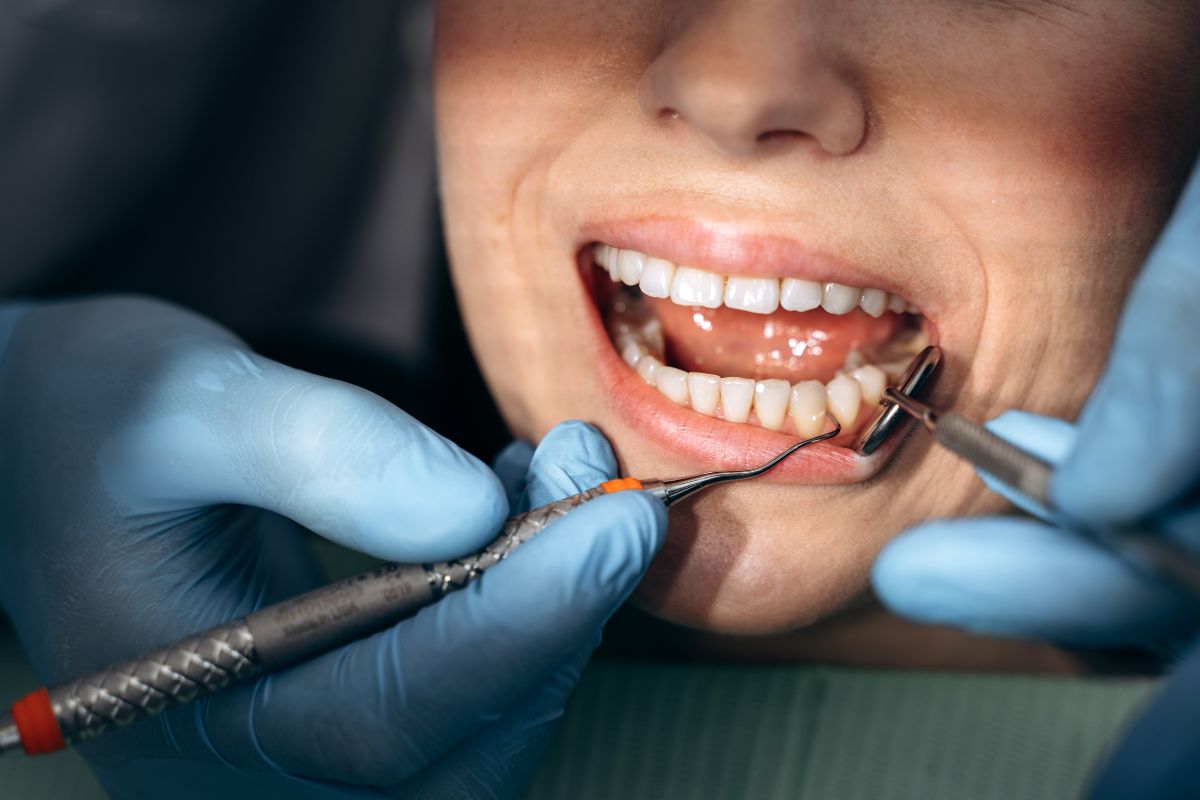
Many Amherst residents don’t realize that the health of their mouths affects the rest of their bodies. What happens in the mouth does not stay in the mouth. In fact, research continues to show strong links between oral health and conditions like heart disease, diabetes, respiratory illness, and even pregnancy complications.
A healthy smile is not just about appearance. It reflects overall wellness. Understanding this connection empowers families in Amherst to take proactive steps toward better oral hygiene, stronger dental health, and improved total-body health.
This guide explains what oral health really means and why dental exams are necessary, how it connects to systemic conditions, and what local residents can do to protect themselves.
What “Oral Health” Really Means
When people hear “oral health,” they often think only about cavities. But oral health care is much broader than that.
Oral health includes:
- Healthy teeth without decay
- Healthy gums without bleeding or infection
- A bite that functions properly
- No chronic inflammation or infection in the mouth
- No signs of oral cancer
The most common oral conditions include:
Gum Disease (Gingivitis & Periodontitis)
Gum disease begins with gingivitis — red, swollen, bleeding gums caused by plaque buildup. If untreated, it can progress to periodontitis, a more serious infection that damages the bone supporting the teeth.
Tooth Decay
Tooth decay develops when bacteria in plaque feed on sugars, producing acids that weaken enamel.
Chronic Inflammation
When plaque is not removed through proper oral hygiene and professional cleanings, bacteria multiply. The body responds with inflammation. Chronic inflammation in the gums can allow bacteria to enter the bloodstream — and that is where systemic effects begin.
Poor oral hygiene affects more than just teeth. It can contribute to whole-body inflammation.
How Oral Health Affects the Whole Body
Modern research clearly shows that oral bacteria and inflammation are not confined to the mouth. They can travel through the bloodstream and influence other organs.
Gum Disease & Heart Health
Chronic gum disease has been associated with an increased risk of cardiovascular disease.
Here is how the connection works:
- Inflamed gums allow bacteria to enter the bloodstream.
- These bacteria can attach to blood vessel walls.
- Inflammation may contribute to arterial plaque formation.
- This increases the risk of heart attack and stroke.
Systemic inflammation plays a major role in heart disease. When oral infections persist, they may contribute to the body’s overall inflammatory burden.
Residents in Amherst with a history of high blood pressure, elevated cholesterol, or a family history of heart disease should be especially mindful of maintaining strong oral healthcare routines.
Oral Health & Diabetes
The relationship between gum disease and diabetes is bidirectional.
- Diabetes increases the risk of gum infections.
- Gum infections can make blood sugar harder to control.
People with diabetes are more prone to periodontal inflammation due to compromised immune function. At the same time, untreated gum disease can worsen insulin resistance.
For Amherst residents managing diabetes, consistent teeth care and regular dental visits are not optional — they are essential components of overall health management.
Respiratory Health Connection
Oral bacteria can be inhaled into the lungs, especially in older adults or individuals with compromised immune systems.
This may increase the risk of:
- Pneumonia
- Chronic obstructive pulmonary disease (COPD) complications
- Respiratory infections
Maintaining proper oral hygiene reduces the number of harmful bacteria that can migrate to the respiratory tract.
Older adults in Amherst, particularly those in assisted living communities or with chronic lung conditions, should prioritize routine oral care and professional cleanings.
Pregnancy & Oral Health
Hormonal changes during pregnancy can increase gum sensitivity and inflammation. Pregnancy gingivitis is common.
However, more severe gum infections have been linked to:
- Preterm birth
- Low birth weight
Inflammatory markers from gum disease may affect fetal development. Expectant mothers in Amherst should not postpone dental visits. Preventive oral health care during pregnancy is safe and strongly recommended.
Emerging Research: Other Health Conditions
Ongoing research continues to explore links between gum disease and:
- Dementia
- Rheumatoid arthritis
- Chronic kidney disease
- Alzheimer’s disease
- Autoimmune disorders
While research is still developing, the common factor appears to be inflammation. Reducing chronic inflammation through proper oral healthcare supports overall wellness.
What Amherst Residents Should Watch For
Many people ignore the early warning signs of gum disease.
Common symptoms include:
- Bleeding gums while brushing or flossing
- Persistent bad breath
- Red, swollen, or tender gums
- Gum recession
- Loose teeth
- Pain when chewing
These symptoms are not normal and should not be dismissed.
Certain groups in Amherst may be at higher risk:
- Smokers
- Adults over age 50
- Individuals with diabetes
- People with heart disease
- Patients with autoimmune conditions
- Individuals with poor oral hygiene habits
Early detection makes treatment simpler and more effective. Local dentists consistently emphasize that prevention is easier than repair.
Prevention Tips — From Your Dentist
Strong oral health begins at home but requires professional support.
Daily Care
Brush at least twice daily
Use a soft-bristled toothbrush and fluoride toothpaste. Brush for two full minutes, reaching all surfaces.
Floss once daily
Flossing removes plaque between teeth where toothbrushes cannot reach.
Use mouthwash if recommended
An antimicrobial rinse may help reduce bacterial levels in some patients.
Maintain a balanced diet
Limit sugary snacks and beverages. Choose foods rich in fiber, calcium, and vitamins.
Stay hydrated
Saliva plays a protective role in oral care. Drinking water helps wash away bacteria.
Consistent oral hygiene significantly reduces plaque buildup and inflammation.
Professional Care
Home care alone is not enough.
Biannual Checkups
Most patients benefit from dental visits every six months. Some may require more frequent cleanings depending on risk level.
Early Detection
Professional exams help identify:
- Early gum disease
- Cavities
- Oral cancer
- Bite issues
- Bone loss
Deep Cleanings (Scaling & Root Planing)
If gum disease is present, deeper cleaning below the gumline may be necessary to remove infection and reduce inflammation.
Preventive visits also allow dental providers to tailor oral health care plans based on individual risk factors.
When to See a Dentist
Amherst residents should schedule a dental appointment if they notice:
- Bleeding gums
- Persistent bad breath
- Tooth sensitivity
- Swollen or painful gums
- Loose teeth
- Jaw pain
- Sores that do not heal
Waiting can allow minor inflammation to become advanced periodontitis.
Routine preventive visits are not cosmetic appointments. They are health appointments. Seeing a dentist near home consistently can help prevent serious systemic complications later.
Strong dental health supports heart health, blood sugar control, respiratory protection, and overall wellness.
Protect Your Smile — And Your Overall Health
Oral health is deeply connected to overall wellness. Inflammation in the mouth can influence the heart, lungs, blood sugar levels, and more. Strong oral healthcare habits, routine professional cleanings, and early treatment of gum disease are powerful preventive tools.
Residents looking for a trusted dentist near Amherst who prioritizes whole-body wellness should consider scheduling a comprehensive evaluation with the experienced dental providers at Dr. Bob’s Dental Care, Amherst, NY. A proactive approach to dental health today can protect both your smile and your systemic health for years to come.
Schedule a wellness check and take the next step toward healthier living.
FAQs
Q. Can gum disease cause heart problems?
A: Gum disease does not directly cause heart disease, but chronic inflammation and bacteria from infected gums may increase cardiovascular risk. Maintaining strong oral hygiene reduces this inflammatory burden.
Q. How does oral health affect diabetes?
A: Gum infections can make blood sugar levels harder to control. At the same time, diabetes increases susceptibility to gum disease. Managing both conditions together improves outcomes.
Q. What should I do if my gums bleed?
A: Bleeding gums are often an early sign of gingivitis. Improving brushing and flossing habits and scheduling a professional cleaning are recommended steps. Persistent bleeding requires evaluation.
Q. How often should I visit the dentist?
A: The American Dental Association generally recommends visits every six months. However, some patients may need more frequent appointments depending on risk factors, medical history, and oral health status.