Is teeth whitening safe with sensitive teeth? The answer is yes—when done carefully and under the right guidance.
Many people want a brighter smile but worry about pain or discomfort due to tooth sensitivity. This article explores how whitening sensitive teeth can be safe, effective, and comfortable when managed properly.
We’ll cover the causes of sensitivity, how whitening works, whether it’s safe, the best methods for people with sensitivity, and simple tips to minimize discomfort. We’ll also explain when it’s time to consult a dentist for personalized care.
At Dr. Bob’s Dental Care in Niagara Falls, NY, we understand that every smile is unique. Based on dental expertise and professional experience, we provide insights into safe teeth whitening treatment options, including professional teeth whitening for sensitive teeth. By the end of this guide, you’ll know how to safely whiten sensitive teeth without compromising comfort.
Understanding Teeth Sensitivity and Whitening
To understand if whitening teeth for sensitive teeth is safe, it’s important to know what causes sensitivity. Sensitivity often occurs when enamel wears down, exposing the dentin beneath, which houses nerve endings. This makes teeth more reactive to hot, cold, and even whitening agents.
Most teeth whitening treatments use peroxide-based gels. These penetrate the enamel to break down stains and lighten discoloration. While effective, peroxide can temporarily increase sensitivity because it passes through the enamel to the dentin.
Not all whitening methods are equal. Stronger, over-the-counter whitening strips may worsen sensitivity, while professionally supervised dental whitening treatments are designed to minimize discomfort. The key is matching the right whitening method to your level of sensitivity.
For patients with sensitivity, gentler formulations, custom-fitted trays, and dentist-supervised procedures make whitening sensitive teeth both safe and effective. This balance of results and comfort is why many patients choose professional teeth whitening for sensitive teeth instead of one-size-fits-all products.
Is Teeth Whitening Safe for Sensitive Teeth?
Yes—teeth whitening sensitive teeth can be safe when managed correctly. The main risk is temporary sensitivity, but most people do not experience permanent damage when whitening is done under professional supervision.
Studies and clinical experience show that with controlled peroxide levels and protective measures, whitening teeth for sensitive teeth is not only effective but also safe. The key is avoiding excessive or unsupervised whitening, which can irritate gums and increase discomfort.
Contraindications exist: if you have severe, ongoing sensitivity, gum disease, or worn enamel, your dentist may recommend postponing whitening until these issues are addressed. In such cases, other cosmetic options or desensitizing treatments may be more appropriate before attempting to whiten sensitive teeth.
With proper precautions, dentist-approved whitening systems ensure long-lasting results without unnecessary pain. Safe dental whitening often involves lower-concentration peroxide gels, in-office treatments with desensitizers, and follow-up care tailored to each patient.
Best Whitening Methods for Sensitive Teeth
If you want to brighten your smile but are worried about sensitivity, here are the best whitening teeth treatment options:
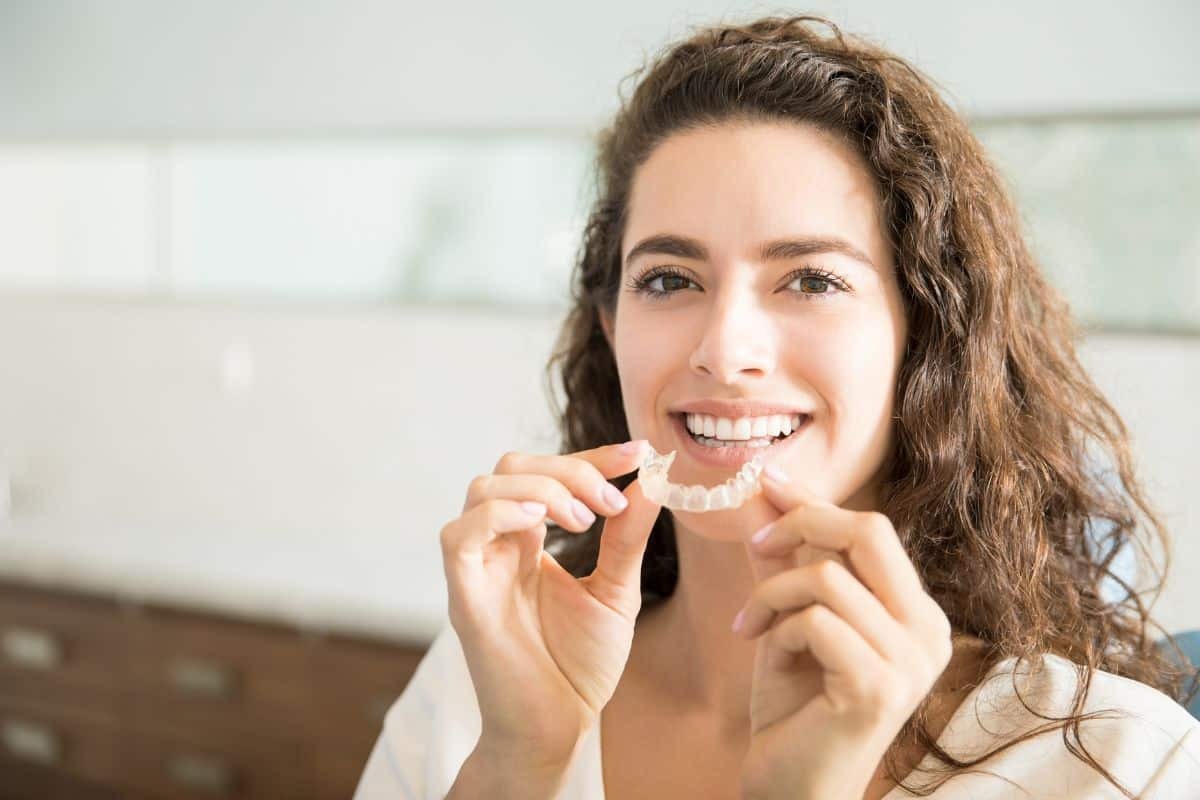
- Custom Take-Home Trays – Dentists create trays fitted to your mouth and provide low-peroxide gels. This allows gradual, safe whitening of teeth for sensitive teeth while minimizing gum irritation.
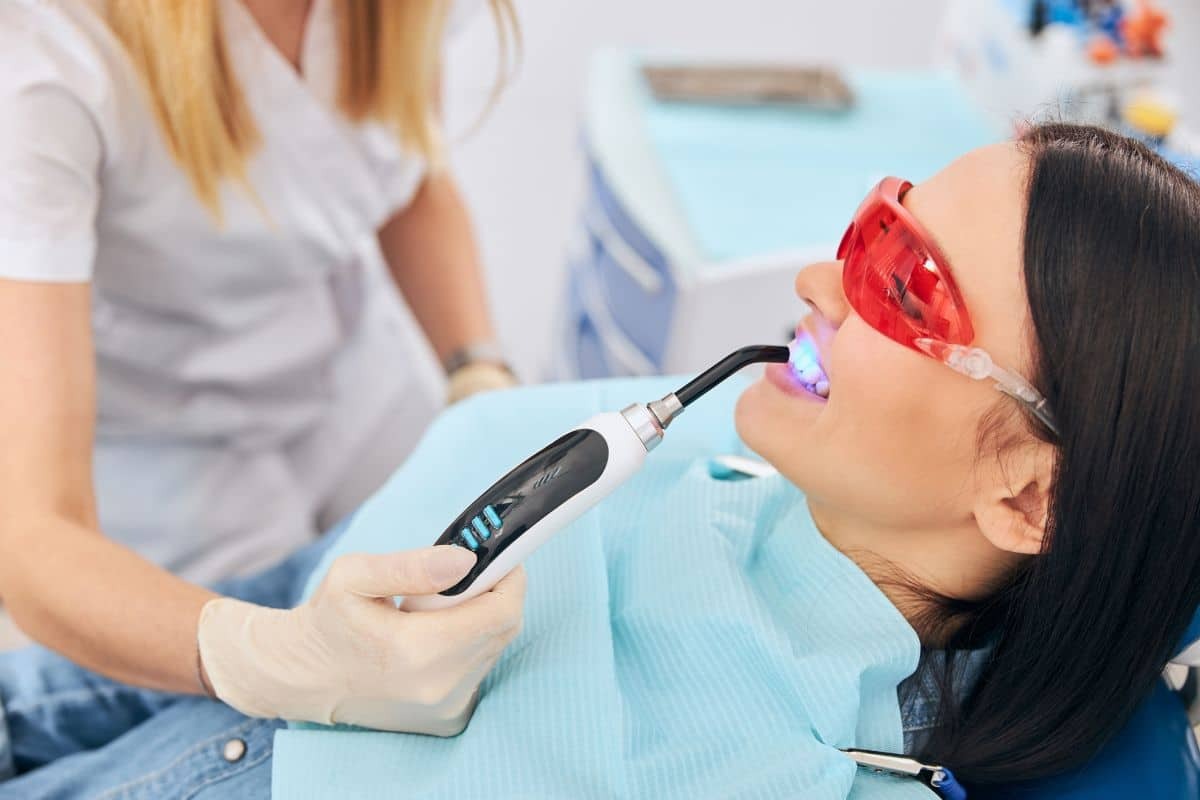
- In-Office Whitening with Desensitizers – Professional procedures often include fluoride or potassium nitrate to reduce sensitivity during and after dental whitening treatment. This is the most effective option for quick results.
- Whitening Toothpaste or Mild At-Home Options – For very mild cases, desensitizing toothpaste with gentle whitening agents can help gradually whiten without discomfort.
Avoid over-the-counter whitening strips or one-size-fits-all kits, as they can worsen sensitivity. Professional guidance ensures you achieve safe and even results. At Dr. Bob’s Dental Care, we frequently recommend professional teeth whitening for sensitive teeth to protect enamel while delivering a brighter smile.
Tips to Manage and Prevent Sensitivity
If you’re planning a teeth whitening treatment and have sensitivity, these tips can help:
- Use toothpaste designed for sensitive teeth before and after whitening.
- Avoid very hot or cold foods immediately after treatment.
- Take breaks between whitening sessions to allow enamel to recover.
- Rinse with saltwater to soothe gums after whitening.
- Skip whitening if pain persists, and consult your dentist.
These practical steps make whitening sensitive teeth safer and more comfortable while extending the results of your dental whitening procedure.
When to Consult a Dentist
If you notice prolonged pain, gum irritation, or extreme sensitivity after whitening, it’s important to see a dentist. Professional evaluation ensures that underlying issues—like cavities, gum disease, or worn enamel—are not contributing to the discomfort. For safe and effective whitening teeth treatment, always choose dentist-supervised options over over-the-counter products.
Key Takeaways
In summary, teeth whitening for sensitive teeth is safe when performed under professional guidance. With the right approach—such as custom trays, desensitizers, and gentler formulas—it’s possible to achieve a bright smile without discomfort. Safe and effective teeth whitening for Niagara Falls patients can be trusted through expert care.
At Dr. Bob’s Dental Care in Niagara Falls, NY, we provide customized dental whitening treatments designed to protect your enamel and comfort. Ready to brighten your smile? Schedule your consultation today and explore the best whitening teeth options for sensitive teeth.
FAQs
Q. Who Shouldn’t Get Teeth Whitened?
A: People with gum disease, cavities, sensitive teeth, or other dental problems should refrain from whitening treatments.
Q. Does Teeth Whitening Worsen Sensitivity?
A: Yes. Whitening agents can expose dentinal tubules that reach tooth nerves, causing temporary sensitivity. It usually fades within 24–48 hours.
Q. How to Deal with Sensitive Teeth When Whitening?
A: Use desensitizing toothpaste, fluoride rinses, avoid extreme foods/drinks, drink with a straw, and use a soft brush. If it persists, see your dentist.