Is a cleaning just a cleaning? Not always.
Many patients in Niagara Falls search for a “dentist near me,” assuming all dental cleaning appointments are the same. The reality is that there are important differences between routine preventive cleanings and therapeutic deep cleanings.
Understanding which type of teeth-cleaning procedure you need is essential to protecting your oral health and preventing long-term complications. Cleanings are not only about keeping your smile bright — they are a critical part of total oral healthcare and overall wellness.
This guide clearly explains the differences, outlines what to expect, and helps you determine when deeper treatment may be necessary.
What Is a “Regular Dental Cleaning”?
A regular dental cleaning is also known as a prophylaxis. It is preventive and designed for patients with healthy gums or only mild gingivitis.
Most dentists recommend routine cleanings every six months, although some patients may require more frequent visits depending on their oral health care needs.
What a Regular Cleaning Does
- Removes plaque and tartar above the gum line
- Helps prevent cavities
- Reduces bad breath
- Maintains healthy gums
- Supports long-term dental health
Plaque is a sticky film of bacteria that forms daily. Even excellent oral hygiene at home cannot remove hardened tartar once it forms. That is where professional cleanings come in.
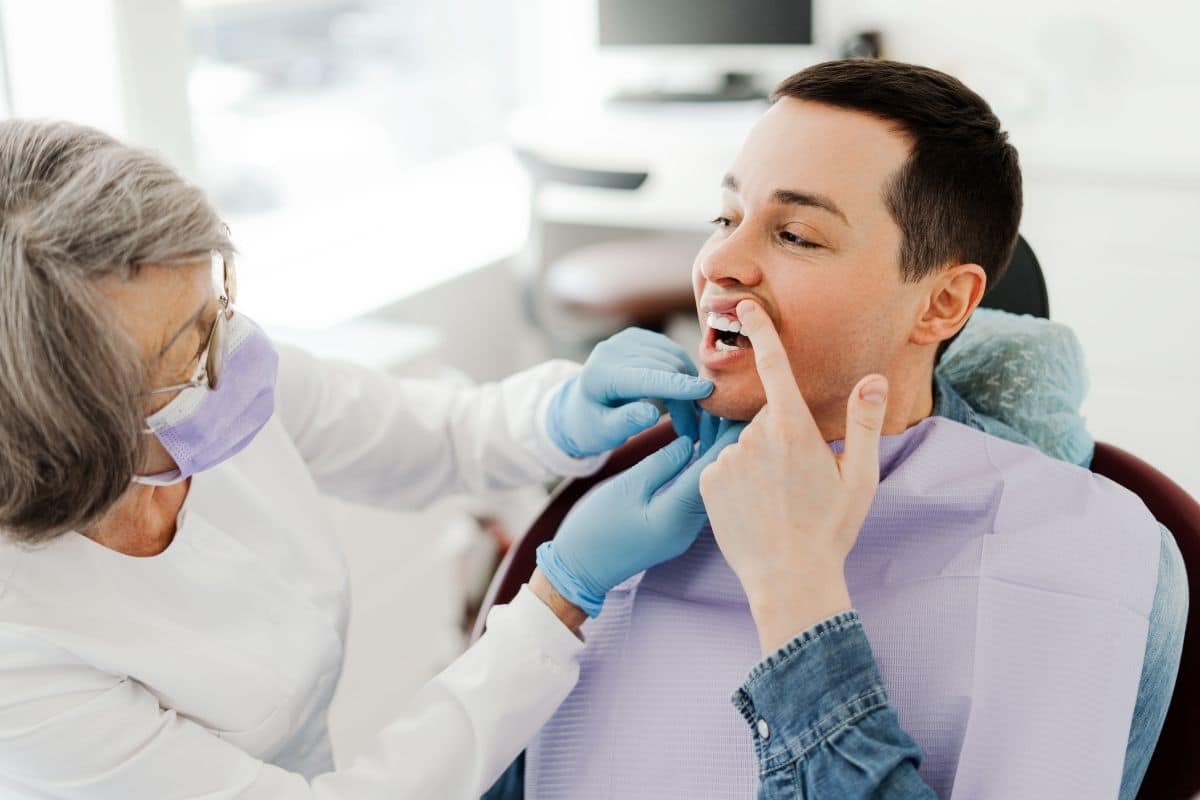
What Happens During the Appointment
A standard teeth cleaning appointment usually includes:
- Examination of teeth and gums
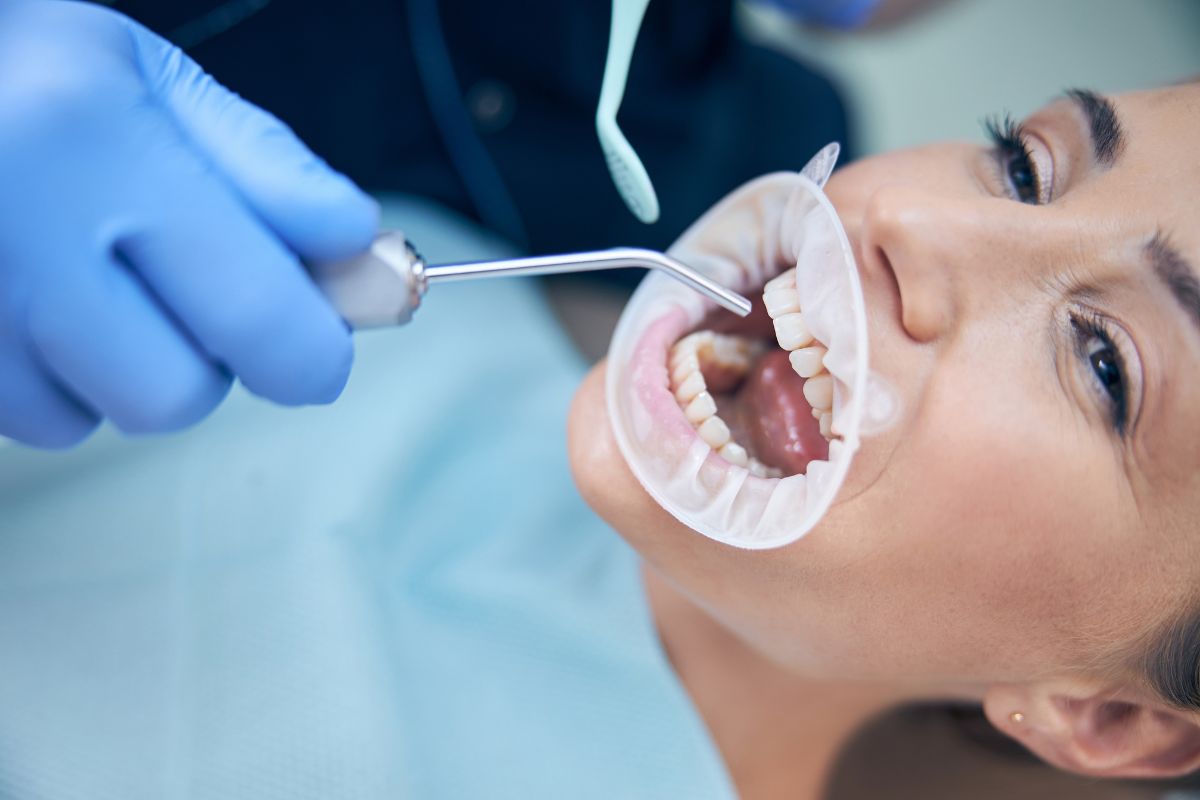
- Scaling (removal of plaque and tartar)
- Polishing to smooth tooth surfaces
- Possible fluoride treatment for added protection
The visit typically lasts 30 to 60 minutes and is generally comfortable. For patients with healthy gums, it is a straightforward preventive procedure that supports strong oral care routines.
Regular dental cleaning visits are one of the most important investments in preventive oral health care.
What Is a “Deep Cleaning”?
A deep cleaning is clinically referred to as scaling and root planing. Unlike routine cleanings, this procedure is therapeutic and used to treat gum disease (periodontitis).
When gum disease develops, bacteria spread below the gum line and create pockets between the teeth and gums. These pockets trap infection and cannot be cleaned with standard methods.
Deep cleaning procedures for teeth are specifically designed to address this.
What a Deep Cleaning Does
- Removes plaque and tartar below the gum line
- Cleans along root surfaces
- Reduces periodontal pocket depth
- Helps gums reattach to teeth
- Slows or stops disease progression
Because this treatment targets infection below the surface, it is more involved than preventive cleanings.
How It’s Performed
- Often completed in sections (quadrants)
- May require local anesthesia for comfort
- Takes longer than a standard teeth cleaning
- May require multiple visits
Patients with poor oral hygiene habits, smoking history, diabetes, or genetic predisposition may be more likely to require deep cleaning teeth treatment.
Core Differences — Side-by-Side Comparison
Here’s a clear breakdown to help Niagara Falls patients understand the distinction:
| Feature | Regular Cleaning | Deep Cleaning |
|---|---|---|
| Purpose | Preventive | Therapeutic for gum disease |
| Target Area | Above gum line | As needed, based on gum health |
| Frequency | Every 6 months | May require an anesthetic |
| Comfort Level | Quick & usually painless | Above the gum line |
| Time Required | ~30–60 minutes | 1–2 visits, sometimes longer |
| Aftercare | Minimal | Periodontal maintenance follow-ups |
Regular cleanings help prevent disease. Deep cleanings treat existing disease.
Both are forms of oral healthcare, but they serve very different purposes.
Signs You Might Need Deep Cleaning
Many patients do not realize they have gum disease until it has progressed to an advanced stage. Recognizing early warning signs can prevent tooth loss and more serious complications.
Common indicators include:
- Bleeding gums during brushing or flossing
- Persistent bad breath
- Swollen or tender gums
- Gum recession
- Loose teeth
- Deep periodontal pockets
- Bone loss seen on X-rays
If you notice these symptoms, a dentist near you may recommend scaling and root planing rather than a routine dental cleaning.
Untreated gum disease does not resolve on its own. Without treatment, inflammation can worsen and affect overall oral health.
Preparing for Your Appointment
Knowing what to expect can ease anxiety and help patients feel confident about their oral care plan.
Before Your Visit
- Brush and floss as usual
- Make a list of medications
- Write down any symptoms or questions
- Inform the office of medical conditions such as diabetes or heart disease
During the Visit
If deep cleaning teeth treatment is recommended, ask about:
- Local anesthesia options
- Expected timeline
- Follow-up periodontal maintenance
- Long-term oral hygiene recommendations
Aftercare
After routine cleaning:
- Resume normal brushing and flossing
- Minor sensitivity is possible but rare
After deep cleaning:
- Mild soreness or sensitivity may occur
- Soft foods are recommended for a day or two
- Gentle brushing is important
- Follow-up periodontal visits are essential
Proper oral hygiene at home becomes even more critical following therapeutic treatment.
Aftercare & Expectations
Understanding recovery helps patients maintain confidence.
After Regular Cleanings
- Teeth may feel smoother
- Gums may feel healthier
- No downtime required
After Deep Cleanings
- Mild gum tenderness
- Temporary tooth sensitivity
- Possible slight bleeding
- Follow-up visit to evaluate healing
If discomfort persists for more than a few days or the swelling increases, contact your dentist promptly.
Periodontal maintenance appointments may be scheduled every three to four months after deep cleaning to prevent recurrence.
Strong oral healthcare habits significantly reduce the chance of needing repeat treatment.
Why Early Action Matters
Many Niagara Falls residents delay cleanings because they feel fine. However, gum disease often develops without pain in its early stages.
Routine cleanings protect dental health before problems escalate. When infection develops, deep cleaning of teeth becomes necessary to protect bone and tooth stability.
Searching for a “dentist near me” should not only happen when discomfort appears. Preventive care is the key to long-term oral care success.
Strong oral hygiene at home, combined with professional cleanings, supports healthy gums, strong teeth, and overall oral health.
Take Control of Your Smile Today
If you are unsure whether you need a regular dental cleaning or a deep cleaning, a professional evaluation is the safest next step.
The experienced team at Dr. Bob’s Dental Care in Niagara Falls, NY, provides comprehensive assessments to determine the right treatment plan for your oral healthcare needs. Whether you need preventive cleanings or therapeutic periodontal care, the goal is always the same — protecting your smile and long-term dental health.
Schedule your appointment today and take control of your oral health with personalized, professional care.
FAQs
Q. Do deep cleanings hurt?
A: Deep cleanings are performed with local anesthesia to ensure comfort. Mild soreness afterward is normal but typically manageable with over-the-counter pain relief.
Q. How long does each cleaning take?
A: Routine cleanings usually take 30–60 minutes. Deep cleanings may take longer and are often divided into multiple visits.
Q. What are the disadvantages of deep cleaning?
A: Deep dental cleaning (scaling and root planing) may cause temporary soreness, tooth sensitivity, and mild bleeding. In some cases, gum recession can occur, and rarely, infection or nerve irritation may develop—especially in patients with weakened immune systems. It often requires multiple visits and ongoing maintenance, as it manages gum disease rather than permanently curing it.
Q. Can I prevent needing a deep cleaning?
A: Yes. Maintaining strong oral hygiene, attending routine dental cleaning appointments, and addressing gum inflammation early can help prevent progression to periodontitis.
Q. How often should I get regular cleanings?
A: Most patients benefit from cleanings every six months. However, those with gum disease or high-risk factors may need more frequent visits.