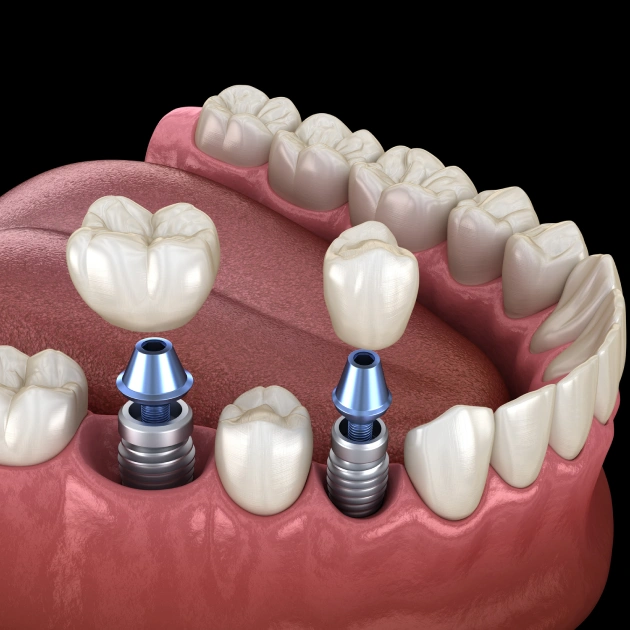
A dental crown is one of the most common and reliable restorative treatments in modern dentistry. It is a custom-made “cap” that fully covers a damaged, weakened, or heavily restored tooth. Crowns are typically recommended to:
- Strengthen a cracked or fractured tooth
- Protect a tooth after root canal therapy
- Restore severe decay
- Improve function and appearance
- Support a dental bridge
Dental crowns are durable, functional, and often transformative for patients. However, while crowns are designed to protect and preserve teeth, they also permanently change the structure of the natural tooth underneath. That means understanding the long-term effects — both positive and potential risks — is important before committing to treatment.
This guide explains how long crowns last, the benefits they offer over time, potential complications, and how to protect your investment in your smile.
How Long Do Dental Crowns Last?
Most dental crowns last 10 to 15 years, and many last significantly longer with proper care.
However, lifespan depends on several factors:
- Material used
- Bite forces
- Oral hygiene habits
- Teeth grinding (bruxism)
- Diet
- Regular dental visits
Crown Materials and Longevity
Different materials have different durability profiles:
- Porcelain or ceramic crowns offer excellent aesthetics but may chip under heavy force.
- Porcelain-fused-to-metal (PFM) crowns provide strength and durability but may show dark margins over time.
- Zirconia or metal crowns are extremely durable and may last longer under high chewing pressure.
No crown is permanent. Even the strongest materials experience wear over time. Individual outcomes vary significantly based on lifestyle and maintenance.
Long-Term Positive Effects of Dental Crowns
Dental crowns remain one of the most effective restorative solutions because their benefits extend for years when properly maintained.
Protection of Weakened Teeth
A crown acts as a protective shell around a compromised tooth. After a root canal or severe decay, the remaining tooth structure can be fragile. Without reinforcement, it may fracture.
A well-fitted crown:
- Distributes chewing forces evenly
- Prevents cracks from spreading
- Preserves the remaining natural structure
- Reduces the risk of tooth loss
Long-term protection is one of the primary reasons crowns are recommended.
Restored Function and Chewing Stability
Patients often forget how important chewing stability is until it is compromised. A damaged tooth can make eating uncomfortable and limit diet choices.
Crowns restore:
- Normal chewing strength
- Bite balance
- Comfort during meals
- Speech clarity
With a properly placed crown, patients can resume normal eating habits without fear of fracture.
Steady Support for Bite and Alignment
A missing or severely damaged tooth can alter bite dynamics over time. Teeth naturally shift when not supported properly.
A crown helps:
- Maintain proper alignment
- Prevent the drifting of adjacent teeth
- Support overall bite harmony
- Reduce uneven pressure on surrounding teeth
Long-term stability of the bite helps prevent jaw strain and additional restorative needs.
Potential Long-Term Downsides or Effects
While crowns are highly effective, they are not without potential drawbacks. Being informed allows patients to make confident decisions.
Wear and Mechanical Problems
Crowns are strong but not indestructible.
Over time, they may:
- Chip
- Crack
- Loosen
- Debond from the tooth
Heavy chewing, biting hard objects, grinding teeth, or trauma can increase the risk of mechanical failure.
Nighttime grinding (bruxism) is a particularly common cause of premature crown damage.
Tooth Sensitivity
Some patients experience sensitivity after crown placement. While this often resolves within weeks, long-term sensitivity can occur if:
- Gum recession exposes the crown margin
- The tooth nerve remains inflamed
- The bite is slightly misaligned
Persistent sensitivity should always be evaluated.
Tooth Decay Under the Crown
One common misconception is that a crowned tooth cannot decay. The crown itself cannot decay — but the natural tooth underneath still can.
Decay most often occurs:
- At the crown margin (where the crown meets tooth)
- If oral hygiene declines
- If plaque accumulates along gumlines
Poor brushing and flossing can allow bacteria to infiltrate small gaps at the margin. Over time, this can compromise the underlying tooth structure.
This is why maintaining excellent oral hygiene remains critical even after restorative treatment.
Gum Irritation and Recession
Crowns sit at or slightly below the gumline. If margins are not ideal or if plaque accumulates, gums may become irritated.
Long-term gum irritation can lead to:
- Inflammation
- Gum recession
- Exposure of crown edges
- Increased sensitivity
Recession can also impact aesthetics, especially with PFM crowns that may show dark lines near the gum.
Permanent Tooth Alteration
To place a crown, natural tooth structure must be reduced. This reduction is permanent.
Once crowned:
- The tooth will always require protection
- Future restorations may eventually be needed
- Replacement crowns are expected over time
Crowns are long-term solutions — but they are not reversible treatments.
Complications to Watch For
Patients should monitor crowned teeth and seek evaluation if any of the following occur:
- Persistent pain or pressure
- Sensitivity that does not improve
- A loose or shifting crown
- Visible cracks or chips
- Dark lines at the gum margin
- Bad taste or odor around the tooth
- Swelling near the crown
- Recurrent decay or infection
Pain years after crown placement may signal decay, fracture, or root complications. Early detection significantly improves outcomes.
Ignoring small warning signs can lead to more extensive treatment later.
How to Maximize the Lifespan of Your Crown
Proper care dramatically increases crown longevity.
Maintain Excellent Oral Hygiene
- Brush twice daily with fluoride toothpaste
- Floss carefully around crown margins
- Consider antimicrobial mouthwash if recommended
Consistent plaque control protects both the crown and the natural tooth beneath it.
Avoid Hard or Sticky Foods
Repeated stress from:
- Ice chewing
- Hard candies
- Sticky caramels
- Popcorn kernels
can weaken or dislodge crowns over time.
Use a Night Guard if You Grind
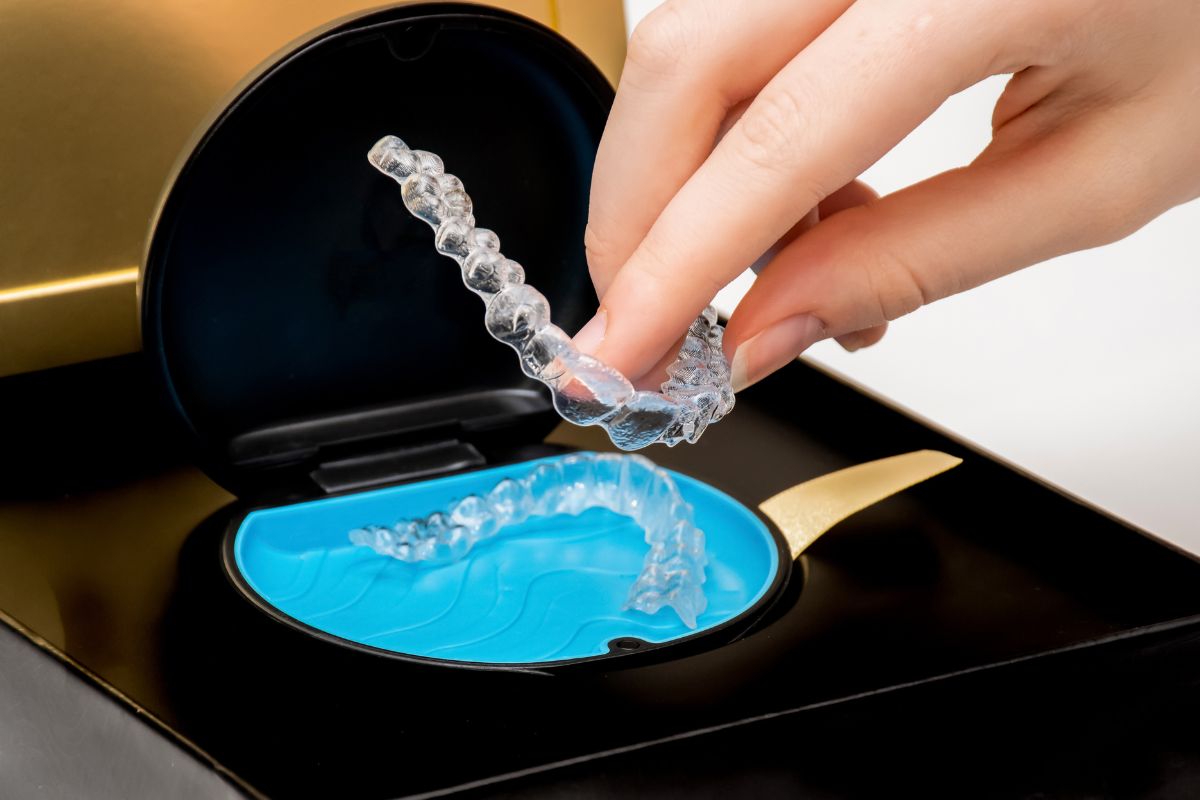
Bruxism places enormous pressure on restorations. A custom night guard significantly reduces stress and extends crown lifespan.
Attend Regular Check-Ups
Routine exams allow early detection of:
- Margin breakdown
- Gum inflammation
- Bite issues
- Early decay
Preventive monitoring is one of the most effective ways to protect long-term oral health.
Address Minor Issues Promptly
Small chips or looseness are easier to repair early. Waiting may require full replacement.
When Replacement May Be Needed
Even well-maintained crowns eventually require replacement.
Common reasons include:
- Fracture beyond repair
- Significant wear
- Recurrent decay underneath
- Gum recession exposing margins
- Changes in cosmetic preferences
- New treatment plans affecting the tooth
Replacement does not mean failure — it reflects normal wear over time.
Timely replacement protects surrounding teeth and bone.
Protecting Your Investment in Your Smile
Dental crowns are reliable, durable, and highly effective restorations. They protect weakened teeth, restore function, and preserve bite stability. However, they are not lifetime devices. Understanding their long-term effects empowers patients to care for them properly.
Regular check-ups, strong oral hygiene habits, and early intervention when problems arise significantly extend the longevity of crowns.
If you are considering a dental crown or want to evaluate an existing one, schedule a consultation with Dr. Bob’s Dental Care. A thorough assessment can ensure your restoration continues to protect your smile for years to come.
Patients across Amherst, Niagara Falls, Cheektowaga, and North Buffalo can feel confident knowing comprehensive, patient-focused dental care is close to home. Whether you need a routine evaluation, have concerns about an existing crown, or want a long-term smile assessment, the team at Dr. Bob’s Dental Care is ready to help.
Appointments are available to fit busy family and work schedules, making it convenient to prioritize your oral health. Schedule your visit today and take the next step toward protecting your smile for years to come.
FAQs
Q. Can dental crowns cause health problems?
A: Dental crowns are generally safe and effective. However, in rare cases, some patients may experience allergic reactions to certain metals used in the crown material.
Q. Why do dentists push for crowns?
A: Crowns protect and strengthen severely damaged or root canal–treated teeth when fillings aren’t enough, ensuring long-term durability and function.
Q. Do teeth rot underneath crowns?
A: Yes. While the crown itself cannot decay, the natural tooth underneath can develop cavities if bacteria enter through small gaps or if oral hygiene is poor. Proper brushing and flossing are essential to protect the tooth beneath the crown.