Want to enhance your smile without undergoing complex procedures? Cosmetic bonding might be the ideal solution. This minimally invasive treatment utilizes a tooth-colored resin to correct imperfections such as chips, gaps, and discoloration, resulting in a more confident, natural-looking smile. Whether you’re looking into cosmetic bonding for teeth to fix minor flaws or considering teeth bonding to reshape a tooth, this treatment offers a quick, affordable solution with lasting results.
If you’re exploring cosmetic bonding in Amherst, Dr. Bob’s Dental Care offers expert care and personalized treatment plans to help you achieve the smile you’ve always wanted. In this article, we’ll explain how cosmetic bonding works, what it treats, and what to expect in terms of cost and results.
What is Cosmetic Dental Bonding?
Cosmetic bonding is a quick and effective dental procedure used to improve the appearance of teeth by applying a tooth-colored material called composite resin. It is often recommended for patients looking for a non-invasive way to enhance their smile.
Here’s what you need to know:
- Cosmetic teeth bonding involves shaping and polishing the resin to blend seamlessly with your natural teeth.
- Cosmetic tooth bonding is ideal for repairing chips, cracks, gaps, and discoloration.
- Tooth bonding is a cost-effective alternative to veneers or crowns for minor cosmetic concerns.
- The process of composite resin bonding is typically completed in a single visit without the need for anesthesia.
- Cosmetic bonding is suitable for both front and back teeth, depending on the issue being treated.
Overall, cosmetic bonding provides a simple and affordable solution for achieving a more attractive smile.
How Does Cosmetic Dental Bonding Work?
Cosmetic bonding is a painless and straightforward procedure that can be completed in a single visit. It typically doesn’t require anesthesia unless the bonding is being done near a nerve or alongside a filling.
Here’s how the cosmetic dental bonding process works:
- Shade Selection: A dentist in Amherst will match the composite resin to your natural tooth color using a shade guide.
- Tooth Preparation: The tooth surface is gently roughened, and a bonding agent is applied to help the material adhere properly.
- Application: The dentist places the composite resin bonding material on the tooth and carefully shapes it to correct chips, gaps, or other imperfections.
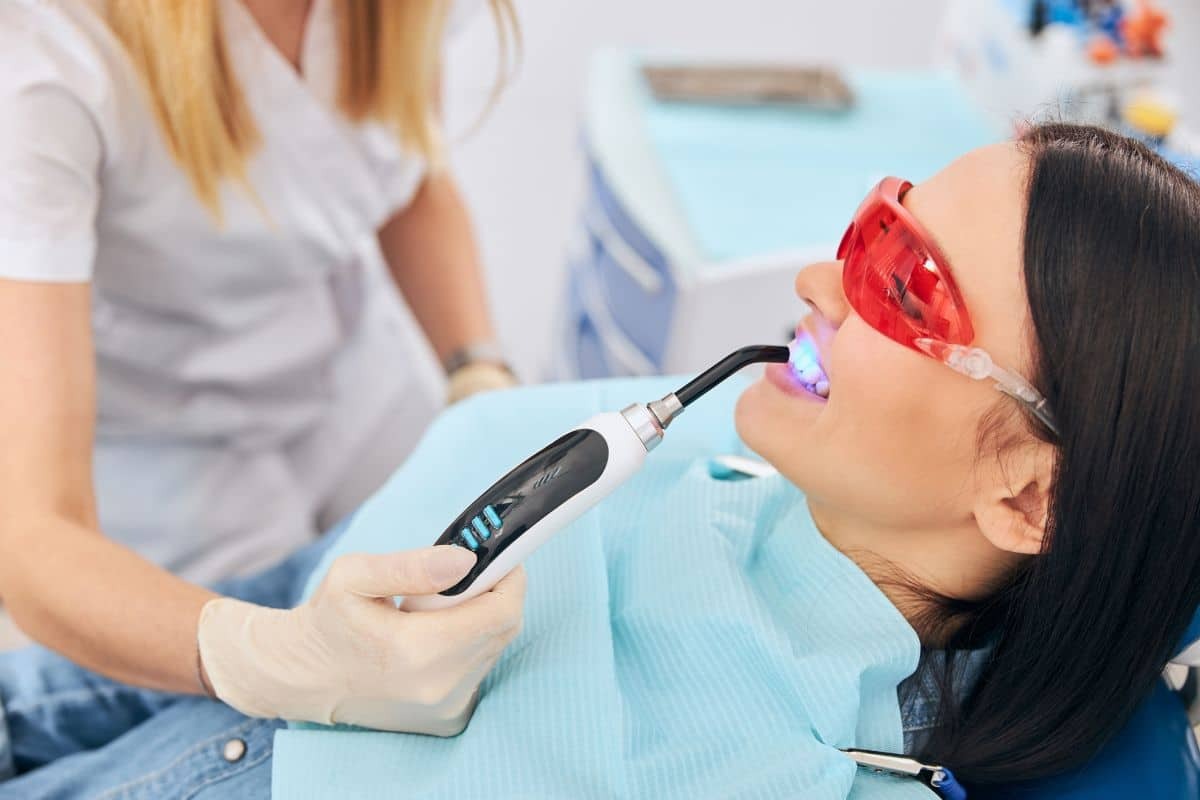
- Hardening: A special UV light is used to quickly and securely harden the resin.
- Final Shaping: After the resin sets, the dentist refines the shape and polishes the tooth for a smooth, natural finish.
Whether you’re getting teeth bonding or complete composite bonding, the result is a more even, confident smile, without any downtime.
Risks of Cosmetic Bonding
While cosmetic bonding is a safe and effective procedure, it does come with some limitations and risks:
- Durability: Unlike crowns or veneers, cosmetic dental bonding isn’t as strong and may chip or wear down over time, especially if you bite on hard objects or grind your teeth.
- Staining: Composite resin bonding is more prone to staining from coffee, tea, red wine, or tobacco compared to natural teeth or porcelain restorations.
- Longevity: The results of teeth bonding may not last as long as other cosmetic options, typically 3 to 10 years before needing a touch-up or replacement.
- Not Suitable for Major Repairs: Tooth bonding is best suited for minor cosmetic fixes and may not be ideal for extensive restorations or severely damaged teeth.
Despite these risks, cosmetic bonding remains a popular, affordable, and non-invasive option for enhancing your smile when performed by an experienced dentist.
Is Cosmetic Dental Bonding Right for You?
If you’re looking for a fast, affordable way to improve your smile, cosmetic teeth bonding may be the ideal solution. Whether you need to fix a chipped tooth, close a gap, or reshape a minor imperfection, teeth bonding, tooth bonding, and composite resin bonding offer natural-looking results with minimal commitment.
While composite bonding isn’t as durable as crowns or veneers, it’s an excellent option for many patients seeking quick smile enhancements without invasive procedures. With proper care, your bonded teeth can stay beautiful for years.
If you’re ready to explore cosmetic bonding in Amherst, trust the experienced team at Dr. Bob’s Dental Care. As a leading dentist in Amherst, we’re committed to helping you achieve a confident, healthy smile through personalized, high-quality care. Schedule your consultation with a trusted dentist in Amherst today – let Dr. Bob’s Dental Care transform your smile with expert cosmetic bonding solutions.
FAQs
Q. How Long Does Cosmetic Bonding Last?
A: Cosmetic bonding lasts 3 to 10 years, depending on the material used, tooth location, oral habits, and how well you care for your bonded teeth.
Q. What are the Disadvantages of Cosmetic Bonding?
A: Composite bonding resin can stain from foods, drinks, or smoking. To keep your bonded teeth looking their best, avoid frequent exposure to staining substances.
Q. How Painful is Dental Bonding?