Dentistry has evolved significantly over the past decade. What was once a reactive field—focused on treating problems after they appeared—has now shifted toward a more proactive, prevention-driven model. Today, dental professionals emphasize early detection, personalized care, and data-backed decision-making to protect long-term oral health.
Many patients searching online for a dentist near me are no longer just looking for treatment—they are looking for prevention. In communities like Amherst, NY, where families and professionals prioritize health and efficiency, this shift toward proactive dental care is becoming increasingly important.
Understanding why modern dentistry has moved away from the traditional “wait-and-see” approach can help patients make better decisions about their oral health and avoid more complex problems in the future.
What “Wait-and-See” Dentistry Meant
In the past, dental care often involved monitoring minor issues until they became more noticeable or symptomatic. This “wait-and-see” approach was commonly used when technology was limited and early-stage problems were harder to detect.
For example, a dentist might have:
- Observed a small area of decay without immediate treatment
- Monitored early gum inflammation without intervention
- Waited for symptoms such as pain or sensitivity to appear
While this approach was sometimes appropriate given the tools available at the time, it often allowed minor issues to progress into more serious conditions.
Why the Old Approach Is No Longer Ideal
Advancements in dental technology and research have shown that delaying treatment can lead to more complex problems. What begins as a minor issue can quickly develop into something more serious if left untreated.
Some of the risks associated with a “wait-and-see” approach include:
Progression of Tooth Decay
Small cavities can grow larger over time, eventually requiring more extensive treatment such as crowns or root canals.
Increased Treatment Costs
Addressing advanced dental problems often involves more complex procedures, which can be more costly and time-consuming.
Greater Discomfort
Dental issues that are left untreated may lead to pain, sensitivity, or infection.
Risk of Tooth Loss
Severe decay or gum disease can compromise the structure of the tooth, increasing the risk of tooth loss.
Because of these risks, modern dentists focus on identifying and treating issues early.
The Shift to Proactive, Data-Driven Dentistry
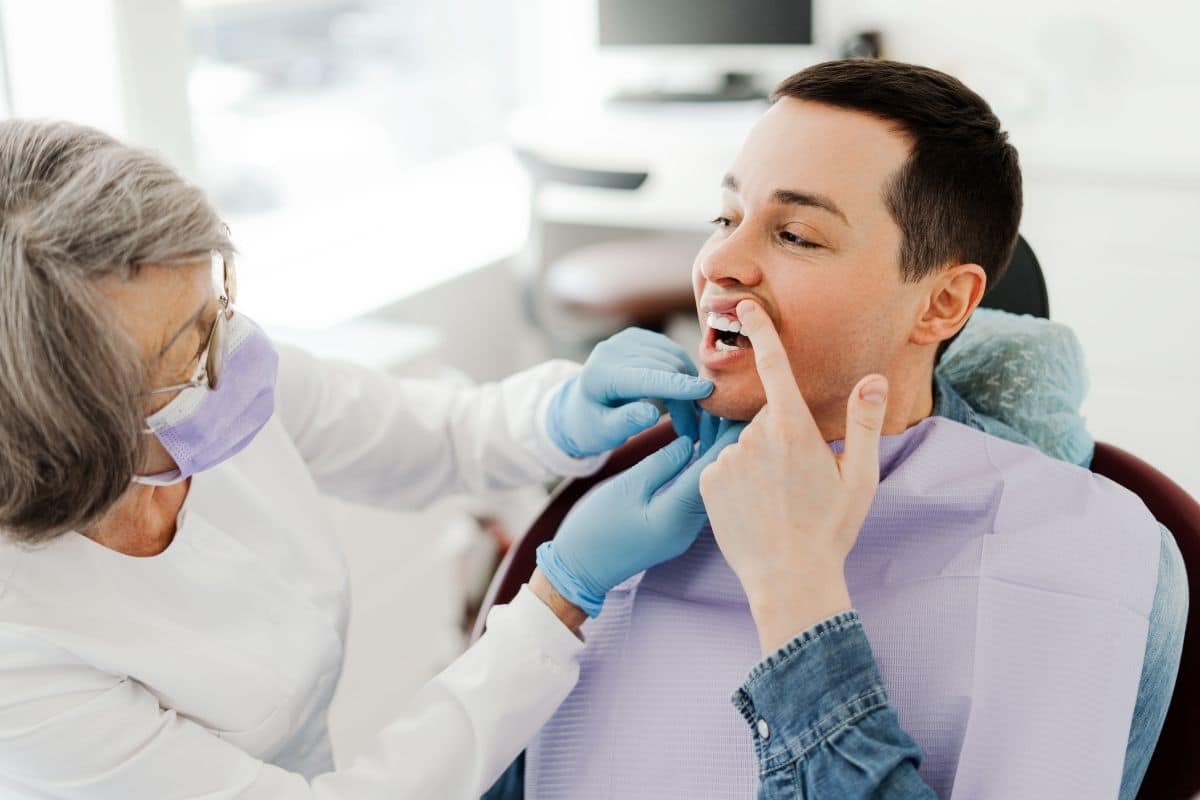
Today’s dental care model is centered around prevention and early intervention. Rather than waiting for symptoms to appear, dentists use advanced tools and techniques to detect problems at their earliest stages.
This proactive approach includes:
- Regular monitoring of oral health
- Identifying risk factors for dental disease
- Creating personalized care plans
- Treating minor issues before they progress
By focusing on prevention, dentists help patients maintain healthier smiles while avoiding more invasive treatments.
Patients searching for a dentist near me often benefit from choosing providers who emphasize proactive care.
Technologies That Support Early Detection
Modern dental practices rely on advanced technology to improve accuracy and efficiency in diagnosing oral health conditions.
Some of the tools used in proactive dentistry include:
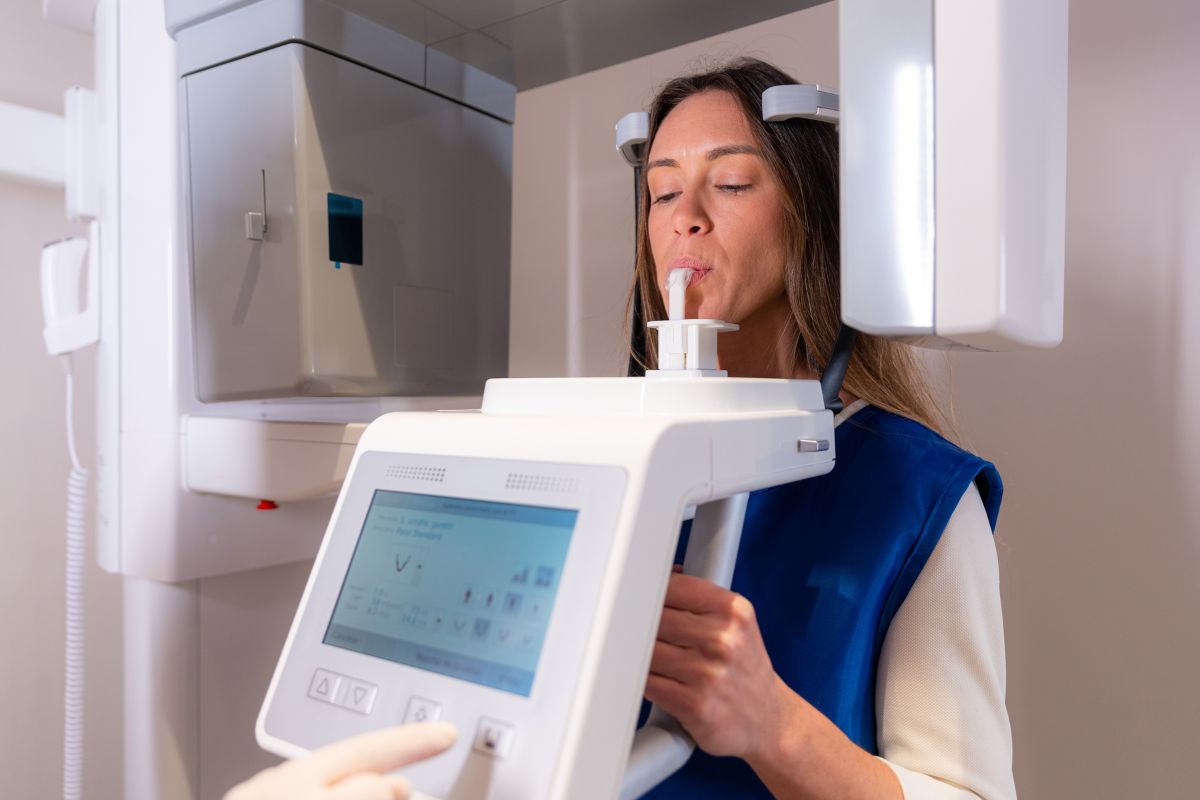
Digital X-Rays
Digital imaging in dentistry provides detailed views of teeth and bone structure, allowing dentists to detect issues that may not be visible during a standard exam.
Intraoral Cameras
These small cameras allow dentists and patients to see detailed images of the inside of the mouth, improving understanding and communication.
Cavity Detection Technology
Advanced tools can identify early signs of decay before they become visible or symptomatic.
Periodontal Measurements
Tracking gum health over time helps identify early signs of gum disease.
These technologies enable dentists to make informed decisions and provide targeted treatment recommendations.
What Proactive Dental Care Looks Like
Proactive dental care focuses on preventing problems rather than reacting to them. This approach involves taking small, timely steps to maintain oral health.
Examples of proactive care include:
- Treating small cavities before they expand
- Addressing early gum inflammation
- Monitoring bite alignment and tooth wear
- Applying preventive treatments such as sealants or fluoride
By addressing issues early, patients can avoid more extensive procedures in the future.
Benefits of Early Intervention
Early detection and treatment offer several advantages for patients.
Less Invasive Procedures
Treating dental issues early often requires simpler procedures that preserve more of the natural tooth.
Reduced Costs
Preventive care and early treatment are generally more affordable than advanced procedures.
Improved Comfort
Addressing problems before they worsen reduces the likelihood of pain or discomfort.
Better Long-Term Outcomes
Early intervention helps maintain the structure and health of teeth and gums.
Patients who visit a dentist near me regularly are more likely to benefit from these advantages.
Personalized Preventive Care Plans
No two patients have the same dental needs. Modern dentistry emphasizes personalized care plans based on individual risk factors and lifestyle.
Dentists consider factors such as:
- Age
- Medical history
- Oral hygiene habits
- Diet and nutrition
- Lifestyle choices
By tailoring care plans to each patient, dentists can provide more effective prevention strategies and long-term solutions.
Common Conditions Caught Early Today
With modern diagnostic tools, dentists can identify a wide range of conditions in their early stages.
These include:
- Early-stage cavities
- Gingivitis (early gum disease)
- Bite misalignment
- Enamel wear
- Small cracks or fractures in teeth
Detecting these conditions early allows for prompt treatment and better outcomes.
The Role of Patients in Proactive Dental Care
While dentists play a critical role in early detection, patients also contribute to maintaining their oral health.
Patients can support proactive care by:
- Attending regular dental checkups
- Maintaining consistent oral hygiene habits
- Reporting symptoms or concerns promptly
- Following recommended treatment plans
Searching for a dentist near me and establishing regular dental visits is an important step in maintaining long-term oral health.
Supporting Oral Health in Amherst, NY
Amherst is home to a community that values health, education, and preventive care. With busy schedules and active lifestyles, residents benefit from dental practices that focus on efficiency and long-term wellness.
Proactive dental care aligns well with these values, allowing patients to address potential issues early while maintaining healthy routines.
For individuals in Amherst searching for a dentist near me, choosing a provider who emphasizes prevention and modern techniques can make a meaningful difference in oral health outcomes.
Schedule a Modern Dental Consultation Today
The shift away from a “wait-and-see” approach represents a major advancement in modern dentistry. By focusing on early detection and proactive care, dental professionals can help patients avoid more serious problems and maintain healthier smiles.
Preventive care, advanced technology, and personalized treatment plans all contribute to better long-term outcomes. Instead of waiting for symptoms to appear, addressing issues early allows for more effective and comfortable treatment.
If you have been searching for a dentist near me or experienced dentists who prioritize prevention and patient-centered care, choosing a practice that embraces proactive dentistry can help protect your oral health for years to come.
At Dr. Bob’s Dental Care, Amherst, NY, patients receive comprehensive dental care focused on early detection, prevention, and long-term oral health.
Contact Dr. Bob’s Dental Care, Amherst, NY, at (716) 709-6656 today to schedule your appointment and take a proactive approach to protecting your smile.