Improving your smile can involve more than one type of dental treatment. You may be concerned about discoloration, chipped teeth, uneven tooth shapes, gaps, crowding, or crooked teeth. While these concerns can all affect how your smile looks, they do not necessarily require the same treatment.
At Dr. Bob’s Dental Care, Dr. Bob helps patients in Amherst and nearby areas choose the right treatment for their smile concerns. If you are considering treatment with a trusted cosmetic dentist in Amherst, understanding the difference between cosmetic dentistry and orthodontics is an important first step.
Cosmetic oral procedures generally focus on improving the color, shape, size, proportions, and visible condition of teeth. Orthodontic treatment focuses on moving teeth into more appropriate positions to improve alignment and, when applicable, bite relationships.
Cosmetic Dentistry vs. Orthodontics: What Is the Main Difference?
The main difference is what each treatment improves.
- Cosmetic dentistry improves the visible appearance of teeth and may restore damaged or worn tooth structure.
- Orthodontics gradually moves teeth to address concerns such as crowding, spacing, crooked teeth, and certain bite problems.
- Combined treatment may be recommended when both tooth position and tooth appearance need improvement.
Neither approach is automatically better than the other. The appropriate treatment depends on your oral health, tooth alignment, bite, existing dental work, and what you would like to change about your smile.
What Is Cosmetic Dental Treatment and What Can It Improve?
This branch of dentistry includes dental procedures that improve the appearance of teeth while considering their health and function. Depending on the treatment, cosmetic care can change tooth color, shape, proportions, surface appearance, and visible imperfections.
At Dr. Bob’s Dental Care, the treatment options include bonding, cosmetic onlays, Invisalign®, and professional teeth whitening.
Several dental procedures may be considered for:
- Stained or discolored teeth
- Chipped teeth
- Worn or uneven tooth edges
- Irregular tooth shapes
- Small spaces between teeth
- Teeth that appear too short
- Visible damage to tooth structure
- Multiple aesthetic concerns affecting the smile
The appropriate procedure depends on the underlying cause of the concern. For example, discoloration may respond to professional whitening, while a chipped or irregularly shaped tooth may require bonding or another restorative approach.
What Is Orthodontic Treatment and How Does It Work?
Orthodontics addresses tooth position and alignment. Rather than covering or reshaping the visible surface of a tooth, orthodontic treatment applies controlled forces to gradually move teeth into planned positions.
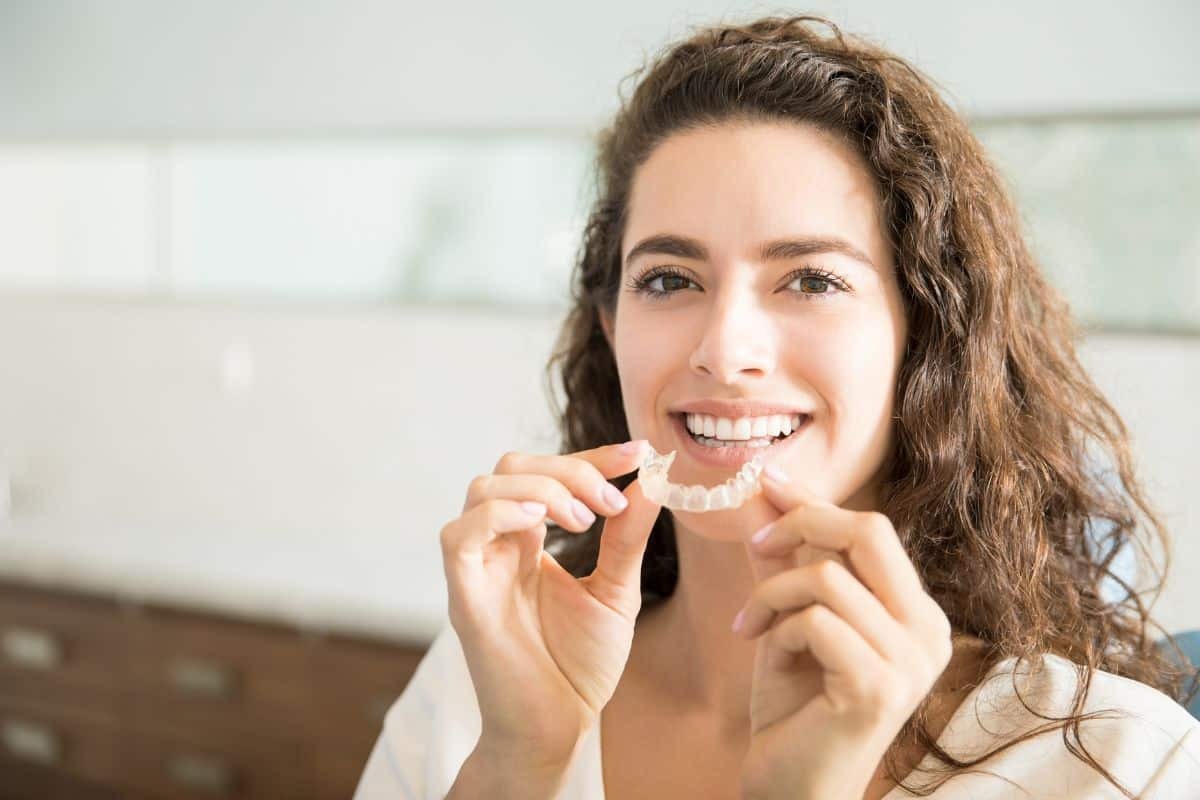
Dr. Bob’s Dental Care offers Invisalign clear aligners as an orthodontic option. Invisalign uses a planned series of removable aligners to progressively reposition teeth. Digital 3D technology helps plan the desired tooth movements and aligner sequence.
What Dental Problems Can Clear Aligners Address?
Depending on the individual case, clear aligners may be considered for:
- Crowded teeth
- Gaps or spaces between teeth
- Crooked teeth
- Certain overbite concerns
- Certain underbite concerns
- Crossbites
- Teeth requiring positional correction
Because Invisalign aligners are removable, patients can take them out to eat, brush, and floss. However, not every orthodontic concern can be managed in the same way. Treatment recommendations depend on the complexity of the tooth movements and bite correction required.
Cosmetic Dentistry vs. Orthodontics: Which Treatment Addresses Your Concern?
The easiest way to choose between the two is to think about what you want to improve.
If you are unhappy with the color, shape, size, or appearance of your teeth, cosmetic treatment may be right for you.
If you have crooked, crowded, or spaced teeth, orthodontic treatment may be a better option.
Cosmetic dentistry changes how your teeth look, while orthodontic traysmoves your teeth into better positions.
How to Determine Whether You Need Cosmetic Dentistry or Orthodontics
Before choosing a procedure, identify the specific feature of your smile you would like to change. A dental examination can then determine whether the concern originates from tooth appearance, alignment, bite, or a combination of factors.
When Cosmetic Dentistry May Be the Right Choice
This procedure may be appropriate when your primary concern is the appearance of individual teeth rather than their position.
A cosmetic dentist in Amherst can evaluate concerns such as discoloration, chips, uneven edges, worn teeth, or irregular proportions and determine which treatment options are clinically appropriate.
When Orthodontic Treatment May Be the Right Choice
Orthodontic treatment may be recommended when teeth need to be physically repositioned.
This may include crooked or crowded teeth, excessive spacing, or certain bite concerns. Clear aligner therapy can gradually move teeth according to a digitally planned treatment sequence.
When Combining Orthodontics and Cosmetic Dentistry Makes Sense
Some patients have both alignment and aesthetic concerns.
For example, a patient may have crowded front teeth as well as discoloration or worn edges. In this situation, orthodontic treatment may be completed first to improve tooth position. Cosmetic treatment can then address concerns involving tooth color, shape, or proportions.
Treating concerns in the appropriate sequence can help create a more balanced and predictable overall result.
Why Comprehensive Smile Evaluation Matters Before Treatment
Two patients can have similar-looking smile concerns yet require very different treatment plans.
Consider a visible gap between two teeth. In one patient, the space may result primarily from tooth position and could benefit from orthodontic movement. In another patient, the teeth may be properly positioned but naturally narrow, making a cosmetic procedure worth considering.
This is why treatment should be based on a clinical evaluation rather than appearance alone.
A comprehensive smile assessment may consider:
- Tooth alignment and spacing
- Bite relationships
- Tooth structure and existing wear
- Gum and periodontal health
- Existing fillings, crowns, or other restorations
- Tooth size and smile proportions
- Overall oral health
- Long-term functional and aesthetic goals
Evaluating these factors helps determine whether treatment should focus on tooth movement, cosmetic changes, restorative care, or a combination of approaches.
Can Invisalign and Cosmetic Dentistry Be Used Together?
Yes, Invisalign and cosmetic dental treatments can be combined when a patient has both alignment and aesthetic concerns.
In many cases, orthodontic treatment is completed before final cosmetic procedures because tooth movement can change spacing, tooth positions, and overall smile proportions.
A treatment plan may follow this sequence:
- Reposition the teeth with Invisalign clear aligners.
- Evaluate tooth alignment and smile proportions after orthodontic treatment.
- Address remaining discoloration with professional teeth whitening when appropriate.
- Correct remaining concerns involving tooth shape, wear, or proportions with bonding or other recommended treatments.
The exact sequence varies from patient to patient. Planning the complete smile before beginning treatment can help ensure that each stage supports the desired final result.
Are Veneers or Cosmetic Bonding an Alternative to Orthodontics?
Cosmetic procedures and orthodontics solve different problems, so one is not necessarily a substitute for the other.
Bonding or veneers may sometimes improve the appearance of minor irregularities by changing the visible shape or proportions of teeth. However, they do not physically reposition teeth in the way orthodontic treatment does.
When crowding, significant spacing, or bite relationships are involved, moving the teeth may provide a more appropriate foundation before cosmetic changes are considered.
A clinical examination is necessary to determine which approach is suitable without unnecessarily altering healthy tooth structure.
What Should You Consider Before Choosing a Smile Treatment?
Aesthetic goals are important, but they are only one part of treatment planning. The condition of your teeth, gums, bite, and existing dental restorations should also be evaluated.
Before deciding on treatment, consider:
- Your primary concern: Is it color, shape, alignment, spacing, or several issues?
- Your oral health: Cavities and gum problems may need attention before elective cosmetic care.
- Your bite: Tooth position and bite relationships can influence treatment recommendations.
- Your tooth structure: Existing wear, chips, restorations, and enamel condition may affect your options.
- Your long-term goals: Treatment should support both the appearance and function of your smile.
This comprehensive approach helps avoid choosing a cosmetic solution for a problem that is primarily orthodontic, or orthodontic treatment for a concern that can be addressed more directly through cosmetic care.
Find the Right Treatment for Your Smile
The right treatment depends on what you want to improve. Orthodontics can address crooked, crowded, or spaced teeth, while cosmetic dentistry can improve concerns such as discoloration, chips, wear, and tooth shape. In some cases, combining both treatments may be recommended.
At Dr. Bob’s Dental Care, our cosmetic dentist in Amherst can help you understand your options. Book an appointment to get started.
Frequently Asked Questions
1. Is Cosmetic Dentistry Faster Than Orthodontic Treatment?
Such treatments can sometimes produce visible changes more quickly because they do not always require gradual tooth movement. Whitening and bonding, for example, may require less time than orthodontic treatment. The total treatment timeline depends on your oral health, procedure, and treatment goals.
2. Can Cosmetic Dentistry Fix Crooked Teeth?
This branch of dentistry may improve the appearance of certain minor irregularities through procedures such as bonding. However, moderate or significant crowding and positional problems generally require orthodontic tooth movement. A dental evaluation can determine the most appropriate approach.
3. Do I Need Invisalign Before Cosmetic Dental Treatment?
Not necessarily. Invisalign may be recommended first when tooth position could affect the outcome of planned cosmetic treatment. If alignment is already acceptable, cosmetic treatment may be completed without orthodontics.
4. Can Invisalign And Teeth Whitening Be Part Of The Same Smile Plan?
Yes. Invisalign and professional teeth whitening can be incorporated into the same overall treatment plan. Your dentist can determine the appropriate timing based on your orthodontic progress, oral health, and desired final result.
5. Are Veneers A Replacement For Orthodontic Treatment?
Veneers are not a direct replacement for orthodontics. Veneers change the visible shape, size, color, and proportions of teeth, while orthodontic treatment physically repositions teeth. The appropriate option depends on the underlying reason for the smile concern.
6. Should I Straighten Or Whiten My Teeth First?
When both treatments are planned, tooth alignment is often addressed before final whitening or cosmetic procedures. However, treatment sequencing varies. Your dentist can develop a plan based on your tooth positions, existing restorations, and aesthetic goals.
7. Can I Get Cosmetic Dentistry If I Have Gum Disease Or Cavities?
Active dental disease generally needs to be addressed before elective cosmetic procedures. Healthy teeth and gums provide a more stable foundation for cosmetic and orthodontic treatment.
8. How Do I Know Which Cosmetic Dental Procedure Is Right For Me?
The appropriate procedure depends on what you want to change and the condition of your teeth, gums, and bite. A comprehensive examination can identify whether cosmetic dentistry, orthodontics, restorative treatment, or a combination of approaches is most appropriate.