A minor ache while drinking cold water, a faint sensitivity to morning coffee, or a small rough edge on a back molar often seems easy to dismiss. In the middle of managing work, family commitments, and daily responsibilities across Western New York, setting aside time for routine or restorative dental care might feel like a convenient way to save both hours and money. Many people naturally operate under the assumption that if a tooth does not cause severe, debilitating pain, the issue can wait until a more convenient time down the road.
However, teeth possess a biological structure unlike almost any other part of the human body. Unlike a minor skin scratch that heals on its own or a sprained muscle that recovers with rest, compromised enamel and active tooth decay cannot self-repair. The human body cannot regenerate lost tooth structure once it has been destroyed by oral bacteria or physical trauma. Consequently, a small, benign-looking dental issue never remains static; it steadily and predictably progresses into a far more complex condition.
At Dr. Bob’s Dental Care, our lead dentist, Dr. Jason Creps, emphasizes compassionate, patient-centered care designed to protect natural tooth structures long before minor concerns evolve into urgent dental emergencies. As a trusted restorative dentist in Niagara Falls, Dr. Jason Creps works closely with individuals and families across Niagara County to restore healthy, fully functional smiles in a warm, welcoming, and relaxed environment.
The Silent Biological Progression of Dental Decay and Damage
To truly understand why postponing dental care carries such significant risks, it is helpful to look at the inner anatomy of a human tooth and how destructive processes move through its layers over time. A healthy tooth is composed of hard, protective outer layers surrounding a sensitive, living core. When those outer defenses are breached by oral bacteria, acids, or physical trauma, a chain reaction begins beneath the surface.
Enamel Erosion to Dentin Exposure
The outermost layer of the tooth, known as enamel, is the hardest substance in the human body. Enamel acts as a formidable shield protecting the delicate inner layers. However, when bacterial plaque accumulates, it releases acidic byproducts that gradually dissolve this enamel mineral matrix, forming a localized cavity. In its earliest phase, an enamel cavity causes no pain at all because enamel lacks sensory nerves.
If this initial lesion is ignored, bacteria penetrate past the enamel boundary into the underlying dentin. Dentin is significantly softer and far more porous than enamel, containing microscopic tubules that lead directly toward the nerve center of the tooth. Once decay enters the dentin, it spreads rapidly outward and downward, creating a hidden, expanding cavity beneath what may still look like a small surface spot. At this stage, you may begin noticing sharp twinges of discomfort when consuming hot, cold, or sugary foods.
Deep Dentin Infiltration and Nerve Inflammation
As bacteria continue to digest the organic matrix of the dentin, the floor of the cavity moves closer to the dental pulp. The pulp is the living engine of the tooth, housing delicate blood vessels, connective tissues, and sensory nerves.
When bacteria and their toxic byproducts approach the pulp chamber, the immune system responds with inflammation. Because the pulp is housed inside a rigid chamber of hard dentin, inflammation creates immense internal pressure. What started as mild, intermittent sensitivity turns into persistent, throbbing aches, lingering pain at night, and an inability to chew food comfortably.
Pulp Necrosis and Periapical Abscess Formation
If restorative treatment is delayed even further during the inflammatory stage, the elevated pressure within the sealed pulp chamber cuts off its own blood supply. The nerve tissue eventually dies, a process known as pulp necrosis. Paradoxically, the sharp pain may temporarily subside once the nerve dies, leading many individuals to believe the tooth has magically healed itself.
In reality, the dead pulp chamber becomes an ideal breeding ground for anaerobic bacteria. These bacteria multiply unchecked and travel down the root canals, exiting through the tiny openings at the tips of the roots into the surrounding jawbone. This triggers a localized, painful infection known as a periapical abscess. Symptoms now expand to include localized gum swelling, facial edema, a bad taste in the mouth, bone loss around the root, and potential systemic health complications if the infection spreads through tissue planes.
Severe Structural Breakdown and Loss
Parallel to the bacterial invasion, the physical integrity of the tooth continuously weakens as solid structure is lost to decay. Teeth endure hundreds of pounds of pressure every day during routine chewing. When internal dentin support is destroyed, the thin surrounding shells of remaining enamel are left unsupported. Eventually, normal biting forces cause large sections of the tooth crown to shear off, often fracturing deep below the gumline or splitting the root vertically, rendering the entire tooth un-restorable.
The Widespread Consequences of Postponed Restorative Care
The effects of delaying restorative dental treatment extend far beyond the physical boundaries of a single compromised tooth. The oral cavity functions as a unified, complex mechanical and biological system. When one component fails or causes discomfort, the surrounding structures suffer collateral damage.
| Aspect Affected | Impact of Immediate Care | Impact of Delayed Care |
|---|---|---|
| Bite & Mechanics | Preserves balance; prevents abnormal wear on adjacent teeth | Shifts chewing, causing jaw joint stress (TMJ) and tooth drifting |
| Financial Cost | Conservative, highly affordable repairs | Complex, multi-step procedures with higher financial investment |
| Treatment Time | Short, single-visit procedures | Extended appointments, emergency visits, or surgical extractions |
| Systemic Health | Eliminates local bacteria before they enter the bloodstream | Chronic inflammation and increased bacterial load in the body |
Bite Misalignment and Compensatory Chewing
When chewing on a broken or sensitive tooth causes pain, you instinctively adjust your biting patterns to shift food to the opposite side of your mouth. While this unconscious accommodation provides short-term relief, it creates significant long-term strain. Unilateral chewing forces the muscles on one side of your face to work twice as hard, often triggering jaw joint fatigue, muscle spasms, and temporomandibular joint (TMJ) dysfunction.
Additionally, the healthy teeth taking on the extra workload experience accelerated surface wear, enamel micro-cracks, and localized gum recession. If the compromised tooth eventually fractures so severely that it must be extracted, the adjacent teeth on either side slowly tilt and drift into the empty gap, while the opposing tooth in the opposite arch begins to super-erupt into the space. This domino effect disrupts your entire bite alignment, creating complex orthodontic and occlusal issues.
Escalating Financial and Operational Burden
From a practical standpoint, proactive dental treatment is one of the best ways to keep healthcare costs predictable and manageable. A simple filling requires minimal time, preserves the majority of your natural tooth, and carries a modest financial cost.
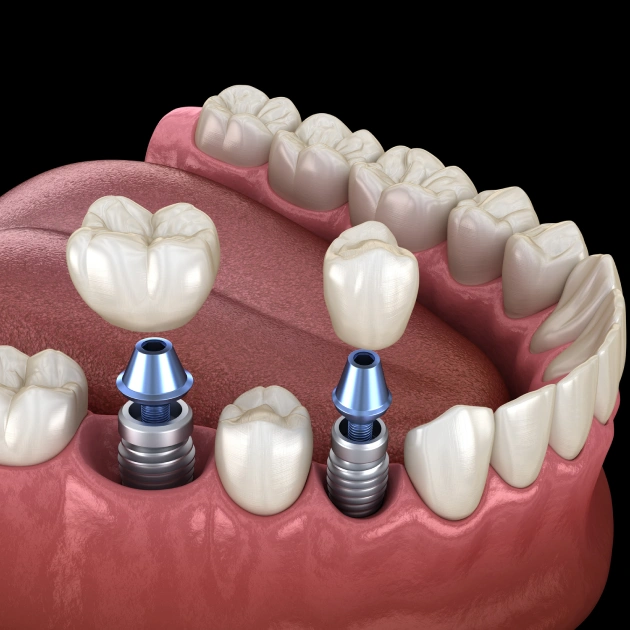
Conversely, delaying care until pain forces an urgent office visit dramatically increases both the clinical complexity and the associated financial investment. A condition that could have been fixed with a routine filling may now demand endodontic care, structural post placement, and a full-coverage white crown, or an extraction followed by tooth replacement solutions like dental bridges or implants. By visiting a trusted restorative dentist in Niagara Falls at the first sign of trouble, you protect both your oral health and your long-term budget.
Overall Systemic Health Considerations
Chronic oral infections are not isolated to the mouth. Your teeth are embedded within vascular tissue with direct pathways to your circulatory system. When deep decay produces continuous bacterial presence and tissue inflammation within the jawbone, bacteria can periodically enter the bloodstream. Research consistently demonstrates that chronic periodontitis and untreated endodontic infections place a constant, measurable burden on the immune system, exacerbating inflammatory conditions throughout the body. Resolving oral breakdown quickly helps maintain systemic stability.
Take the First Step Toward a Healthier Smile Today
Delaying restorative dental care might seem like a simple way to save time, but unaddressed decay and structural damage only worsen over time. Protecting your smile early prevents discomfort, avoids complex procedures, and preserves your natural teeth for years to come. By prioritizing timely treatment, you protect both your oral health and your peace of mind.
Don’t wait for minor dental discomfort to turn into a major headache. Contact Dr. Bob’s Dental Care in Niagara Falls today to schedule your consultation with Dr. Jason Creps and keep your smile healthy, strong, and bright!
FAQs
1. What are the earliest signs that I need a restorative dental procedure?
Early indicators include persistent tooth sensitivity to temperature or sweets, mild discomfort when biting down, visible dark spots, or a rough edge on a tooth. Prompt evaluation prevents minor issues from progressing into severe decay.
2. Is it safe to postpone a recommended dental filling for a few months?
Delaying a filling allows bacteria to penetrate deeper into the dentin. Over a few months, a simple cavity can expand dramatically, potentially requiring endodontic treatment or a white crown rather than a minor repair.
3. Can a damaged tooth heal itself if I maintain good brushing habits?
While early enamel demineralization can be remineralized with fluoride, an actual cavity or structural fracture cannot self-heal. Dental intervention is required to remove decay and restore the tooth’s physical strength and structural integrity.
4. How do white crowns differ from standard dental fillings?
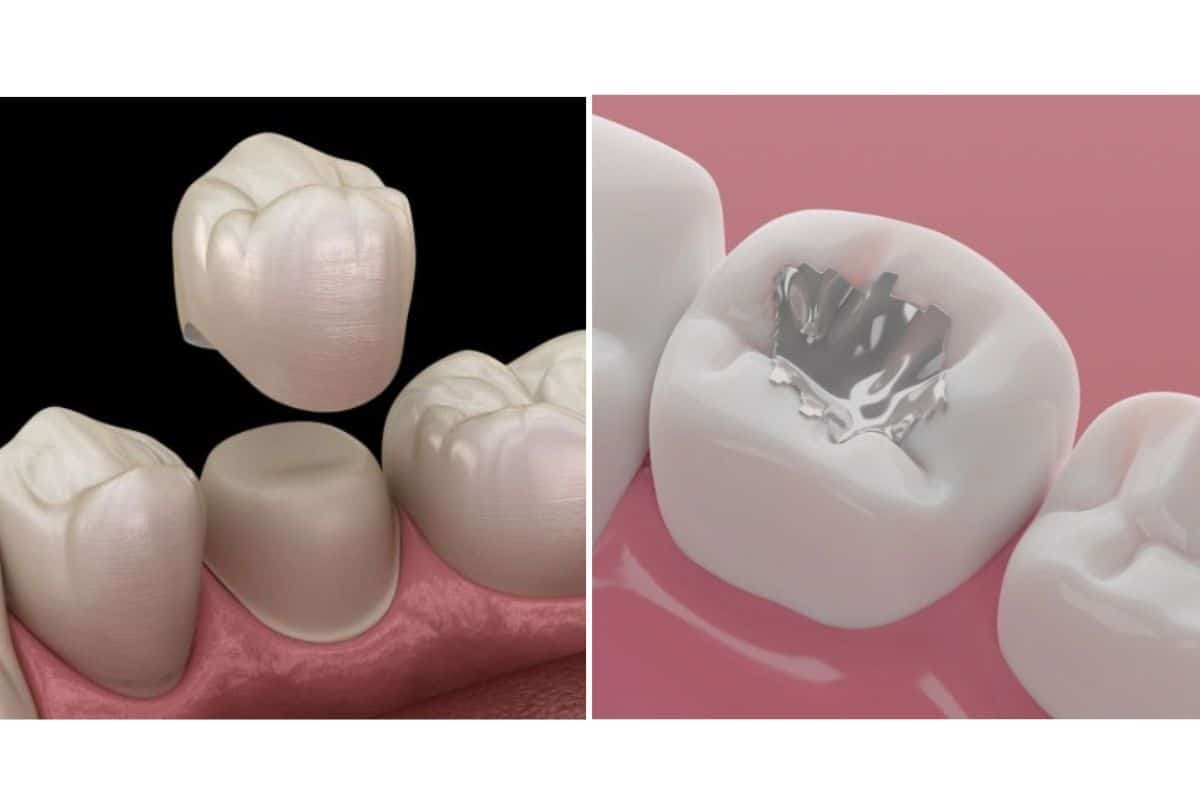
Fillings repair small areas of decay within a tooth’s natural structure. White crowns completely cover and protect teeth that have experienced severe structural loss, extensive decay, or fractures, restoring full strength and a natural look.
5. What happens if a cavity reaches the tooth nerve?
Once decay reaches the inner nerve pulp, it triggers severe pain and infection. At this stage, a standard filling is insufficient, and advanced endodontic treatment or extraction is necessary to clear the infection.
6. Will delaying restorative dental care increase my total treatment costs?
Yes. Conservative repairs like fillings are low-cost. Postponing treatment allows decay to spread, resulting in complex procedures like crowns or extractions that require significantly higher financial investment and clinical time.
7. How quickly should I schedule an appointment for a broken tooth?
You should schedule an evaluation immediately. An exposed, broken tooth is highly susceptible to rapid bacterial invasion and further fracturing, making prompt restorative dental intervention vital to saving the natural tooth structure.