Achieving a straight, well-aligned, and radiant smile is no longer tied strictly to traditional metal brackets and wires. Across Western New York, modern cosmetic dentistry has evolved rapidly, allowing patients to transform their teeth with discreet, smooth, and removable clear aligners. Whether you are an adult seeking a subtle orthodontic enhancement for professional confidence or the parent of a teenager looking for an aesthetic way to align their teeth, determining candidacy for clear aligners is the essential first step.
At Dr. Bob’s Dental Care, our experienced dentist, Dr. Jason Creps, provides customized, patient-first orthodontic solutions tailored to your unique lifestyle and oral health needs. If you are considering Invisalign in Niagara Falls, understanding the specific clinical and lifestyle criteria that make someone an ideal candidate will empower you to make informed decisions about your smile.
Understanding How Invisalign Clear Aligners Work
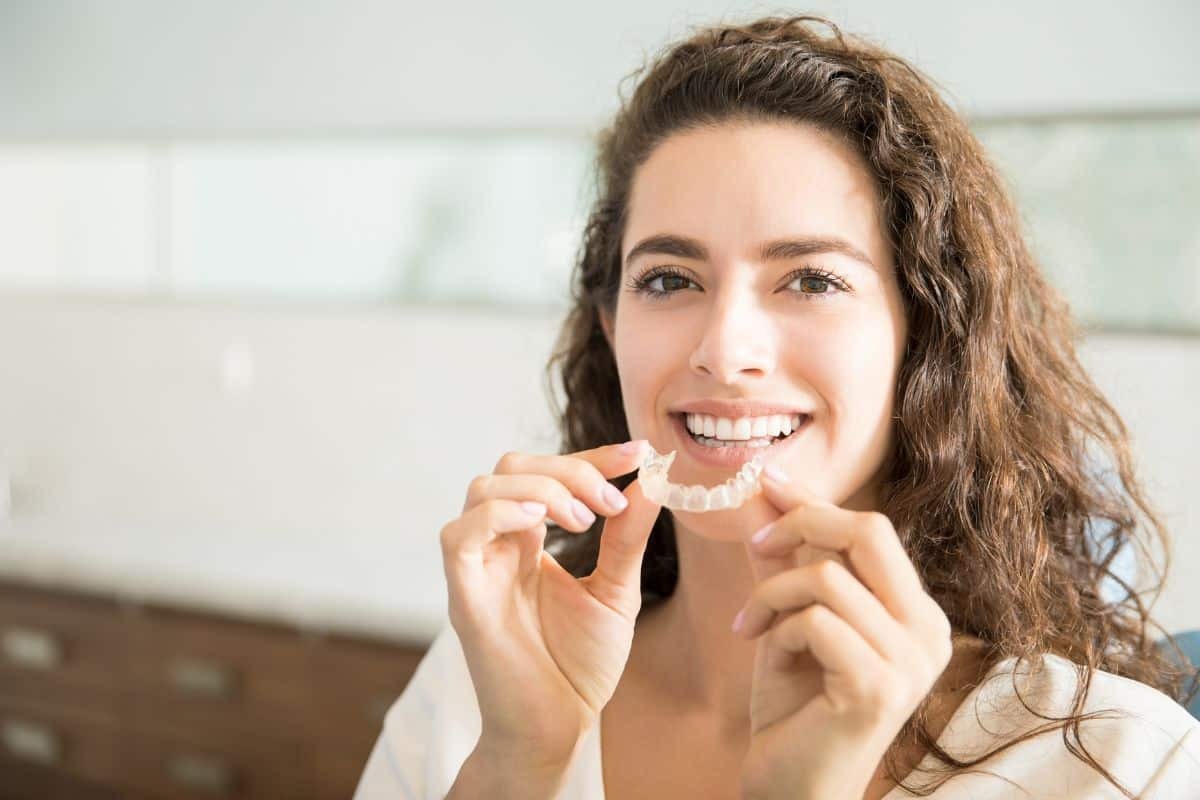
Before exploring candidacy criteria, it helps to understand the mechanism behind clear aligner therapy. These aligners utilize a series of custom-molded, medical-grade thermoplastic trays engineered to apply gentle, constant pressure to targeted teeth. Over time, these precise micro-movements guide your teeth into optimal clinical alignment.
Unlike fixed metal braces that rely on elastic bands and archwires, clear aligners are completely removable. You take them out to eat, drink, brush, and floss, returning them to your mouth for at least 20 to 22 hours per day. Because the trays are custom-fabricated using advanced 3D digital imaging, they sit flush against your gumline, making them virtually imperceptible to those around you.
Key Characteristics of an Ideal Invisalign Candidate
While clear aligner technology can treat a wide array of dental issues, candidacy depends on clinical factors, age, and individual compliance. Below are the core qualifications that make an individual a good fit for treatment.
Mild to Moderate Orthodontic Misalignments
Clear aligners excel at treating a wide spectrum of mild to moderate bite and positioning issues:
- Crowded Teeth: When there is insufficient space in the jawbone for teeth to fit naturally, they can overlap, rotate, or push forward. Clear aligners create space and align the arch.
- Gapped Teeth (Diastema): Unwanted spacing or gaps between teeth can trap food and compromise bite function. These aligners gradually draw teeth together to close gaps.
- Overbite: Occurs when the upper front teeth overlap significantly over the lower front teeth.
- Underbite: Occurs when the lower teeth protrude past the upper front teeth.
- Crossbite: Occurs when one or several upper teeth sit inside the lower teeth when biting together.
- Open Bite: Occurs when the upper and lower teeth do not make contact when the mouth is closed, leaving a vertical gap.
For severe structural malocclusions or complex skeletal jaw discrepancies, traditional orthodontics may still be recommended. An in-person consultation determines whether clear aligners will deliver the best outcome.
Adults and Dedicated Teenagers
Age plays a significant role in orthodontic treatment design. These clear aligners are generally suitable for:
- Adults of All Ages: Adults love clear aligners because they allow them to straighten their teeth without compromising their professional appearance. Whether you had braces in your youth and experienced relapse or are straightening your teeth for the first time, clear aligners offer an ideal solution.
- Teenagers: Invisalign Teen is specially designed for younger patients whose permanent teeth are still emerging. Trays feature compliance indicators (small blue dots that fade with wear) to help parents and dentists ensure the aligners are being worn as instructed.
Young children whose adult teeth and jaw structures are still developing are generally not candidates for clear aligners until primary teeth have been replaced.
Excellent Oral Health and Clean Dentition
Before initiating any orthodontic movement, your underlying oral health must be stable. Healthy teeth and gums are essential for safe tooth movement:
- No Active Decay: Cavities must be filled before aligner impressions or digital scans are taken. Placing aligners over untreated decay can trap bacteria and worsen tooth structure.
- Healthy Periodontal Foundations: Tooth movement relies on a healthy periodontal ligament and strong bone support. Patients with untreated gum disease (periodontitis) must undergo periodontal therapy first to prevent bone loss or tooth mobility during movement.
- Stable Restorations: Existing dental crowns or bonding are fine, but extensive bridgework or dental implants (which do not move once integrated into bone) must be accounted for during digital treatment planning.
A Commitment to Daily Compliance
Perhaps the single most critical factor in determining whether someone is a good candidate for clear aligners is daily discipline. Because aligners are removable, the success of your treatment rests largely in your hands.
To keep your treatment on schedule and achieve predictable results, you must commit to:
- Wearing Aligners 20 to 22 Hours Daily: Aligners should only be removed when eating meals, drinking non-water beverages, and performing oral hygiene routines.
- Following the Switch Schedule: You will transition to a new set of custom aligners approximately every 1 to 2 weeks as prescribed by your practitioner.
- Maintaining Rigorous Oral Hygiene: Brushing and flossing after every meal before reinserting your trays prevents food particles and sugars from being trapped against your enamel.
- Attending Routine Check-Ups: Periodic progress visits every 6 to 8 weeks ensure your teeth are tracking properly according to your 3D treatment plan.
If you know you are prone to misplacing removable items or struggle with routine compliance, fixed options may be more suitable.
Factors That May Require Special Consideration or Alternative Treatments
While clear aligners are incredibly versatile, certain complex dental conditions may necessitate pre-treatment or alternative orthodontic approaches:
- Severe Rotations or Tipped Teeth: Teeth rotated more than 45 degrees or severely tipped may require traditional bracket leverage or specialized attachments.
- Large Intrusions or Extrusions: Moving teeth deep into or significantly out of the jawbone can be challenging with clear trays alone.
- Short or Peg-Shaped Teeth: Teeth with insufficient surface area may not provide enough grip for aligners to apply adequate moving force.
- Severe Skeletal Jaw Mismatches: Discrepancy between upper and lower jaw sizes often requires surgical orthodontic intervention.
During your comprehensive exam, digital 3D imaging will clearly map out what aligner movement can accomplish for your specific anatomy.
What Patients Can Expect During The Process:
Choosing Invisalign in Niagara Falls provides a streamlined, comfortable pathway to a renewed smile. Here is a step-by-step breakdown of what your journey involves:
- Comprehensive Consultation & Digital Scanning: Your journey begins with a complete dental assessment. Using advanced 3D digital scanners, we create precise digital impressions of your teeth, eliminating messy, uncomfortable traditional bite putty.
- Custom 3D Treatment Map: Advanced software maps out every stage of tooth movement from start to finish. You can view a virtual representation of your final predicted outcome before treatment even begins.
- Receiving Your Custom Trays: Once fabricated from smooth SmartTrack® material, your custom aligners are fitted in our office. We ensure a snug, comfortable fit and provide full instructions on wear and care.
- Progress Checks & Aligner Swaps: Every few weeks, you transition to your next set of aligners at home. Periodic check-ins allow us to monitor your progress, provide your next aligner sets, and make any subtle refinements.
- Retainers for Lasting Results: Upon completing your aligner series, custom clear retainers are crafted to preserve your newly straightened teeth and prevent relapse.
Comparing Clear Aligners to Traditional Metal Braces
Understanding how clear aligner therapy compares to traditional metal braces helps highlight why so many patients opt for clear trays:
| Feature | Invisalign Clear Aligners | Traditional Metal Braces |
|---|---|---|
| Appearance | Virtually invisible clear plastic | Visible metal brackets and wires |
| Removability | Completely removable for eating and hygiene | Fixed permanently for duration of care |
| Dietary Restrictions | None (remove trays while eating) | Avoid hard, sticky, or chewy foods |
| Oral Hygiene Routine | Standard brushing and flossing | Specialized flossers and interdental brushes |
| Comfort Level | Smooth plastic; no sharp metal | Archwires and metal brackets may irritate soft tissues |
| In-Office Visits | Quick checks every 6 – 8 weeks | Manual wire tightening appointments every 4 weeks |
Maintaining Your Aligners for Optimal Results
To keep your clear aligners hygienic, invisible, and working efficiently throughout your treatment, follow these practical maintenance protocols:
- Rinse Trays Upon Removal: Always rinse aligners under cool or lukewarm water when taking them out. Never use hot water, as heat can warp the plastic.
- Clean Daily: Gently brush your aligners using a soft-bristled toothbrush and mild clear liquid soap or specialized aligner cleaning crystals. Avoid abrasive toothpaste, which can scratch the trays and make them appear cloudy.
- Store Safely in Their Case: Whenever aligners are not in your mouth, place them directly in their protective carrying case to avoid accidental damage or loss.
- Brush Before Reinserting: Trapping plaque or food remnants beneath aligners increases your risk of cavities and enamel staining. Always clean your teeth before putting your trays back in.
Realizing the Health and Aesthetic Benefits of an Aligned Smile
Straightening your teeth goes far beyond improving your appearance. Properly aligned teeth offer significant long-term oral health benefits:
- Easier Cleaning & Reduced Plaque Accumulation: Overlapping or crowded teeth create tight spaces that toothbrush bristles cannot reach. Straightening your arch eliminates these bacterial traps, significantly lowering your risk of tooth decay and gum disease.
- Healthier Gums: Tightly aligned teeth help periodontal tissue fit more securely around each root, forming a stronger barrier against infection.
- Reduced Abnormal Tooth Wear: Misaligned bites cause uneven distribution of force across your arch, leading to premature enamel wear, chipped edges, and flattened biting surfaces. Correcting your bite preserves natural enamel.
- Relief from Jaw Tension: Proper arch positioning balances bite forces, easing unnecessary pressure on your temporomandibular joint (TMJ) and surrounding facial muscles.
Personalized Dental Care You Can Trust
Choosing a local dental provider for your clear aligner journey ensures continuity of care, convenient progress check-ups, and immediate support whenever questions arise. When seeking Invisalign in Niagara Falls, having an experienced local team monitoring your treatment makes all the difference in achieving predictable, beautiful results.
If you are ready to evaluate your candidacy and discover how clear aligners can transform your smile, visit our dental practice in Niagara Falls to get a well-aligned smile with our personalized treatment.
Frequently Asked Questions
1. How many hours a day do I need to wear Invisalign aligners?
You must wear your aligners for 20 to 22 hours daily. Only remove them when eating, drinking anything other than plain water, brushing, or flossing to ensure your treatment stays on schedule.
2. Will wearing Invisalign clear aligners affect my speech or cause a lisp?
Some patients notice a minor lisp during the first few days of wearing new aligners. However, as your tongue adjusts to the smooth plastic trays, your speech quickly returns to normal within a week.
3. How do I clean and care for my Invisalign aligners properly?
Clean your aligners daily using lukewarm water and a soft-bristled toothbrush with gentle, clear soap or specialized cleaning crystals. Avoid using hot water or abrasive toothpaste, which can warp or scratch clear plastic.
4. Is treatment with Invisalign clear aligners painful or uncomfortable?
You may experience mild pressure or tenderness for a few days after switching to a new aligner set. This temporary discomfort is a normal sign that your aligners are gently shifting your teeth into alignment.
5. Can I eat or drink while wearing my clear aligners?
You should only drink plain water while wearing your aligners. Always remove your clear trays before eating any food or drinking hot, sugary, or colored beverages to avoid warping or staining the plastic material.
6. How long does an average Invisalign treatment take to complete?
An average Invisalign treatment takes between 12 to 18 months, depending on your individual complexity and daily wear compliance. Mild misalignment cases can often be corrected in as few as six to nine months.
7. Do I need to wear a retainer after completing Invisalign treatment?
Yes, wearing a custom retainer after Invisalign treatment is essential. Retainers prevent your teeth from gradually shifting back to their original positions, ensuring your straight, healthy smile lasts a lifetime.