When people lose a tooth, their first concern is usually the visible gap in their smile. What many do not realize is that the most important changes often happen beneath the gums. Once a tooth is gone, the jawbone in that area begins to shrink because it no longer receives stimulation from the tooth root. Over time, this bone loss can affect facial appearance, chewing ability, and even future tooth replacement options.
For anyone considering dental implants, understanding the connection between bone health and implant success is essential. Bone loss does not automatically prevent implant treatment, but it can influence how treatment is planned and what procedures may be needed beforehand.
At Dr Bob’s Dental Care, helping patients understand the health of their jawbone is an important part of implant treatment planning. Dr. Robert LaCarrubba uses advanced diagnostics and evidence-based treatment protocols to evaluate implant candidacy and long-term success potential. The information in this guide reflects the same principles we discuss with patients during consultations.
Why Is Jawbone Health So Important for Implant Treatment?
Implants depend on healthy bone support. Without adequate bone volume and density, an implant may not achieve the stability necessary for long-term success.
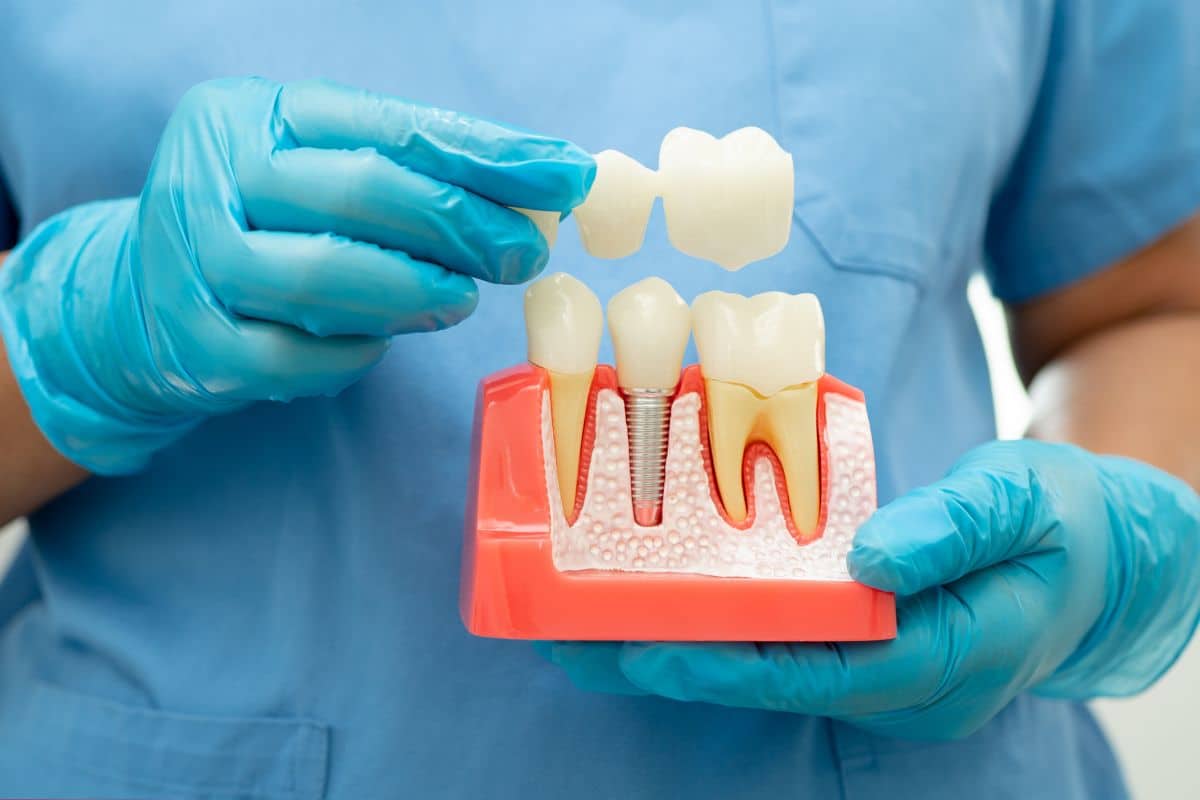
Unlike a dental bridge or removable denture, an implant is placed directly into the jawbone. The implant acts as an artificial tooth root and becomes integrated with the surrounding bone through a biological process called osseointegration.
This connection is what allows implants to feel stable when eating, speaking, and smiling. The stronger the surrounding bone, the stronger the foundation supporting the implant.
A healthy jawbone helps:
- Stabilize the implant during healing
- Support long-term chewing function
- Maintain natural facial contours
- Improve the appearance of the final restoration
- Reduce the risk of future complications
When bone loss occurs, these benefits can become more difficult to achieve without additional treatment.
What Causes Bone Loss After Tooth Loss?
Bone loss begins because the jawbone no longer receives stimulation from a tooth root. The body gradually removes bone that is no longer needed for support.
The process can start surprisingly quickly after a tooth is lost or extracted. Over time, the bone may become thinner, shorter, and less dense.
Several factors can accelerate bone loss:
- Untreated missing teeth
- Advanced gum disease
- Dental trauma
- Long-term denture use
- Chronic oral infections
- Tobacco use
- Certain medical conditions affecting bone metabolism
According to the National Institute of Dental and Craniofacial Research, periodontal disease remains one of the leading causes of tooth loss among adults in the United States. Because gum disease damages both soft tissue and supporting bone, it can significantly impact future implant treatment options.
How Does Bone Loss Affect the Treatment Success?
Bone loss can influence implant stability, healing, appearance, and long-term outcomes. The severity of bone loss often determines the complexity of treatment.
Understanding these effects helps explain why dentists place such a strong emphasis on evaluating bone before implant placement.
Reduced Implant Stability
Every implant requires a secure foundation during healing.
When sufficient bone surrounds the implant, it remains stable while osseointegration occurs. If bone volume is inadequate, achieving the same level of stability can be more challenging.
This does not automatically mean treatment will fail, but it often requires more detailed planning.
Increased Risk of Healing Complications
Implants heal best when they are supported by healthy surrounding bone.
Severe bone deficiencies may increase the likelihood of complications if they are not addressed before treatment. Modern diagnostic imaging helps identify these concerns early so they can be managed appropriately.
Changes in Smile Appearance
Bone loss affects more than function.
The jawbone supports the gums, lips, and overall facial structure. As bone shrinks, the overlying soft tissue may also recede, sometimes creating a sunken appearance around the mouth.
For implant patients, preserving or rebuilding bone often plays an important role in achieving natural-looking cosmetic results.
More Complex Treatment Planning
The greater the amount of bone loss, the more likely additional procedures may be recommended before implant placement.
Fortunately, advances in implant dentistry allow many patients with bone deficiencies to become successful candidates for treatment.
Can You Still Get Implants If You Have Bone Loss?
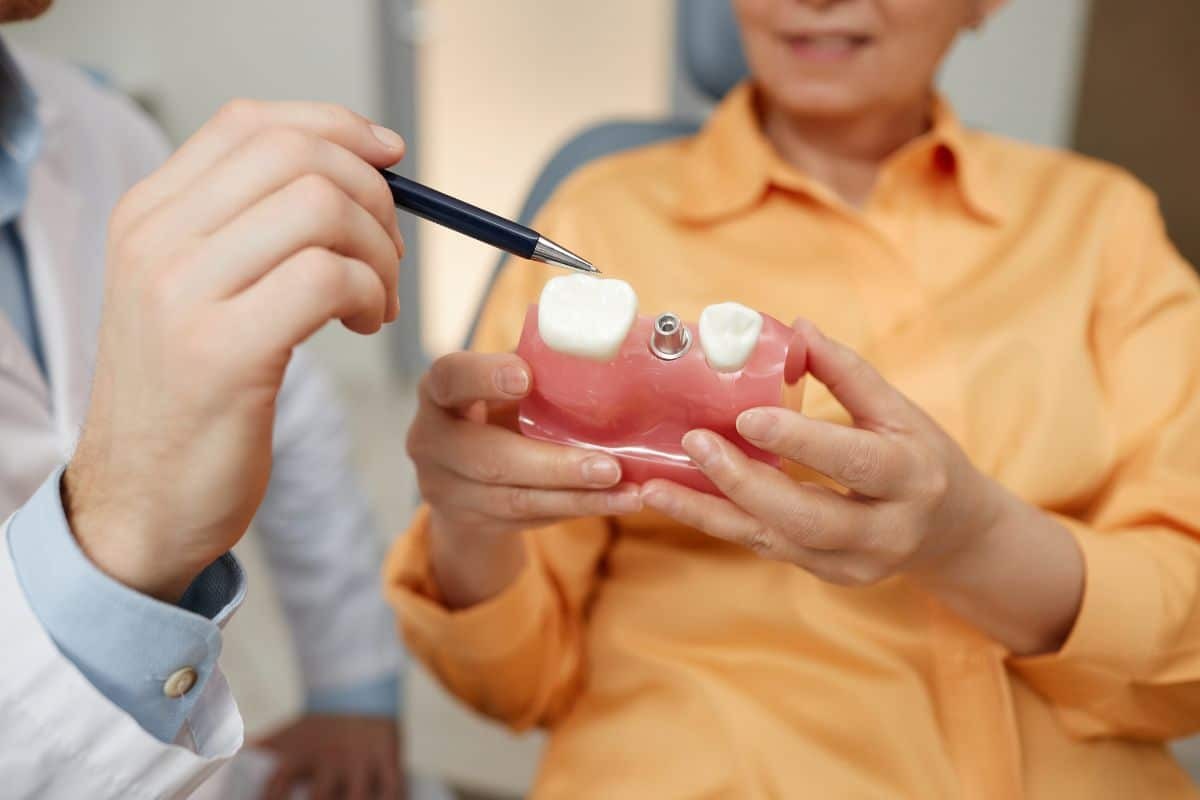
Yes. Many patients with bone loss can still receive these artificial tooth roots after appropriate evaluation and treatment planning.
One of the most common misconceptions about implants is that bone loss automatically eliminates treatment options.
In reality, modern regenerative procedures have significantly expanded who may qualify for implant treatment.
Patients exploring dental implants in Amherst are often surprised to learn that even moderate or advanced bone loss can frequently be managed through bone-preservation and bone-rebuilding techniques.
The only reliable way to determine eligibility is through a comprehensive examination and advanced imaging assessment.
How Do Dentists Evaluate Bone Before Implant Treatment?
A thorough implant evaluation measures bone quantity, bone quality, and surrounding anatomy to determine the safest and most predictable treatment approach.
Successful implant treatment starts with accurate diagnostics.
Clinical Examination
Your dentist evaluates:
- Gum health
- Existing teeth
- Bite function
- Signs of infection
- Overall oral health
Advanced 3D Imaging
Cone beam computed tomography (CBCT) scans provide detailed three-dimensional images of the jaw.
These scans help assess:
- Bone height
- Bone width
- Bone density
- Nerve pathways
- Sinus anatomy
- Potential implant locations
Health and Lifestyle Assessment
Factors such as smoking, diabetes, medication use, and previous dental treatment can influence healing and implant success.
A complete evaluation allows treatment recommendations to be customized for each patient.
What Treatments Can Help Restore Lost Bone?
Bone augmentation procedures can rebuild areas affected by bone loss and create a stronger foundation for implant placement.
The appropriate treatment depends on the location and severity of bone deficiency.
Bone Grafting
Bone grafting is one of the most common methods used to rebuild lost bone.
The graft acts as a scaffold that encourages the body to generate new bone over time.
Socket Preservation
When performed immediately after tooth extraction, socket preservation helps reduce bone shrinkage and maintain future implant options.
This proactive approach often helps preserve the natural shape of the jaw.
Sinus Augmentation
Bone loss in the upper back jaw may require a sinus augmentation procedure.
This treatment creates additional bone height beneath the sinus cavity to support implant placement.
Guided Bone Regeneration
Specialized membranes can be used to protect the healing site and encourage targeted bone growth.
This technique is often beneficial in carefully selected cases.
Why Acting Early Can Make a Difference
The sooner a missing tooth is addressed, the better the chances of preserving existing bone and simplifying future treatment.
Bone loss is progressive. Every year a tooth remains missing can result in additional changes to the jawbone.
Early intervention may help:
- Preserve natural bone
- Expand treatment options
- Reduce surgical complexity
- Improve aesthetic outcomes
- Support long-term implant stability
This is particularly important for local residents who enjoy gathering with family at neighborhood restaurants, exploring Glen Park, or spending time throughout the community. Strong oral function supports many of the everyday activities people value most.
How Dental Implants Help Preserve Bone
Implants are the only tooth replacement option that replaces the missing root structure and helps stimulate the jawbone.
Traditional dentures and bridges restore appearance and chewing function, but they do not provide the same stimulation to the underlying bone.
Because implants transfer chewing forces into the jawbone, they help maintain the natural remodeling process that keeps bone healthy.
This long-term benefit is one reason many patients choose dental implants in Amherst when looking for a durable and natural-feeling tooth replacement solution.
Signs You May Need a Bone Health Evaluation
You may benefit from an implant consultation if you have:
- One or more missing teeth
- Loose dentures
- Difficulty chewing
- Receding gums
- Shifting teeth
- Facial changes around the mouth
- Teeth that have been missing for several years
Many forms of bone loss develop gradually and without obvious symptoms. Early evaluation can identify concerns before they become more significant.
Schedule a Personalized Evaluation Today
Bone loss is one of the most important factors affecting dental implant success, but it is rarely the end of the story. Modern implant dentistry offers numerous solutions for rebuilding and preserving bone, allowing many patients to receive successful treatment even after significant bone deterioration.
The most important step is obtaining a thorough diagnostic evaluation before additional bone loss occurs. Visit our dental office to receive a personalized evaluation and learn about your treatment options. Every patient has unique anatomical needs, which is why treatment decisions should be based on detailed imaging and professional assessment rather than assumptions.
If you are concerned about missing teeth, bone loss, or your eligibility for implant treatment, schedule a personalized implant consultation at Dr Bob’s Dental Care to learn which solutions may be right for you.
Frequently Asked Questions
1. Can I get dental implants if I have severe bone loss?
Many patients with severe bone loss remain candidates for implants after bone augmentation procedures. Advanced imaging helps determine the most appropriate treatment approach for your situation.
2. How quickly does bone loss occur after losing a tooth?
Bone loss often begins within the first few months after tooth loss. The amount and speed of bone resorption vary depending on overall health and oral conditions.
3. Is bone grafting always necessary before implant placement?
Not always. Some patients have sufficient bone to support implants immediately, while others benefit from grafting to improve long-term stability.
4. What are the warning signs of jawbone loss?
Common signs include loose dentures, shifting teeth, facial changes, and long-standing missing teeth. Many cases, however, can only be confirmed through dental imaging.
5. Does gum disease increase the risk of bone loss?
Yes. Advanced periodontal disease can damage both gum tissue and the bone supporting teeth, making early treatment important for preserving oral health.
6. Why do implants last longer when supported by healthy bone?
Healthy bone provides the stability necessary for successful osseointegration. Strong support helps implants withstand daily chewing forces for many years.
7. When should I schedule an implant consultation after losing a tooth?
The sooner the better. Early evaluation can help preserve bone, expand treatment options, and improve the likelihood of achieving optimal long-term results.