Dental implants are widely considered the gold standard for replacing missing teeth, offering unmatched stability, natural aesthetics, and permanent structural support for your jawbone. While these titanium posts cannot develop traditional cavities like natural teeth, the surrounding bone and gum tissue remain vulnerable to mechanical stress and bacterial infection. Certain repetitive lifestyle behaviors, dietary habits, and oral hygiene missteps can compromise the integration of your restoration, ultimately leading to mechanical breakage or biological failure.
Understanding which daily actions threaten your prosthetic roots empowers you to preserve your investment and maintain a healthy, functional smile for decades. At Dr Bob’s Dental Care, our lead clinician, Dr. Jason Creps, leverages extensive diagnostic expertise to help patients safeguard their restorations through customized, proactive care. If you are concerned about the longevity of your restoration or need a personal evaluation, we invite you to reach out to our team today to schedule a consultation.
What Factors Cause Dental Implants to Fail?
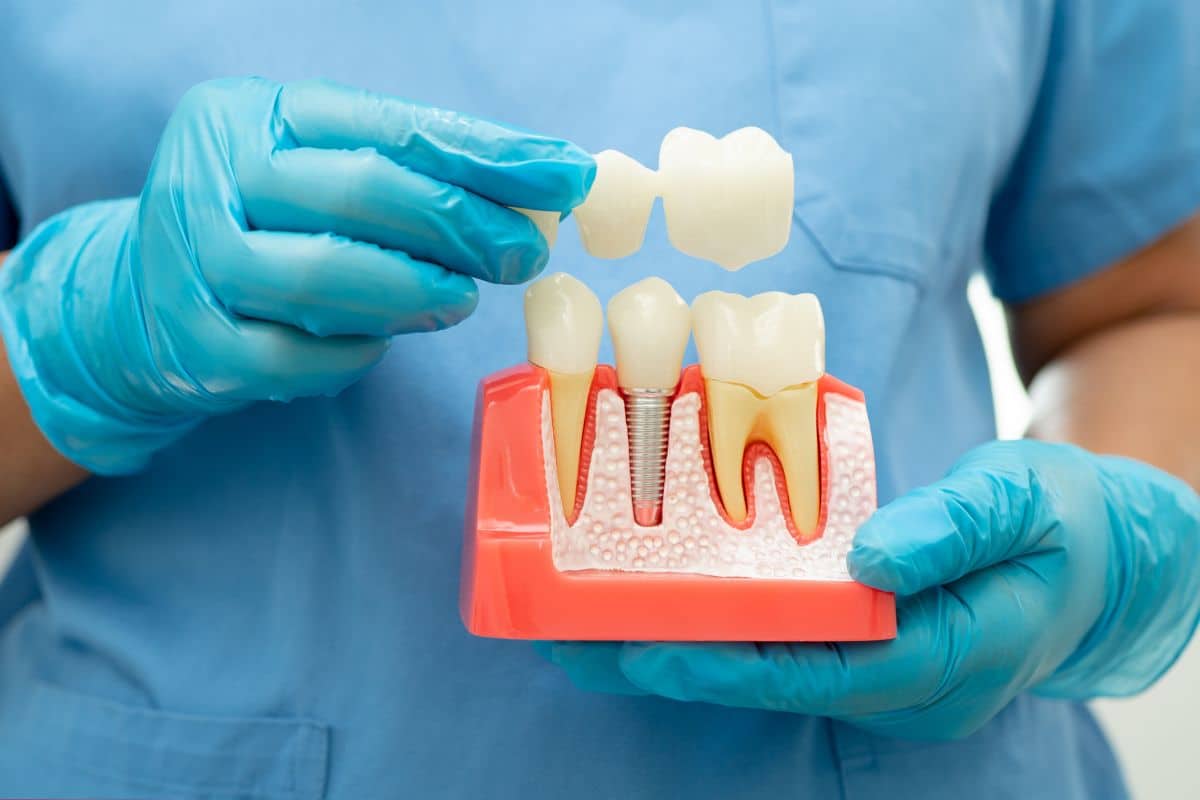
Implants fail primarily due to a loss of bone support caused by peri-implantitis or excessive mechanical stress that breaks the bond between titanium and bone. Peri-implantitis is an inflammatory bacterial condition that destroys soft tissue and jawbone around the post. Mechanical failures occur when chronic pressure overpowers the surrounding structural foundation.
According to clinical registry data archived by the National Institutes of Health (NIH), dental implants exhibit an impressive long-term success rate between 95% and 98%. However, that high survival rate depends entirely on proper osseointegration, the biological process where living jawbone fuses directly to the titanium surface. When biological or physical disruptions intervene, this crucial bond deteriorates.
Biological failure is almost always rooted in bacterial accumulation. When plaque builds up along the gumline, it triggers peri-implant mucositis, an early reversible inflammation of the soft tissue. Left untreated, it advances to peri-implantitis, where deep bacterial pockets erode the underlying jawbone, causing the implant post to loosen.
Mechanical failure, on the other hand, stems from heavy force distribution. Unlike natural teeth, which are suspended by a flexible periodontal ligament that acts as a shock absorber, implants anchor directly into the bone. Any unyielding physical force transfers straight into the jawbone structure, risking micro-fractures, screw loosening, or prosthetic chipping.
| Threat Category | Underlying Cause | Primary Clinical Outcome | Preventative Strategy |
| Biological | Bacterial plaque buildup around the collar | Peri-implantitis and bone resorption | Interdental cleaning and routine professional hygiene |
| Mechanical | Chronic clenching, grinding, or biting hard objects | Screw loosening, porcelain fracture, or bone loss | Custom nightguards and behavioral awareness |
| Chemical/Systemic | Nicotine microvascular constriction and dry mouth | Delayed healing and compromised osseointegration | Tobacco cessation and hydration protocols |
Which Daily Habits Damage Dental Implants the Most?
The daily habits that damage implants most severely are nocturnal teeth grinding (bruxism), tobacco use, chewing on non-food items, and inconsistent interdental flossing. Bruxism exerts extreme mechanical pressure, while smoking limits oxygenated blood flow necessary for tissue health. Hard objects cause porcelain fracturing, and skipped flossing allows destructive peri-implant bacteria to flourish.
Chronic Teeth Grinding and Jaw Clenching (Bruxism)
Involuntary clenching or nocturnal grinding places immense lateral pressure on the implant crown and abutment. Because implants lack periodontal ligaments, they cannot cushion these intense forces. Over time, untreated bruxism leads to crestal bone loss, screw loosening, or sudden porcelain fracturing.
Smoking, Vaping, and Tobacco Use
Nicotine severely constricts mucosal blood vessels, drastically limiting oxygen and vital nutrient delivery to the surrounding soft tissues. This impaired circulation slows down bone healing, hampers immune response against oral bacteria, and significantly elevates the risk of early and late implant loss.
Crunching Ice and Hard Objects
Chewing on hard materials like ice cubes, unpopped popcorn kernels, hard candy, or pen caps creates point-load impact stress. While titanium posts are exceptionally strong, the custom ceramic or zirconia crowns attached to them can chip or crack under intense sudden pressure.
Using Your Teeth as Tools
Opening plastic packages, tearing tape, or biting fingernails forces the jaw into unnatural twisting motions. This lateral shear stress destabilizes the prosthetic componentry and pulls against the delicate mucosal seal holding bacteria out of the bone site.
Neglecting Daily Interdental Flossing
Skipping interdental brushes or specialized implant floss allows sticky bacterial biofilms to harden into calculus around the abutment collar. Once calculus forms, home brushing cannot remove it, creating a permanent breeding ground for destructive peri-implant pathogens.
Investing in high-quality dental implants in Niagara Falls requires matching expert surgical placement with diligent personal maintenance to protect your smile for a lifetime.
How Do Local Environment and Lifestyle Affect Implants?
Local environmental conditions and dietary habits affect implants by triggering involuntary jaw muscle strain and encouraging frequent consumption of sticky or crunchy foods. Cold weather causes habitual jaw clenching, while popular hard delicacies increase the risk of physical crown damage.
Living near the Niagara River and experiencing severe winter weather around Niagara Falls can indirectly influence your oral health. During freezing winter months, walking through chilly wind conditions along Whirlpool State Park or the Gorge trails often causes individuals to instinctively hold tight tension in their facial muscles and clench their teeth together. This repetitive, cold-induced muscle stress multiplies jaw fatigue and exacerbates bruxism, transferring harmful force onto implant restorations.
Local culinary choices also play a subtle role in prosthetic wear. Enjoying regional favorites around local eateries, whether crunching on crisp artisan pizza crusts, snacking on firm sponge candy from historic sweet shops, or biting into tough meats at classic dining spots, requires strong masticatory force. While you never need to give up your favorite foods, biting directly into dense or hard foods with your front implant crowns can shear ceramic margins. Splitting hard foods into smaller bites before chewing preserves your restoration’s integrity.
Choosing experienced providers for dental implants in Niagara Falls ensures your prosthetic treatment plan accounts for your specific lifestyle, bite alignment, and long-term habits.
How Can You Properly Protect Your Implants?
You can protect your implants by maintaining meticulous oral hygiene, wearing a custom nightguard, avoiding hard non-food items, and scheduling routine professional cleanings. Consistent maintenance stops plaque accumulation and distributes bite force evenly across your jaw.
Maintaining a long-lasting restoration involves straightforward, daily preventative care:
- Brush with a Soft-Bristled Toothbrush: Clean twice daily using non-abrasive toothpaste to avoid scratching the surface of metallic abutments or ceramic crowns.
- Utilize Interdental Cleaning Tools: Incorporate water flossers, rubber-tipped stimulators, or specialized implant floss to clean thoroughly around the base of every post.
- Wear a Custom-Fitted Nightguard: If you show signs of nocturnal clenching or stress-related grinding, a custom mouthguard cushions heavy forces and protects both natural teeth and restorations.
- Stay Hydrated: Drink plenty of water throughout the day to support healthy saliva production, which naturally washes away lingering food particles and neutralizes oral acids.
- Schedule Routine Dental Checks: Regular checkups allow clinicians to evaluate bone density using low-radiation digital imaging and clear away subgingival calculus before inflammation develops.
Protect Your Investment with Professional Care
Your implanted tooth represents a life-changing investment in your oral health, nutrition, and personal confidence. By recognizing and eliminating destructive habits, such as biting hard items, smoking, clenching, and neglecting interdental cleaning, you set the foundation for a lifetime of healthy, trouble-free smiles.
When you need focused preventative care or a detailed prosthetic evaluation, visit our dental office for dedicated, patient-centered attention. Every smile possesses unique anatomical considerations, bite forces, and bone geometry that require tailored clinical management. To keep your smile in optimal condition or discuss tailored treatment options, please book an appointment for a diagnostic evaluation with our team today.
Frequently Asked Questions
Can smoking cause dental implant failure after several years?
Yes, smoking causes late dental implant failure by constricting blood flow to surrounding gums. This chronic chemical irritation increases your vulnerability to deep peri-implant bacterial infections and progressive bone loss.
Will grinding my teeth at night ruin my dental implant?
Uncontrolled night grinding places severe lateral forces on dental implants. Over time, this intense pressure causes porcelain crown chipping, abutment screw loosening, or loss of supporting jawbone density.
Is flossing around a dental implant really necessary every day?
Yes, daily interdental flossing around dental implants is vital to remove harmful plaque. Neglecting this space allows bacteria to gather, leading to peri-implantitis and bone loss around the post.
What foods should I avoid with dental implants?
Avoid biting directly into hard ice cubes, unpopped popcorn kernels, tough hard candy, and extremely sticky sweets. These dense foods can chip ceramic crowns or loosen prosthetic componentry during chewing.
Can a damaged dental implant crown be replaced easily?
Yes, a chipped or worn dental implant crown can usually be replaced without removing the underlying titanium post. Your dentist simply unscrews or decements the old crown and attaches a new one.
How do I know if my dental implant is damaged?
Signs of a damaged dental implant include visible crown cracks, noticeable mobility, localized gum swelling, bleeding during brushing, or persistent pain when chewing. Prompt professional examination prevents further complications.
How often should I get my dental implants professionally cleaned?
You should have your dental implants professionally cleaned every six months during routine preventive checkups. Specialized hygienists use non-scratching instruments to clear away hardened calculus without scratching the implant restoration.